After flooding, preventing mold isn’t just about cleanliness; it’s about protecting your health and property. Mold can thrive in damp environments, leading to respiratory issues and costly structural damage. You need to act quickly to mitigate these risks. Understanding the signs of mold growth and implementing effective moisture control strategies is essential. What are the immediate steps you should take to safeguard your home and health?
Key Takeaways
- Preventing mold is crucial to avoid health hazards like allergies and respiratory issues, especially for vulnerable populations.
- Prolonged moisture can cause structural damage, increasing repair costs and compromising safety.
- Swift water removal and thorough drying are essential to inhibit mold growth in hidden areas.
- Long-term prevention strategies, such as using dehumidifiers and mold-resistant materials, ensure lasting protection.
- Proper documentation and community resources can aid recovery and streamline insurance claims after flooding.
Signs of Mold Growth: What to Look For Post-Flood?
After a flood, how can you tell if mold is starting to take hold in your home?
Start with mold detection methods like checking for musty odors, which often signal hidden growth.
Use visual inspection techniques to examine damp areas, especially in basements, behind walls, and around windows.
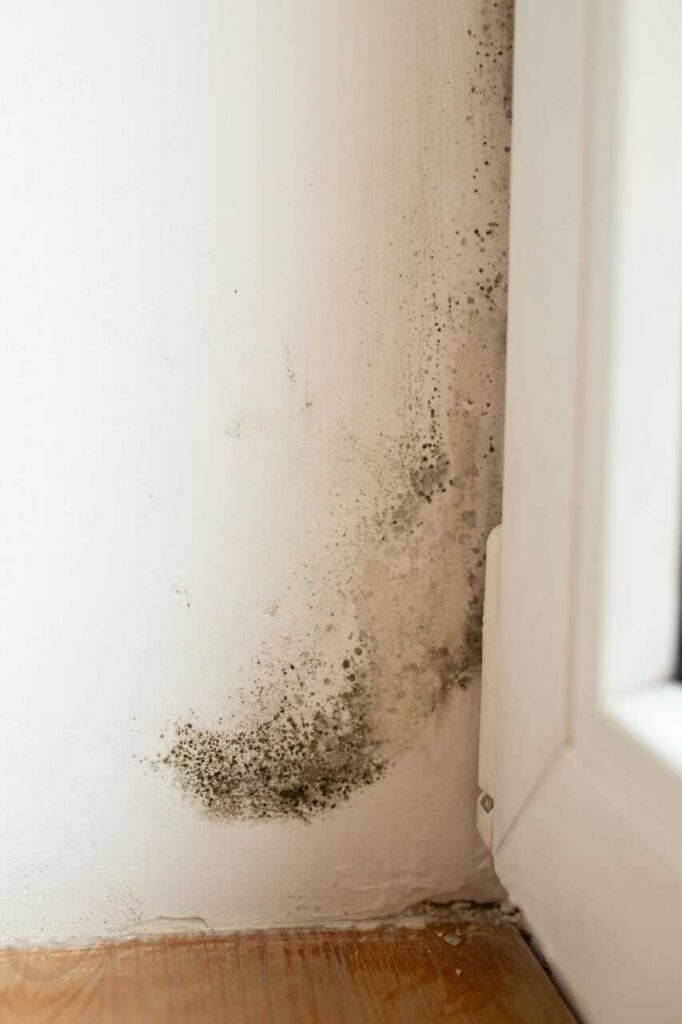
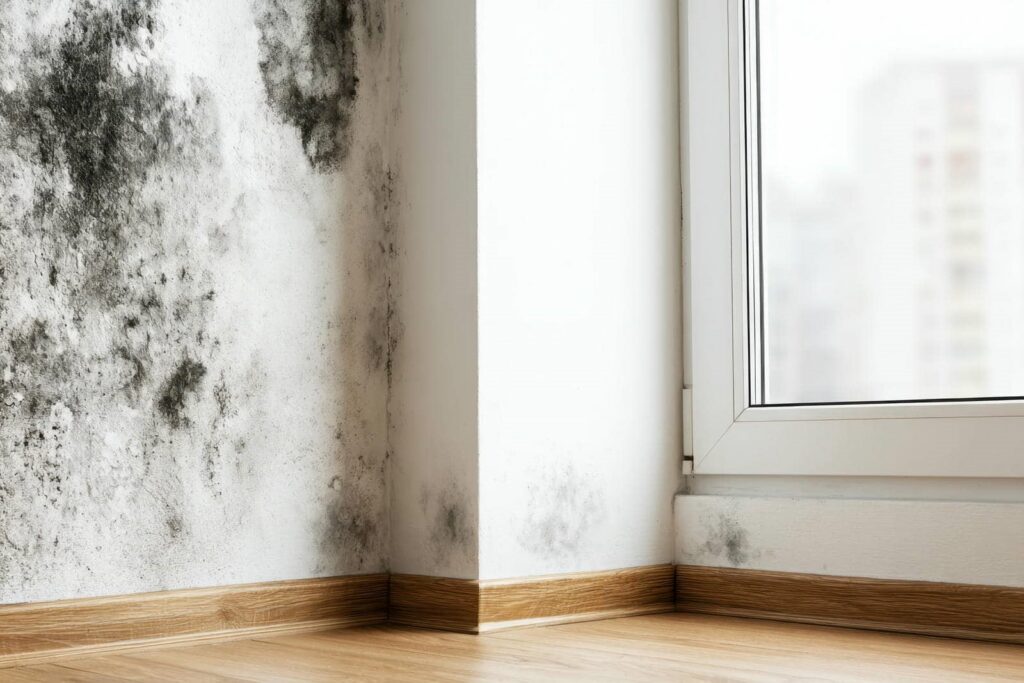
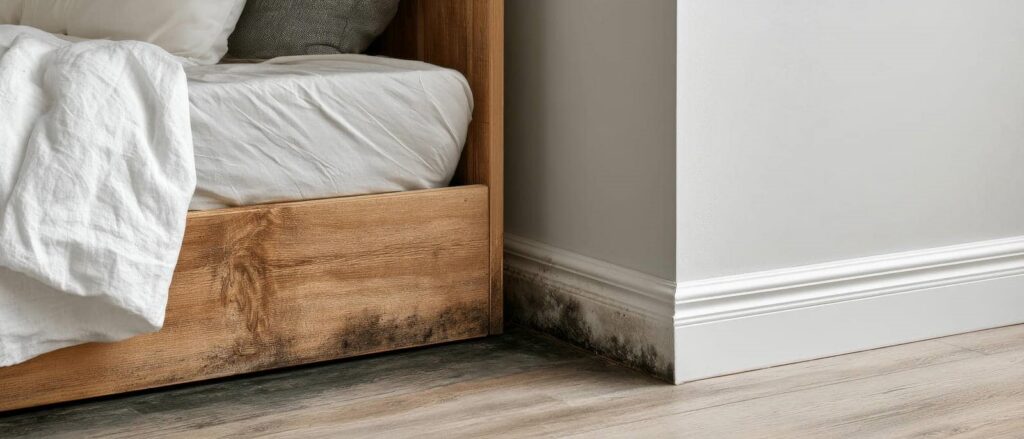
Look for dark spots or discoloration on surfaces; these can indicate mold colonies.
Pay attention to any peeling paint or warped materials, as these often hint at moisture retention.
Don’t forget to assess your belongings—furniture and fabrics can harbor mold if left wet.
Understanding the Risks of Mold After Flooding
After flooding, mold poses serious health hazards and can compromise your home’s structure.
It’s essential to understand that mold spores can trigger allergies and respiratory issues, while unchecked growth can weaken walls and foundations.
Health Hazards Of Mold
Mold poses significant health risks, especially in the wake of flooding, where moisture creates an ideal breeding ground.
When you’re exposed to mold, you could face serious respiratory issues, including asthma, coughing, and allergic reactions. These effects can be especially concerning for children, the elderly, or anyone with pre-existing conditions.
To protect yourself and your loved ones, it’s vital to act quickly. Remove any water-damaged materials and ensure proper ventilation in your home.
If mold develops, don’t hesitate to seek professional help. Recognizing the dangers of mold exposure safeguards your health and fosters a sense of community, as you’re taking proactive steps for yourself and those around you.
Together, we can create safer living environments.
Structural Damage Risks
Flooding doesn’t just threaten your health; it can also lead to severe structural damage. When flood water seeps into your home, it compromises the structural integrity of your property.
Mold growth exacerbates these risks, weakening materials and leading to costly repairs.
Wood rot: Prolonged moisture can cause wooden structures to decay, making them unsafe.
Foundation issues: Water can erode soil, destabilizing the foundation and causing cracks.
Drywall deterioration: Mold-infested drywall can crumble, posing safety hazards.
Immediate Steps to Remove Water Quickly
Act swiftly to remove standing water in your home, as time is critical in preventing mold growth.
Start with water extraction methods, using pumps or wet vacuums to eliminate as much water as possible. Every minute counts; the longer water sits, the greater the risk of mold.
After initial removal, focus on moisture control. Open windows and doors to promote airflow and use fans to circulate air effectively.
Check hidden areas like under floorboards and in walls, as trapped moisture can lead to mold development.
Don’t forget to remove soaked materials—carpets, furniture, or drywall—if they can’t be dried quickly.
Techniques for Drying Your Home Effectively
To effectively dry your home after a flood, you need to focus on enhancing air circulation and using dehumidifiers properly.
Increasing airflow helps moisture evaporate faster, while a dehumidifier removes excess humidity from the air.
Together, these techniques can greatly reduce the risk of mold growth in your space.
Air Circulation Techniques
After flooding, effective air circulation is essential for drying out your home and preventing mold growth.
Proper airflow management and the use of ventilation systems can greatly speed up the drying process. Here are some techniques to enhance air circulation:
Open windows and doors to create cross-ventilation, allowing fresh air to flow in and humidity to escape.
Use fans strategically to direct airflow toward damp areas, helping to evaporate moisture quickly.
Keep interior doors open to promote air movement throughout the space, reducing stagnant air pockets.
Dehumidifier Usage Tips
Using a dehumidifier can markedly speed up the drying process in your home after flooding. To maximize its effectiveness, focus on proper dehumidifier placement. Position the unit in the most affected areas, ideally near walls and corners where moisture tends to accumulate.
Make sure air can circulate freely around the device for peak performance.
Set your dehumidifier to the best settings, typically between 30-60% humidity. This range helps prevent mold growth while efficiently removing moisture.
Regularly check the water reservoir to avoid overflow, and consider running the unit continuously for the first few days.
Best Cleaning Products for Mold Prevention After Flooding
When you’re dealing with the aftermath of flooding, selecting the right cleaning products is essential for effective mold prevention.
Using eco-friendly solutions protects your health and supports the environment. Here are some essential tools you should consider:
White vinegar: A natural disinfectant, it can kill mold species.
Baking soda: This versatile product absorbs moisture and neutralizes odors, making it a great addition to your cleaning routine.
Hydrogen peroxide: This non-toxic solution effectively kills mold and mildew on various surfaces.
When to Call in Professionals for Severe Mold Issues?
While you might tackle minor mold problems on your own, knowing when to call in professionals is vital for severe issues. If you notice extensive mold growth—covering large areas or affecting multiple rooms—it’s time for a professional assessment.
Mold can spread rapidly, and improper handling can worsen the problem. Professionals specialize in mold remediation, ensuring that all spores are removed and preventing future growth.
Additionally, if you experience persistent health issues like respiratory problems or allergies, seeking expert help is imperative. You deserve a safe and healthy environment, and professionals have the tools and knowledge to restore your space effectively.
Don’t hesitate to reach out; your home and well-being matter.
Long-Term Mold Prevention Strategies in Flood-Prone Areas
To effectively prevent mold growth in flood-prone areas, it’s essential to implement proactive strategies before a disaster strikes.
Start by ensuring proper moisture control and ventilation techniques to keep indoor environments dry and air circulating.
Here are some key strategies to contemplate:
- Install dehumidifiers to reduce humidity levels.
- Use exhaust fans in kitchens and bathrooms to enhance air circulation.
- Seal cracks and gaps in your home’s foundation to prevent water intrusion.
How to Maintain a Mold-Free Environment After Restoration
After restoring your home following a flood, maintaining a mold-free environment is essential for your health and safety.
Start by using mold-resistant materials during any repairs. These materials not only help prevent mold growth but also contribute to a healthier living space.
Verify your ventilation systems are functioning effectively; proper airflow reduces moisture buildup, a key factor in mold development.
Regularly check areas prone to dampness, like basements and bathrooms, and consider using dehumidifiers to manage humidity levels.
Keep an eye out for leaks and address them immediately.
Common Mistakes to Avoid When Dealing With Flood Damage
When dealing with flood damage, overlooking critical steps can lead to significant long-term issues, including mold growth and structural damage.
To protect your home and health, be mindful of these common mistakes:
Neglecting to document damage: Take photos and notes for your insurance claims. This helps ensure you get the coverage you deserve.
Skipping community resources: Local organizations often provide valuable assistance, from clean-up supplies to expert advice.
Rushing the drying process: Quick fixes can backfire. Confirm everything is thoroughly dried to prevent mold.
Frequently Asked Questions
How Long Does Mold Take to Develop After Flooding?
Mold can develop within 24 to 48 hours after flooding. During flood recovery, focus on mold prevention by drying out affected areas quickly and removing wet materials to protect your home and health.
Can Mold Grow in Hidden Areas Like Walls and Ceilings?
Yes, mold can grow in hidden areas like walls and ceilings. You should conduct a thorough wall inspection for hidden moisture, as it creates an ideal environment for mold proliferation. Staying proactive helps protect your space.
What Are the Health Effects of Mold Exposure?
Mold exposure can trigger mold symptoms like sneezing, coughing, and skin irritation. You might also experience allergic reactions, which can worsen over time, affecting your health and well-being. Staying vigilant helps prevent these issues.
Is It Safe to Stay in a Home With Mold?
It’s not safe to stay in a home with mold. Certain mold types can harm your health. Prioritize mold prevention strategies like proper ventilation and moisture control to protect yourself and your loved ones.
How Can I Tell if Mold Is Completely Removed?
Imagine a gardener evaluating a once-overgrown patch. You’ll know mold’s gone by using mold inspection techniques like air sampling and visual checks, alongside effective mold removal methods. Trust your senses, and make certain the air feels fresh.
Conclusion
Preventing mold after flooding isn’t just about cleaning up; it’s about protecting your health and home. Have you considered the long-term consequences of neglecting moisture control? By taking immediate action and implementing effective strategies, you can safeguard your property and well-being. Don’t wait for mold to take hold—be proactive and keep your environment safe and healthy. Remember, the effort you invest now can save you time, money, and headaches in the future.