
Like a hidden tide, flood sewage poses serious health risks that can silently infiltrate your home and well-being. Contaminated water can carry harmful pathogens, which increase the potential for illness through various forms of exposure. Understanding these dangers is vital, especially for vulnerable populations. As you consider the implications of flood cleanup, it’s important to recognize the symptoms and protective measures that can safeguard your health. What steps will you take to protect yourself?
Key Takeaways
- Floodwaters can contain harmful pathogens like E. coli and Salmonella, posing serious health risks during cleanup efforts.
- Exposure routes include ingestion, inhalation, and skin contact, making protective gear essential for safety.
- Vulnerable populations, such as children and the elderly, face increased health risks from sewage contamination.
- Symptoms to monitor post-exposure include gastrointestinal distress, respiratory issues, and skin irritations, necessitating prompt medical attention.
- Long-term health effects may include chronic illnesses and mental health challenges, highlighting the need for community support and counseling.
Identify Flood Sewage Contamination Risks
When floodwaters rise, they often mix with sewage, creating a hazardous environment that poses serious health risks. You should be aware of common flood sewage sources, such as overflowing sewage systems, septic tank failures, and agricultural runoff.
These contaminants can introduce harmful bacteria and toxins into your surroundings, increasing the risk of illness. To protect yourself and your community, contamination prevention is essential. This includes keeping children and pets away from flood-affected areas, using proper protective gear during cleanup, and ensuring safe drinking water supplies.
Recognize Common Pathogens in Flood Sewage
Flood sewage can harbor a variety of pathogens that pose significant health risks. Understanding pathogen identification is essential for ensuring sewage safety.
Common pathogens you might encounter include:
- E. coli: Often linked to gastrointestinal illness.
- Salmonella: Can cause severe food poisoning.
- Hepatitis A: A viral infection affecting the liver.
- Giardia: A protozoan that leads to digestive issues.
Recognizing these pathogens helps you assess potential hazards during cleanup.
When exposed, you increase your risk of infection, making it imperative to prioritize safety measures. Always wear protective gear, and consider proper sanitation techniques.
Understand How Exposure Affects Your Health
Exposure to flood sewage can significantly impact your health, as harmful pathogens enter the body through various routes, including ingestion, inhalation, or skin contact.
The health risks you face depend on exposure duration and contamination sources, which can vary widely in flooded areas. Vulnerable populations, like children and the elderly, may experience more severe effects due to their developing or weakened immune response.
Environmental factors, such as temperature and humidity, can also influence pathogen survival.
To mitigate these risks, employing preventive measures—like wearing protective gear and ensuring proper sanitation—is essential.
Recovery strategies, including seeking medical advice and monitoring your health, can help you navigate the aftermath of sewage exposure effectively.
Prioritize your well-being and stay informed.
Key Health Symptoms to Monitor Post Sewage Exposure
Monitoring your health after exposure to sewage is essential, as various symptoms can manifest within days or even weeks. Effective symptom monitoring can help you identify potential health issues early on.
Pay close attention to the following symptoms:
- Gastrointestinal distress: Nausea, vomiting, or diarrhea
- Respiratory issues: Coughing, wheezing, or shortness of breath
- Skin irritations: Rashes, redness, or itching
- Fever and fatigue: Unexplained tiredness or elevated body temperature
Conducting a thorough exposure evaluation allows you to take proactive measures.
If you notice any of these symptoms, seek medical advice promptly. Remember, your health is a priority, and being vigilant can make a significant difference in your recovery.
Essential Protective Gear for Sewage Cleanup
After experiencing symptoms related to sewage exposure, it’s essential to prioritize your safety during cleanup efforts. Start with protective clothing, like waterproof gloves and boots, to shield against direct contact with contaminated materials.
Safety equipment, including goggles and face masks, provides important respiratory protection, minimizing the risk of inhaling harmful pathogens or chemical exposure. Conduct a thorough risk assessment to determine the necessary level of protection based on the severity of contamination.
Personal hygiene is critical; wash your hands frequently and consider using disinfectants after handling contaminated items. Follow strict decontamination procedures to prevent infection.
Step-by-Step Guide to Safe Sewage Cleanup
While addressing sewage cleanup may seem challenging, following a structured approach can greatly reduce health risks and secure safety.
Here’s a step-by-step guide to help you navigate the process effectively:
Wear protective gear: Confirm you have gloves, masks, and boots.
Contain the area: Seal off the affected zones to prevent cross-contamination.
Follow safety protocols: Use disinfectants and proper cleanup techniques to neutralize pathogens.
Dispose of waste properly: Follow local guidelines for hazardous waste disposal.
When to Seek Professional Help for Cleanup?
When should you consider calling in professionals for sewage cleanup? If you’re facing extensive damage, it’s vital to seek a professional assessment. They can accurately gauge the severity of contamination and ensure safety.
If sewage has infiltrated your home more than a few inches, or if you notice persistent odors or health symptoms, it’s time to act. Professionals can also help create a realistic cleanup timeline, minimizing the risk of long-term damage.
Additionally, if you’re unsure about handling hazardous materials or lack the right equipment, don’t hesitate to enlist expert help. Protecting your health and property should always come first, and professionals bring the expertise needed to restore your home safely and effectively.
Long-Term Health Effects of Flooding
Flooding can lead to serious long-term health effects, even after the immediate cleanup is complete. You may encounter persistent health risks that require attention and awareness.
Consider the following potential issues:
- Chronic illnesses like asthma and allergies
- Waterborne diseases due to contaminated water
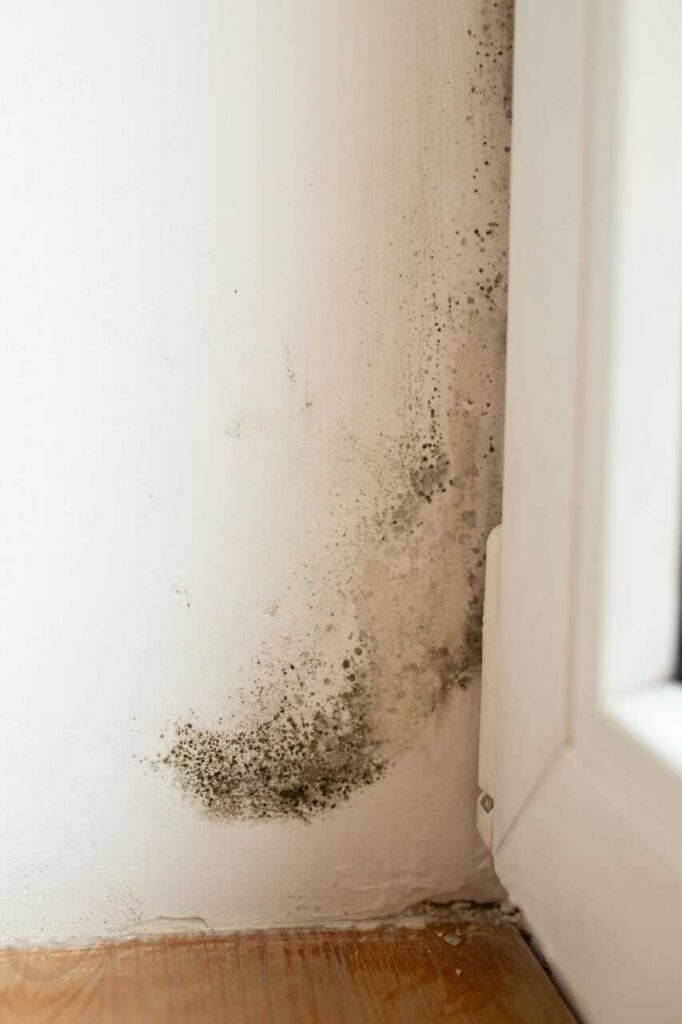
- Respiratory issues from mold exposure
- Skin infections from direct contact with sewage
These complications can affect not just individuals but entire communities, emphasizing the need for robust sanitation practices and community preparedness.
The environmental impact of flooding can linger, influencing long-term recovery efforts. Building mental resilience is essential as you navigate these challenges, ensuring you remain informed and proactive in maintaining your health after a flood.
How Flood Sewage Exposure Affects Your Mental Health
Exposure to flood sewage can lead to significant emotional trauma and stress, impacting your overall mental health.
You may find yourself facing increased risks of anxiety and depression as you process the experience.
Understanding effective coping mechanisms and seeking support are essential steps in managing these challenges.
Emotional Trauma and Stress
Emotional distress often lingers long after the floodwaters recede, leaving individuals grappling with the psychological fallout of sewage exposure. You might find yourself facing challenges that require emotional resilience and effective stress management.
Here are some common issues to reflect on:
- Heightened anxiety or tension
- Difficulty concentrating or making decisions
- Increased feelings of isolation or loneliness
- Sleep disturbances or fatigue
Recognizing these symptoms is essential for your mental well-being. Engaging in community support and seeking professional help can foster a sense of belonging and assist you in maneuvering through these emotional hurdles.
Prioritizing self-care and connecting with others can greatly enhance your ability to cope and rebuild your emotional strength in the aftermath of such traumatic experiences.
Anxiety and Depression Risks
After a flood, the aftermath can trigger significant anxiety and depression, particularly when sewage contamination is involved. Exposure to contaminated environments can heighten anxiety triggers, leading to overwhelming feelings of fear and uncertainty.
This trauma response affects physical health and emotional resilience, making effective depression management essential. Implementing stress relief techniques becomes important; practicing mindfulness or engaging in community support systems can provide necessary comfort.
By developing coping strategies, you can navigate these challenges more effectively. Mental health awareness during this time encourages open conversations about feelings, fostering a sense of belonging.
Addressing your mental health needs is just as critical as physical recovery, ensuring a holistic approach to healing in the wake of disaster.
Coping Mechanisms and Support
Coping with the aftermath of a flood, especially when sewage is involved, can greatly affect your mental health. You might experience heightened stress and anxiety, making emotional resilience essential.
Here are some coping strategies that can help:
- Mindfulness techniques: Practice deep breathing or meditation to ground yourself.
- Stress management: Engage in physical activities to release tension.
- Peer support: Connect with others who’ve faced similar challenges; sharing experiences can be comforting.
- Community engagement: Participate in local recovery efforts to foster a sense of belonging.
Utilizing these support networks can aid in trauma recovery, allowing you to navigate this difficult time more effectively.
Resources for Post-Flood Health Support
After a flood, accessing local health services is essential for addressing both physical and mental health needs.
You can benefit from mental health resources that offer counseling and support tailored to flood-related stress.
Community support groups also provide an important network for sharing experiences and rebuilding resilience.
Local Health Services
How can you access essential health services after a flood? Reaching out to local health initiatives and community outreach programs can provide the support you need.
Here are some resources to evaluate:
Local health clinics: Many offer free or low-cost services for flood-affected individuals.
Emergency hotlines: These can connect you with immediate medical assistance.
Community health fairs: Often organized post-flood, these events provide screenings and health education.
Home visit programs: Some local health agencies send professionals to assess and address health concerns directly.
Mental Health Resources
While maneuvering through the aftermath of a flood, addressing mental health is just as essential as tackling physical health concerns. The emotional toll can be overwhelming, and seeking trauma counseling is a vital step.
Professional support can help you process feelings of grief, anger, and anxiety that often arise during such crises.
In addition to counseling, effective stress management techniques can greatly improve your well-being. Practices like mindfulness, deep breathing exercises, and physical activity can help alleviate anxiety and restore a sense of control.
Don’t hesitate to reach out to local mental health resources; they can guide you in steering through your emotions.
Community Support Groups
Community support groups play an essential role in helping individuals recover from the emotional and physical aftermath of flooding.
These groups foster community engagement and build emotional resilience through shared experiences. They connect you with others facing similar challenges and provide crucial resources.
Volunteer opportunities: Get involved in local cleanup efforts.
Outreach programs: Access mental health services tailored to flood recovery.
Resource sharing: Learn about available aid and support.
Local partnerships: Collaborate with organizations to strengthen community ties.
Frequently Asked Questions
What Types of Insurance Cover Flood Sewage Cleanup Costs?
Flood insurance typically covers cleanup costs related to sewage damage, but you should check your specific policy for details. Some homeowners’ insurance might also provide cleanup coverage, depending on your plan and local regulations.
How Can I Prevent Mold Growth After Flood Sewage Exposure?
To prevent mold growth after flood sewage exposure, use effective mold prevention strategies like thorough cleaning and safe drying techniques. Ensure proper ventilation, maintain low humidity, and promptly address any hidden moisture to protect your space.
Are Pets at Risk From Flood Sewage Contamination?
Yes, pets are at risk from flood sewage contamination. Watch for signs like vomiting or lethargy. Ensure their safety by keeping them away from affected areas and consulting a vet if you notice any concerning symptoms.
What Should I Do With Contaminated Personal Belongings?
When faced with contaminated belongings, treat them like fragile seeds. Discard contaminated clothing, using personal protective equipment for safety. Salvage what you can, ensuring to clean or properly dispose of items to protect your health.
How Can I Safely Dispose of Sewage Waste?
To safely dispose of sewage waste, follow local regulations for sewage safety. Use approved disposal methods, like contacting waste management services, and ensure proper protective gear is worn to minimize exposure and health risks.
Conclusion
Steering through the dangers of flood sewage cleanup demands vigilance and proper precautions. Are you prepared to protect your health amid the chaos? By understanding the risks, recognizing symptoms, and utilizing essential protective gear, you can minimize potential harm. Don’t overlook the importance of seeking professional help when needed, as your well-being is paramount. Remember, the aftermath of flooding isn’t just about physical cleanup; it’s about safeguarding your health for the long haul.