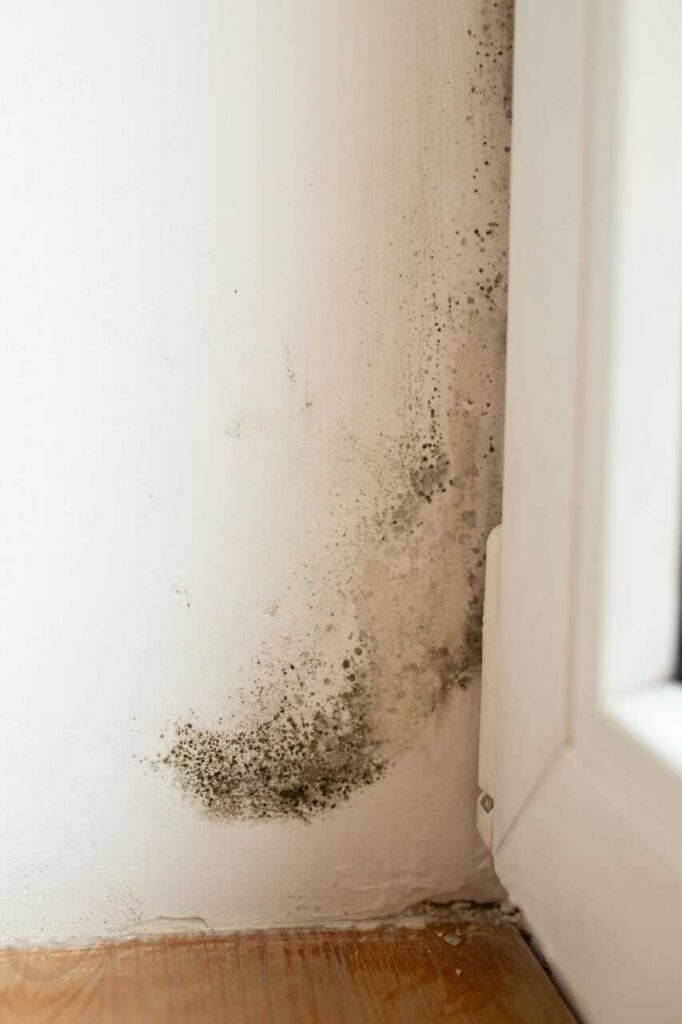

Sewage cleanup after flooding is fraught with dangers that can seriously impact your health. When floodwaters recede, they leave behind contaminated water filled with harmful pathogens and toxic chemicals. Exposure to these hazards can lead to infections and long-term health issues, especially for vulnerable groups. Understanding these risks is essential for anyone involved in cleanup efforts. So, what specific health threats should you be aware of, and how can you protect yourself effectively?
Key Takeaways
- Sewage cleanup exposes individuals to harmful pathogens, increasing the risk of illnesses like gastroenteritis and hepatitis A.
- Contaminated floodwaters can contain toxic chemicals that lead to respiratory issues and skin irritations.
- Mold and fungi proliferate rapidly in damp conditions, posing serious respiratory health risks if disturbed during cleanup.
- Improper handling of sewage materials heightens the risk of physical injuries and further contamination.
- Lack of protective gear can lead to direct exposure to biological hazards, increasing health risks significantly.
Why Sewage Cleanup Is Critical for Health
When flooding occurs, the urgency of sewage cleanup can’t be overstated. Neglecting this task can lead to serious health risks, not just for you but for your entire community.
By implementing preventive measures, you can greatly reduce the impact of sewage exposure. For instance, knowing when to elevate electrical systems or seal basement drains can help mitigate damage.
Community awareness plays an essential role in mobilizing resources and educating residents about safe practices. Encourage your neighbors to stay informed and prepared; this collective vigilance fosters a safer environment for everyone.
When you prioritize sewage cleanup, you’re not just protecting your health—you’re also contributing to the well-being of your community as a whole.
Understanding the Health Risks of Sewage Cleanup
When you engage in sewage cleanup after flooding, you’re facing significant health risks.
Contaminated water often harbors pathogens that can lead to serious illnesses, while chemical hazards may also pose threats to your safety.
Understanding these risks is essential for protecting yourself and ensuring effective cleanup.
Pathogens in Contaminated Water
Although flooding can lead to significant property damage, the health risks associated with contaminated water are often more severe. When you’re exposed to sewage, you face the threat of pathogen transmission, which can result in serious waterborne diseases.
Bacteria, viruses, and parasites thrive in this environment, making even minor contact dangerous. Common illnesses include gastroenteritis and hepatitis A, which can manifest with debilitating symptoms.
It’s essential to recognize that these pathogens can enter your body through ingestion, inhalation, or skin contact. Proper protective gear and immediate cleanup are imperative to minimize these health risks.
Understanding these dangers helps foster a sense of community responsibility; you’re protecting yourself and those around you.
Chemical Hazards Present
Sewage cleanup exposes you to various chemical hazards that can pose serious health risks. During this process, you may encounter hazardous materials, including industrial chemicals, cleaning agents, and heavy metals.
These substances can lead to chemical exposure, resulting in respiratory issues, skin irritations, or long-term health problems. Even seemingly harmless detergents can become toxic when mixed with sewage.
It’s vital to understand that improper handling can heighten these risks. Wearing appropriate protective gear, like gloves and masks, is essential to mitigate exposure.
Knowing the potential dangers helps you make informed decisions during cleanup, ensuring your safety and that of those around you. Stay aware and be proactive to protect yourself from these hidden threats.
Health Hazards of Contaminated Water in Sewage
Contaminated water poses significant health hazards, especially following flooding events that can overwhelm sewage systems.
When you come into contact with this water, you’re at risk of exposure to sewage pathogens, which can lead to serious health issues. These pathogens include bacteria, viruses, and parasites that thrive in unsanitary conditions.
Even minor exposure through skin contact or inhalation can result in infections or gastrointestinal illnesses. If you ingest contaminated water, the risks increase dramatically, potentially leading to severe dehydration or long-term health complications.
Understanding these dangers emphasizes the importance of proper protective measures during cleanup. It’s vital to prioritize your safety and that of your community by avoiding direct contact with contaminated water whenever possible.
Common Pathogens in Sewage Cleanup After Flooding
In sewage cleanup after flooding, you’re likely to encounter a range of pathogens, including bacteria and viruses that pose serious health risks.
Fungi and mold can also proliferate in damp environments, adding to the hazards.
Additionally, chemical contaminants may lurk in the debris, complicating the cleanup process and requiring careful handling.
Bacteria and Viruses
When floodwaters recede, the hidden dangers of bacteria and viruses lurking in sewage become a stark reality.
You’ll encounter a variety of pathogens that pose serious health risks. Bacterial growth can surge in contaminated water, leading to infections like E. coli and Salmonella. These bacteria thrive in warm, nutrient-rich environments, making flooded areas particularly hazardous.
Additionally, viral transmission can occur through contact with sewage, increasing the likelihood of illnesses such as Hepatitis A. It’s essential to understand that even minimal exposure can have significant consequences.
Protecting yourself requires proper gear and swift action during cleanup. By recognizing these dangers, you safeguard your health and contribute to your community’s recovery.
Fungi and Mold
As floodwaters recede, you may not realize that fungi and mold can proliferate rapidly in the damp environment left behind. These organisms pose significant health risks, especially when you’re dealing with sewage cleanup.
Understanding the dangers of fungal growth is vital for your safety. Here are key points to take into account:
Health Risks: Mold exposure can lead to respiratory issues, allergies, and other health problems.
Rapid Proliferation: Ideal conditions for mold growth can develop within 24-48 hours after flooding.
Mold Remediation: Effective cleanup requires thorough removal of contaminated materials and proper ventilation to prevent recurrence.
Taking these steps seriously can safeguard your health and promote a more successful cleanup process.
Chemical Contaminants
Chemical contaminants pose serious health risks during sewage cleanup after flooding, especially since they can contain various pathogens. When you’re exposed to these toxic substances, you increase your risk of infections and other health issues.
Common pathogens found in contaminated water include E. coli, Salmonella, and hepatitis A, all of which can severely impact your health. It’s vital to recognize that chemical exposure can exacerbate existing health conditions or lead to new ones.
Proper protective gear is important to minimize your risk while handling potentially hazardous materials. By understanding these threats, you’re better equipped to protect yourself and your loved ones during the cleanup process.
Prioritizing safety ensures that you can recover your environment without compromising your health.
Health Risks of Sewage Exposure for Vulnerable Groups
Sewage exposure poses significant health risks, particularly for vulnerable groups such as children, the elderly, and individuals with pre-existing health conditions.
These populations face heightened exposure risks that can lead to severe health complications. Understanding these risks is essential for safeguarding your loved ones and community.
Here are three key health concerns:
Infections: Vulnerable populations are more susceptible to bacterial and viral infections from contaminated water.
Gastrointestinal Issues: Exposure can lead to nausea, diarrhea, and other digestive problems, which can be more severe in those with weakened immune systems.
Skin Irritations: Direct contact with sewage can cause rashes and other skin infections, particularly in sensitive individuals.
Recognizing these dangers helps protect those who need it most.
Respiratory Issues Linked to Sewage Cleanup
When you engage in sewage cleanup after flooding, you’re often exposed to various airborne contaminants.
These pollutants can lead to respiratory issues, particularly as mold spores proliferate in damp environments.
Understanding these risks is essential for your health and safety during the cleanup process.
Contaminants in the Air
As you navigate the aftermath of flooding, it’s crucial to recognize that airborne contaminants can pose significant health risks during sewage cleanup.
These contaminants can lead to respiratory issues that affect your well-being and that of others nearby. Here are three key concerns to keep in mind:
Airborne Pathogens: Sewage can release harmful bacteria and viruses into the air, increasing the risk of illness.
Odor Control: Foul odors can indicate the presence of harmful substances that may affect your respiratory system.
Chemical Exposure: Cleaning agents used during the process can also release volatile organic compounds, contributing to indoor air quality issues.
Being aware of these risks allows you to take necessary precautions and protect your health during cleanup efforts.
Mold Spore Exposure
Following flooding, the risk of mold spore exposure greatly increases, especially during sewage cleanup. When you disturb contaminated materials, you can inadvertently release spores into the air, leading to potential respiratory issues.
Spore inhalation can trigger allergies or exacerbate asthma, making it vital to prioritize your safety. Mold remediation is essential in these scenarios; it involves removing visible mold and addressing underlying moisture issues.
Proper protective gear, like masks and gloves, should always be used to minimize exposure during cleanup. If you’re unsure about handling the situation, consider hiring professionals experienced in sewage cleanup and mold remediation.
Your health matters, and taking these precautions can help you stay safe while restoring your space.
Preventing Skin Irritations During Sewage Cleanup
While engaging in sewage cleanup after flooding, it’s essential to take precautions to prevent skin irritations. Skin protection is vital, as exposure to contaminated water can lead to various dermatological issues.
Here are three key steps for irritation prevention:
Wear Protective Gear: Use waterproof gloves, long sleeves, and pants to shield your skin from harmful substances.
Apply Barrier Creams: Consider applying barrier creams before starting cleanup. These can create an additional layer of protection against irritants.
Stay Hydrated and Clean: Keep your skin moisturized and clean. After cleanup, wash your skin thoroughly to remove any contaminants.
The Role of Mold in Sewage-Related Health Risks
After addressing skin protection during sewage cleanup, it’s important to evaluate the potential health risks posed by mold.
When sewage floods your environment, it creates the perfect conditions for mold growth. This can lead to serious health effects, particularly for those with respiratory issues or weakened immune systems.
Breathing in mold spores can trigger allergies, asthma attacks, and even infections. It’s essential to understand that even after the visible signs of mold are removed, spores can linger in the air, posing ongoing risks.
To safeguard your health, you should focus on immediate cleanup and on thorough mold remediation. Taking these risks seriously helps create a safer environment for you and your loved ones.
Why You Need Personal Protective Equipment for Sewage Cleanup
Personal protective equipment (PPE) is essential for anyone involved in sewage cleanup due to the numerous hazards present in contaminated environments.
Using the right protective gear is vital for your personal safety and can greatly reduce health risks.
Here are three key reasons why you need PPE:
Biological Hazards: Sewage often contains bacteria, viruses, and parasites that can lead to serious infections.
Chemical Exposure: Contaminated floodwaters may include harmful chemicals, requiring protective gear to shield your skin and respiratory system.
Physical Injuries: Debris in sewage can cause cuts and bruises; wearing appropriate gear helps prevent these injuries.
When Should You Call Professionals for Sewage Cleanup?
When is it time to call in professionals for sewage cleanup? If you’re dealing with significant flooding, it’s essential to seek a professional assessment.
Standing water can harbor harmful pathogens, and without the right equipment and expertise, you could expose yourself and your loved ones to serious health risks.
If the sewage has infiltrated your home, it’s best to avoid DIY methods and adhere to safety protocols designed to protect you.
Professionals have the necessary tools and understand the nuances of different contaminants.
If you notice persistent odors or observe mold growth, don’t hesitate—calling in experts ensures a thorough cleanup and peace of mind, allowing you to focus on restoring your home.
Frequently Asked Questions
What Are the Long-Term Effects of Sewage Exposure?
Sewage exposure can lead to serious long-term health risks, including respiratory issues and infections. Prolonged microbial growth increases vulnerability to diseases, impacting your well-being and quality of life, making prompt cleanup essential for safety.
How Can I Safely Dispose of Contaminated Materials?
To safely dispose of contaminated materials, you should bag them securely, label them clearly, and follow local disposal methods. Always wear protective gear, and consider professional help to ensure thorough and safe removal.
What Types of Protective Gear Are Most Effective?
For effective protection, wear waterproof gloves, rubber boots, and protective clothing like coveralls. Utilize safety equipment such as respirators and goggles to guard against contaminants, ensuring you stay safe during the cleanup process.
How Can I Identify Sewage Contamination in My Home?
To identify sewage contamination in your home, look for sewage odors, discoloration on walls or floors, and wet spots that persist. These signs often indicate serious issues requiring immediate attention to ensure your safety.
What Should I Do if I Experience Symptoms After Cleanup?
If you experience symptoms after cleanup, prioritize symptom recognition and health monitoring. Document your symptoms, consult a healthcare professional, and follow their advice. Staying informed and connected helps you navigate this challenging situation effectively.
Conclusion
Tackling sewage cleanup after flooding isn’t just a chore; it’s an essential health safeguard. You’re not merely removing debris; you’re fighting a hidden enemy lurking in contaminated waters. The risks—pathogens, respiratory hazards, and mold—can be severe, particularly for vulnerable groups. By prioritizing appropriate protective measures and knowing when to call professionals, you help ensure a safer environment for yourself and others. Remember, a stitch in time saves nine, and prevention is always better than a cure.