
When you face sewage cleanup after flooding, it’s essential to recognize the health risks involved. Contaminated water can expose you to harmful pathogens, leading to serious infections. Additionally, chemicals from household cleaners can irritate your skin and lungs. Mold may thrive in damp areas, exacerbating respiratory issues. Understanding these dangers is important for your safety. What specific infections and long-term effects should you be aware of as you navigate this challenging situation?
Key Takeaways
- Exposure to contaminated water can lead to serious infections like Leptospirosis, Salmonella, and viral diseases such as Hepatitis A.
- Harmful pathogens thrive in flooded environments, increasing the risk of gastrointestinal issues and skin infections from minor cuts.
- Mold growth post-flooding can trigger respiratory problems, including asthma and bronchitis, if not properly managed.
- Chemicals and heavy metals in polluted water pose long-term health risks and may disrupt bodily functions.
- Safe cleanup practices, including protective gear and proper sanitation, are essential to minimize health risks during recovery.
Identifying the Dangers of Sewage Exposure After Flooding
When flooding occurs, the risk of sewage exposure escalates greatly, posing serious health hazards. It’s essential to prioritize sewage safety during such events.
Contaminated water can carry harmful pathogens, increasing your vulnerability to infections and other illnesses. To effectively manage these risks, flood preparedness is key.
Make certain you’ve got protective gear like gloves and boots on hand, and know how to safely navigate flooded areas. Always avoid direct contact with floodwaters, and if you must enter, verify you’ve taken the necessary precautions.
Keep an eye on local advisories for updates on water quality. By staying informed and prepared, you can markedly reduce the dangers associated with sewage exposure after flooding, promoting safety for yourself and your community.
How Contaminated Water Affects Your Health
Contaminated water poses serious health risks that you can’t ignore. Exposure to pathogens can lead to infections, while chemicals in the water may disrupt your bodily systems.
Additionally, mold growth from damp conditions can trigger respiratory issues, compounding the dangers associated with sewage cleanup.
Pathogens In Contaminated Water
Exposure to pathogens in contaminated water can pose serious health risks, as these microorganisms often thrive in environments rich in organic waste.
When you come into contact with such water, you’re at risk for pathogen transmission, leading to various waterborne illnesses. Common pathogens include bacteria, viruses, and parasites, which can cause gastrointestinal issues, respiratory infections, and even more severe conditions.
Symptoms may manifest as diarrhea, vomiting, or fever, impacting your overall well-being. It’s crucial to recognize that even a small amount of contaminated water can be dangerous.
Staying informed and taking precautions can help you minimize exposure and protect your health. Understanding these risks fosters a sense of community responsibility, as we all share the same environment.
Chemical Exposure Risks
Though you mightn’t see them, chemicals in polluted water can greatly impact your health. Exposure to these harmful substances during sewage cleanup can lead to a range of health issues, including skin irritations and gastrointestinal problems.
To protect yourself, it’s vital to prioritize chemical safety. Always wear appropriate personal protective equipment, such as gloves and masks, to reduce your risk. Additionally, ensure proper ventilation when working in confined spaces to minimize inhalation of toxic fumes.
Following cleanup precautions, like washing your hands thoroughly after handling contaminated materials, is essential for your well-being. By taking these steps, you safeguard yourself and foster a healthier environment for everyone involved in the cleanup process.
Stay informed, stay safe.
Respiratory Issues From Mold
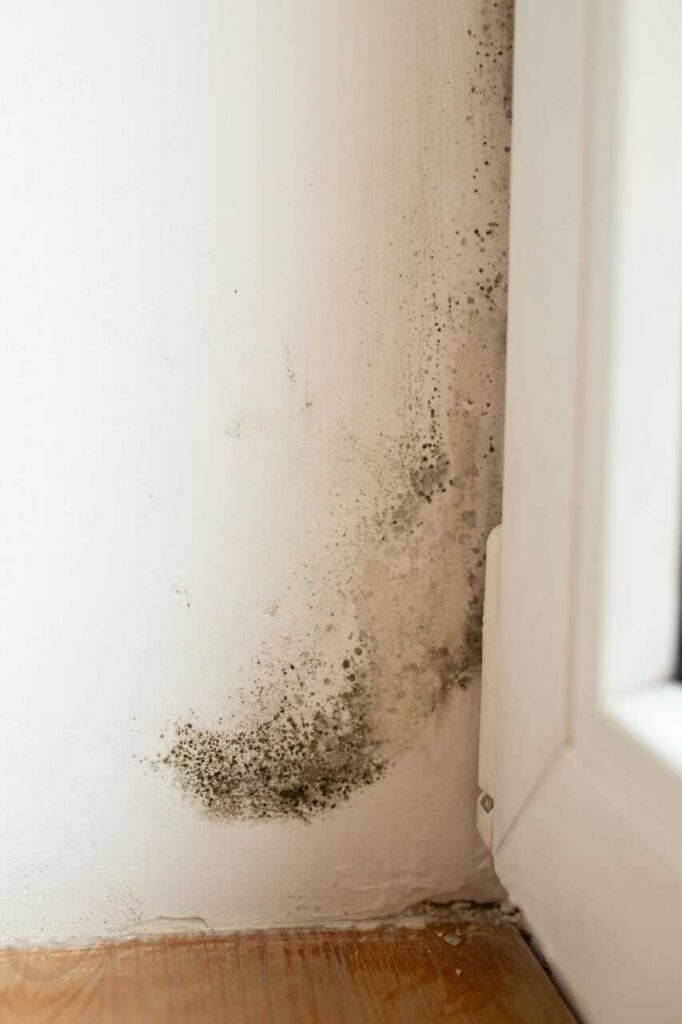
When sewage spills occur, mold can quickly develop in damp environments, posing serious respiratory risks. Breathing in mold spores can lead to conditions like asthma, bronchitis, and other respiratory issues.
To minimize these risks, effective mold prevention is essential. Start by removing any contaminated materials and ensuring thorough drying of affected areas. Implementing ventilation strategies, such as using fans and dehumidifiers, can greatly reduce moisture levels, making it harder for mold to thrive.
Regularly checking for leaks and maintaining air quality can also help safeguard your health. By taking proactive measures, you protect yourself and foster a safer environment for your community.
Prioritizing these actions can enhance your overall well-being in the aftermath of flooding.
What Infections Can Result From Sewage Exposure?
When you’re exposed to sewage, various infections can pose serious health risks.
Bacterial infections, viral pathogens, and parasitic diseases are all potential threats that can arise from contaminated environments.
Understanding these risks is essential for taking appropriate precautions during cleanup efforts.
Bacterial Infections Risks
What bacterial infections can arise from sewage exposure? When you come into contact with contaminated water, you’re at risk for several serious infections.
Common culprits include Leptospirosis, which can lead to severe liver and kidney damage, and Salmonella, known for causing gastrointestinal distress.
Bacterial transmission occurs easily in flooded areas, making infection prevention vital. Keep in mind that even minor cuts can become entry points for harmful bacteria.
To protect yourself, always wear gloves and boots during cleanup, and make certain you wash your hands thoroughly afterward.
If you notice any unusual symptoms, seek medical attention promptly. Understanding these risks empowers you to take proactive steps in safeguarding your health and those around you.
Viral Pathogens Exposure
Exposure to sewage can lead to several viral infections that pose significant health risks. Understanding these risks is vital for taking effective sanitation measures to protect yourself and your community.
Here are some common infections you might encounter through viral transmission:
- Hepatitis A
- Norovirus
- Rotavirus
- Cytomegalovirus
- Adenovirus
These viruses can spread quickly in contaminated environments, especially after flooding.
It’s important to practice good hygiene and adhere to safety protocols during cleanup to minimize exposure. Always wear protective gear and ensure proper sanitation measures are in place before beginning any sewage cleanup.
Parasitic Diseases Overview
While sewage cleanup is often vital for public health, it also carries the risk of encountering various parasitic diseases. Exposure to contaminated water can lead to parasitic infections such as giardiasis, cryptosporidiosis, and schistosomiasis.
These infections can cause gastrointestinal distress, dehydration, and other serious health issues. To protect yourself, it’s important to adopt effective prevention measures. Always wear protective gear, including gloves and masks, and ensure thorough handwashing afterward.
Additionally, avoid direct contact with contaminated water and seek medical attention if you experience symptoms. By understanding these risks and taking appropriate precautions, you can safeguard your health and contribute to your community’s recovery efforts.
Knowledge empowers you to navigate these challenging situations more safely.
Chemical Exposure Risks During Cleanup
As you engage in sewage cleanup, you’re likely to encounter various chemicals that pose significant health risks. Understanding chemical safety is vital, as exposure can lead to serious long-term effects.
Always wear protective gear to minimize your risk. Be aware of the following hazards:
Fumes from household cleaners: These can irritate your respiratory system.
Pesticides: Often washed into floodwaters, they can cause skin irritation.
Heavy metals: Found in contaminated water, these pose serious health threats.
Bacteria and pathogens: High levels can lead to infections.
Corrosive substances: These can damage skin and eyes upon contact.
Prioritizing your safety during cleanup ensures that you’re protecting both yourself and your community.
Stay informed and equipped.
Allergies and Respiratory Issues Linked to Sewage
During sewage cleanup, the risk of developing allergies and respiratory issues increases considerably. You might encounter various allergy triggers, such as mold, bacteria, and other contaminants.
These substances can lead to respiratory symptoms like coughing, wheezing, and shortness of breath. Even if you don’t have a history of allergies, the stress of cleanup can heighten your sensitivity to these irritants.
It’s essential to wear protective gear, including masks and gloves, to minimize exposure. Ventilating the area can also help reduce airborne particles that cause discomfort.
Understanding these risks protects your health and fosters a sense of community awareness as everyone works together to recover from the flood. Stay informed and prioritize your well-being during this critical time.
Long-Term Health Consequences of Sewage Exposure
Exposure to sewage can lead to serious long-term health consequences that often go unnoticed until significant damage has occurred. It’s essential to recognize these risks, as they may affect your daily life and overall well-being.
Here are some potential outcomes you might face:
- Development of chronic illnesses, such as respiratory diseases
- Increased susceptibility to infections and allergies
- Long-lasting gastrointestinal issues
- Deterioration of mental health, including anxiety and depression
- Compromised immune function
Understanding these consequences can motivate you to take precautions and seek help if you’ve been exposed.
How to Safely Clean Up Sewage After Flooding
Understanding the long-term health risks associated with sewage exposure makes it vital to approach cleanup efforts with caution and care.
First, wear protective gear, including gloves, masks, and boots, to shield yourself from contaminants. Use effective cleanup techniques, such as removing standing water and debris promptly.
Follow sanitation procedures, ensuring you disinfect all surfaces with appropriate solutions. Adhere to health guidelines from local authorities to minimize risks.
Implement safety protocols, like ventilating the space and avoiding contact with raw sewage. After initial cleanup, employ decontamination methods to ensure thorough sanitation.
Regularly check for any lingering odors or signs of contamination to maintain a safe environment. Your health and safety are paramount during this critical process.
Frequently Asked Questions
What Personal Protective Equipment Is Recommended for Sewage Cleanup?
You should wear protective gear like gloves, goggles, and masks during sewage cleanup. Following proper cleanup procedures ensures your safety and minimizes health risks, helping you feel secure while tackling this challenging task effectively.
How Can I Tell if My Water Is Contaminated?
If you notice unusual odors, discoloration, or a film on the water’s surface, it might be contaminated. Conduct water testing to confirm, ensuring you and your loved ones stay safe from potential health hazards.
Are Pets at Risk During Sewage Cleanup?
Yes, pets are at risk during sewage cleanup. Sewage pathogens can harm them. Make certain your pets stay away from contaminated areas, and consider consulting a veterinarian for additional guidance on keeping them safe during cleanup efforts.
What Should I Do if I Ingest Contaminated Water?
If you ingest contaminated water, monitor for contamination symptoms like nausea or diarrhea. Seek medical help immediately and follow emergency actions, including rinsing your mouth and drinking clean water to dilute potential toxins.
How Long Does It Take to Recover From Sewage Exposure?
Recovery from sewage exposure can feel like an eternity, but symptoms usually resolve within days to weeks. Your recovery timeline hinges on individual health, exposure severity, and prompt medical attention, so stay vigilant and informed.
Review
Sewage cleanup after flooding poses significant health risks that shouldn’t be underestimated. Those exposed to contaminated water develop serious infections like Leptospirosis or Salmonella. It’s vital to recognize these dangers and take appropriate safety precautions during cleanup. By understanding the potential health effects and following proper protocols, you can minimize your risk and protect your well-being while restoring your environment. Prioritizing safety is essential for a healthier recovery.