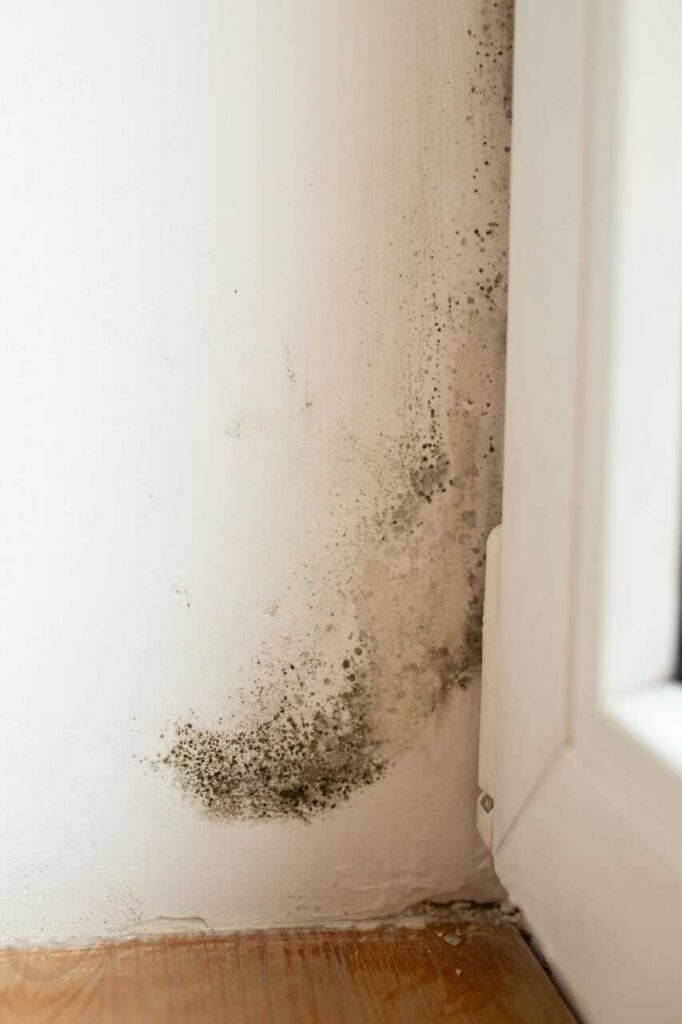

Is it true that long-term home sewage exposure can greatly impact your health? Contaminated water can lead to serious respiratory and gastrointestinal issues. Understanding these risks is essential, especially if you live in areas prone to sewage problems. What specific health effects should you be aware of, and how can you protect yourself and your family from potential dangers? The answers might surprise you.
Key Takeaways
- Prolonged exposure to sewage can lead to chronic respiratory issues, worsening conditions like asthma and bronchitis.
- Continuous contact with contaminated water may result in gastrointestinal disorders, including chronic diarrhea and infections.
- Chemical pollutants from sewage can contribute to neurological effects, potentially leading to cognitive decline over time.
- Microbial pathogens in sewage can persist in the environment, posing ongoing health risks to residents.
- Community advocacy for improved sanitation practices is essential to minimize long-term exposure risks.
Common Health Issues Linked to Sewage Exposure
Sewage exposure poses significant health risks that can affect individuals in various ways. You might experience bacterial infections, which can lead to serious complications if left untreated.
Gastrointestinal issues, such as diarrhea and vomiting, often arise after contact with contaminated water. Additionally, respiratory problems can develop from inhaling aerosolized pathogens, especially in poorly ventilated spaces.
Skin irritations, including rashes and infections, frequently occur when skin comes into contact with sewage. Understanding these potential health issues is essential for protecting yourself and your loved ones.
If you suspect sewage exposure, addressing the situation promptly can mitigate risks and foster a healthier environment for everyone. Stay informed, and take proactive measures to safeguard your well-being.
Understanding the Health Risks of Sewage Exposure?
When exposed to sewage, you can encounter a range of health risks that extend beyond mere discomfort. Sewage pathogens, including bacteria, viruses, and parasites, pose significant threats to your well-being.
These microorganisms can lead to gastrointestinal issues, respiratory infections, and skin conditions, particularly if sanitation practices in your home are inadequate. For instance, poor waste management can exacerbate exposure, increasing the likelihood of illness.
Research shows that consistent contact with contaminated water can lead to chronic health problems over time.
It’s crucial to recognize these risks and advocate for improved sanitation practices to protect yourself and your community. By understanding the dangers associated with sewage, you can make informed choices that enhance your health and safety.
How to Recognize and Prevent Sewage Exposure Risks
Recognizing and preventing sewage exposure risks involves being aware of potential hazards in your environment.
To effectively manage these risks, you should focus on sewage detection and ensure proper sanitation practices. Here are key strategies:
- Regular Inspections: Check your plumbing and sewage systems for leaks or blockages that could lead to exposure.
- Prompt Repairs: Address any signs of damage immediately to minimize contamination risk.
- Educate Your Household: Teach family members about safe waste disposal and the importance of maintaining hygiene.
What to Do Immediately After Sewage Exposure?
If you’ve been exposed to sewage, acting quickly can greatly reduce health risks. First, verify your safety by removing yourself from the contaminated area.
Wash your skin thoroughly with soap and water for at least 20 minutes, focusing on any exposed areas. If you have open wounds, apply first aid by cleaning them with clean water and covering them with a sterile bandage.
Monitor for any signs of infection, such as redness or swelling. Dispose of any contaminated clothing safely, and don’t forget to wash your hands afterward.
Keep a record of the exposure and consult a healthcare professional if you experience symptoms. Taking these safety measures can help protect your health and foster a sense of community awareness.
Long-Term Health Effects of Sewage Contaminants
Exposure to sewage contaminants can lead to a range of long-term health effects that often go unnoticed until they become severe. You might be unaware of how chemical pollutants and microbial pathogens can linger in your home environment, posing ongoing risks.
Consider these potential health impacts:
- Respiratory issues: Prolonged exposure can aggravate asthma and other respiratory conditions.
- Gastrointestinal problems: Chronic infections from microbial pathogens can lead to digestive disorders.
- Neurological effects: Some chemical pollutants are linked to cognitive decline and neurological disorders.
Being informed helps you take proactive steps in minimizing exposure and protecting your health.
Understanding these long-term effects fosters a sense of community responsibility, encouraging you to advocate for cleaner environments in shared spaces.
Frequently Asked Questions
How Does Sewage Exposure Affect Mental Health Over Time?
Sewage exposure can harm your mental wellness over time, as sewage toxins may lead to anxiety, depression, and cognitive decline. Prolonged contact exacerbates these effects, impacting your overall emotional and psychological well-being considerably.
Are Certain Demographics at Higher Risk for Sewage-Related Diseases?
Absolutely, vulnerable populations face higher risks for sewage-related diseases due to socioeconomic factors. Limited access to healthcare and sanitation amplifies exposure, making it essential for communities to address these disparities and protect everyone’s health.
What Environmental Factors Influence the Severity of Sewage Exposure Effects?
Contaminant types and exposure duration greatly influence sewage exposure effects. If you’re exposed to pathogens or chemicals for extended periods, your risk of severe health issues increases, highlighting the importance of mitigating these environmental factors effectively.
Can Pets Be Affected by Home Sewage Exposure?
Yes, pets can be affected by home sewage exposure. Sewage pathogens can cause fecal contamination, leading to exposure symptoms like vomiting or diarrhea. Ensuring your pet’s environment is clean is essential for their health.
How Can Community Infrastructure Reduce Long-Term Sewage Exposure Risks?
Investing in community sanitation infrastructure can cut sewage exposure risks. Improved drainage systems and treatment facilities protect public health and foster a stronger sense of belonging within neighborhoods.
Summary
Understanding the long-term risks of sewage exposure is essential for your health and well-being. You might think, “It won’t happen to me,” but ignoring the potential dangers can lead to serious health issues down the line. By recognizing the risks and taking proactive measures, you protect yourself, your loved ones, and your community. Prioritizing better sanitation practices isn’t just a personal responsibility; it’s a commitment to a safer, healthier environment for everyone.