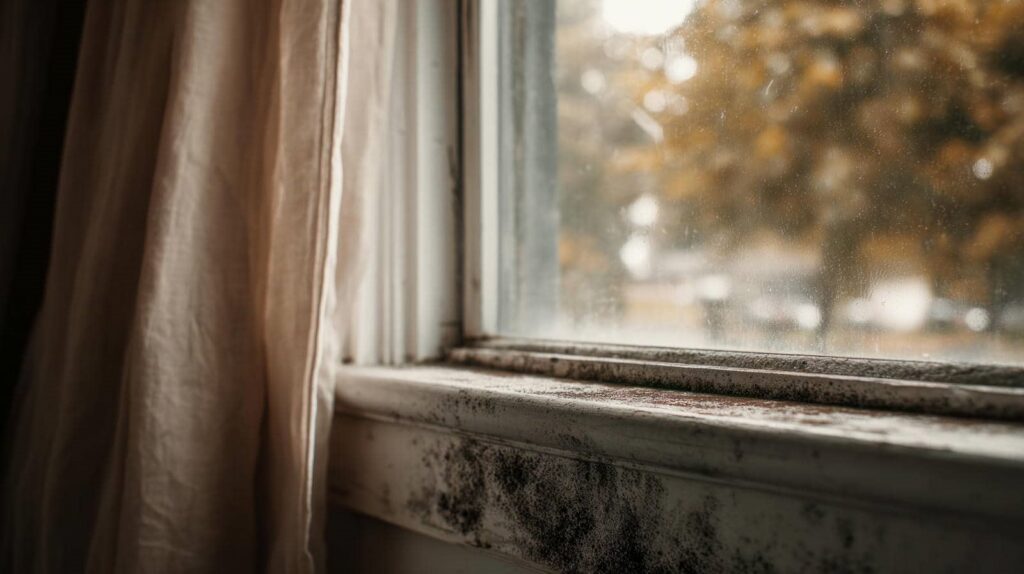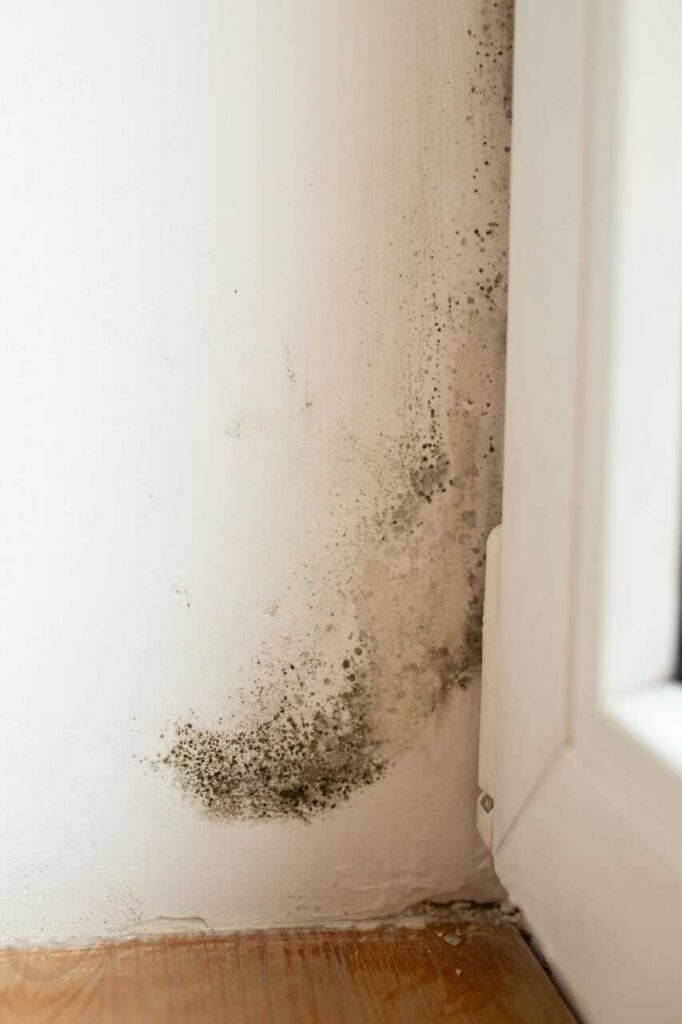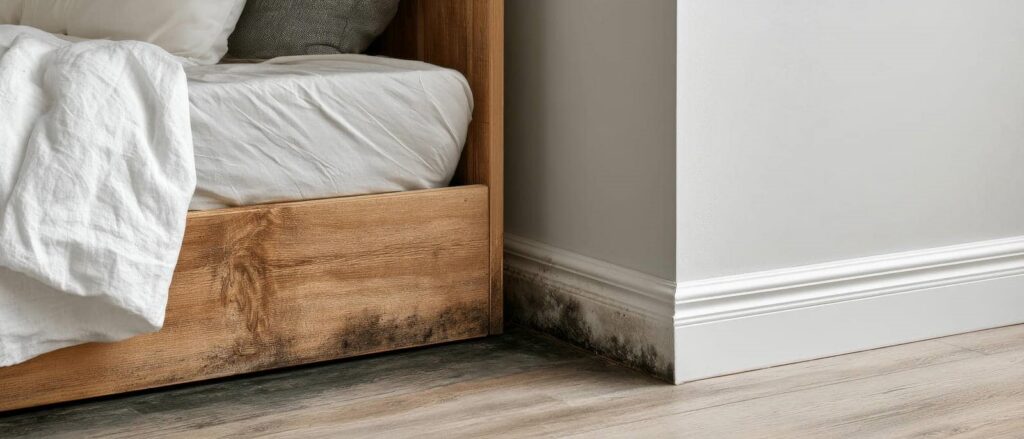
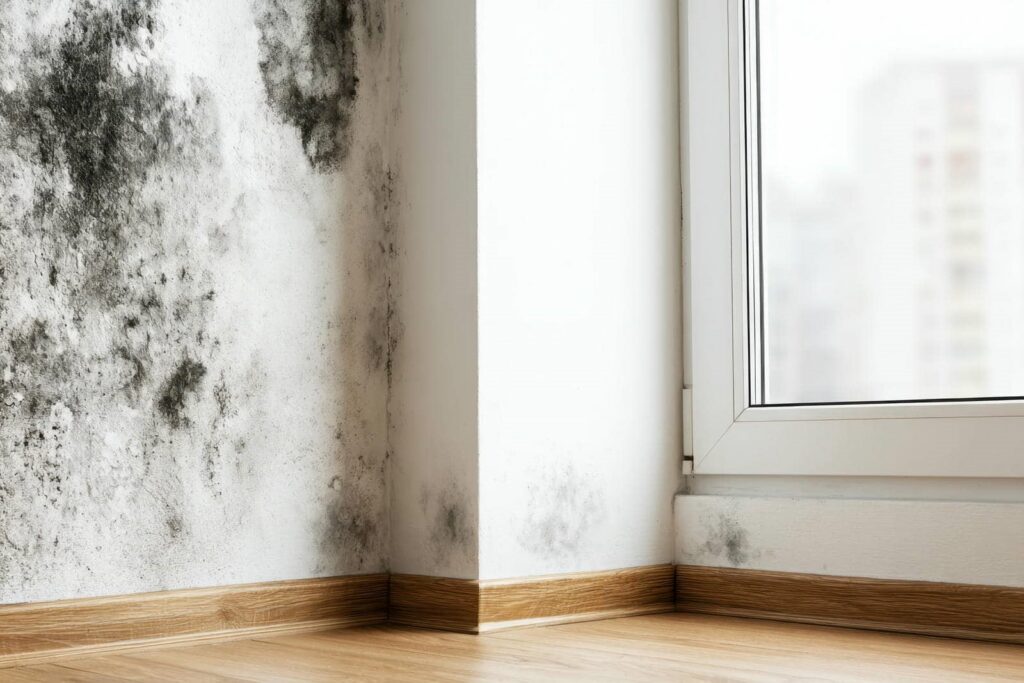
Think of your home as a delicate ecosystem, where moisture can quickly tip the balance toward mold growth. After water cleanup, every moment counts. You must act swiftly to dry your space, manage humidity, and choose the right materials for repairs. Each step plays an essential role in maintaining a healthy environment. But how do you effectively implement these strategies without overwhelming yourself? Understanding the nuances can make all the difference.
Key Takeaways
- Act Quickly: Address water damage immediately to prevent mold growth within 24 to 48 hours.
- Enhance Ventilation: Open windows and use fans or dehumidifiers to promote airflow and reduce moisture levels.
- Manage Humidity: Keep indoor humidity below 60% using dehumidifiers and ensuring proper ventilation in kitchens and bathrooms.
- Use Mold-Resistant Materials: Choose mold-resistant paints and install moisture barriers in high-humidity areas to inhibit mold growth.
- Regular Monitoring: Routinely check for leaks and monitor indoor humidity with a hygrometer to maintain a healthy environment.
Don’t Wait: Dry Your Space Quickly to Prevent Mold
When you experience water damage, it’s crucial to act swiftly; otherwise, mold can take root within 24 to 48 hours. Start by identifying moisture sources, such as leaks or flooding, and address them immediately.
Next, make certain proper ventilation in your space. Open windows, use fans, or dehumidifiers to circulate air and remove excess moisture.
Every corner counts, so check areas like basements and attics that are often overlooked. Remember, stagnant air breeds mold, so keep the environment dry.
The quicker you dry your space, the better the chance you have of preventing mold growth. By taking these proactive steps, you protect your home and create a healthier environment for yourself and those around you.
Manage Humidity to Prevent Mold
Managing humidity is essential for mold prevention, as high moisture levels create an ideal environment for mold spores to thrive.
Effective humidity control and smart ventilation strategies are key to keeping your space mold-free. Here are some tips to help you manage humidity levels:
- Use dehumidifiers in damp areas.
- Ensure proper ventilation in bathrooms and kitchens.
- Keep windows open when weather permits.
- Seal cracks and gaps to prevent moisture entry.
- Monitor indoor humidity levels with a hygrometer.
Choose the Best Mold-Resistant Products for Repairs
To effectively combat mold growth during repairs, selecting the right mold-resistant products is crucial. Start by choosing mold-resistant paints; these not only help prevent mold but also maintain the aesthetic appeal of your space. Look for paints specifically designed to inhibit mold growth, especially in high-humidity areas.
Additionally, consider installing moisture barriers, particularly in basements and bathrooms. These barriers reduce moisture penetration and create an environment less conducive to mold.
Always check product labels for mold-resistant certifications to ensure effectiveness. By making informed choices about these products, you’ll markedly enhance your home’s defenses against mold, fostering a healthier living environment for you and your loved ones.
Frequently Asked Questions
How Can I Tell if Mold Is Already Present?
You can tell if mold’s present by using mold detection methods like visual inspections and odor checks. Look for signs of mold, such as discoloration, water stains, or musty smells, to identify potential growth areas.
What Should I Do if I Find Mold?
If you find mold, act quickly. Use effective mold removal methods like scrubbing with soap and water or specialized cleaners. Follow mold prevention tips to stop future growth, ensuring a safe, healthy environment for everyone.
Can I Paint Over Moldy Surfaces?
You can’t just paint over moldy surfaces; it’ll eventually reappear. Identify mold types first, then use proper cleaning techniques. Afterward, apply a mold-resistant primer before painting to ensure a lasting, clean finish.
How Often Should I Check for Mold?
You should check for mold at least every season—it’s like hunting for hidden treasure! Regular mold inspection frequency helps catch issues early, ensuring your space remains safe and comfortable for everyone who belongs there.
Is Mold Harmful to Pets?
Yes, mold can be harmful to pets. Certain mold types produce toxins that may cause pet symptoms like coughing, sneezing, or lethargy. Regularly check your home to keep your furry friends safe from potential exposure.
Review
In the race against mold, think of your space as a sponge—once saturated, it’s tough to dry. By swiftly drying your environment, managing humidity, and using mold-resistant materials, you can keep that sponge from becoming a breeding ground. Just as a well-timed raincoat can save you from getting soaked, proactive measures can protect your home. Don’t let moisture linger; act fast to ensure a healthy, mold-free living space for you and your family.