After flooding, it’s essential to act quickly to prevent mold growth, which can pose serious health risks. First, you need to evaluate the extent of water damage in your home. Addressing this promptly can save you from more extensive issues down the line. But simply removing water isn’t enough; there are specific strategies you should implement to ensure your space remains mold-free. Let’s explore the best practices that can safeguard your home effectively.
Key Takeaways
- Act swiftly to remove standing water and moisture within 24 to 48 hours to inhibit mold growth.
- Use fans, dehumidifiers, and open windows to enhance air circulation and reduce humidity levels.
- Choose mold-resistant materials for repairs, including paints and moisture barriers, to prevent future growth.
- Conduct regular inspections for mold, especially in hidden areas, to catch issues early.
- Maintain proper ventilation in your home, utilizing exhaust fans and ensuring HVAC systems are effective.
Evaluate Water Damage
When you assess water damage, it’s vital to act quickly, as lingering moisture can lead to mold growth.
Start with a thorough water assessment, checking all affected areas, including walls, floors, and furniture. Identify the source of the water intrusion and document your findings, as this damage evaluation is important for effective remediation.
Pay attention to hidden spaces, like behind appliances or inside wall cavities, where moisture may linger unnoticed. Use moisture meters to measure levels, ensuring you have an accurate understanding of the extent of the damage.
Best Practices for Drying Affected Areas
Effective drying of affected areas is essential within 24 to 48 hours after flooding to prevent mold growth.
Start by removing standing water using pumps or wet vacs. Next, employ drying techniques like fans and dehumidifiers to enhance moisture control. Ensure air circulation by opening windows and doors, if weather permits.
Focus on porous materials like carpets and drywall; these often retain moisture and should be removed if heavily soaked. Regularly check humidity levels with a hygrometer, aiming for below 60%.
Additionally, consider using desiccants in confined spaces to absorb excess moisture. By following these practices, you’ll create a safer environment and foster a sense of community resilience, ensuring everyone can return to a mold-free home.
Select Mold-Resistant Repair Products
Selecting mold-resistant repair products is crucial for safeguarding your home against future infestations, especially after flooding. Opt for mold-resistant paints that contain antimicrobial properties to inhibit mold growth on surfaces. These paints not only protect but also enhance your home’s aesthetics.
Additionally, installing moisture barriers in areas prone to dampness, such as basements and crawl spaces, can greatly reduce humidity levels. These barriers act as a shield, preventing moisture from seeping through walls and floors.
Ensure Proper Ventilation and Airflow
Ensuring proper ventilation and airflow in your home is essential for mold prevention, particularly after flooding. Good air circulation reduces humidity levels, preventing mold spores from settling and multiplying.
Open windows and doors whenever possible to promote fresh airflow. Use exhaust fans in kitchens and bathrooms to help control moisture. Additionally, consider using dehumidifiers to maintain ideal humidity levels, ideally between 30-60%.
Keep vents and ducts clear to facilitate effective airflow throughout your space. Regularly check that your HVAC system is functioning well, as it plays a critical role in maintaining proper ventilation.
Conduct Regular Inspections for Mold Growth
While maintaining proper ventilation and airflow is important, conducting regular inspections for mold growth is equally essential in a post-flood environment.
To effectively combat mold, you should establish a consistent inspection frequency—aim for at least once a week during the initial recovery phase.
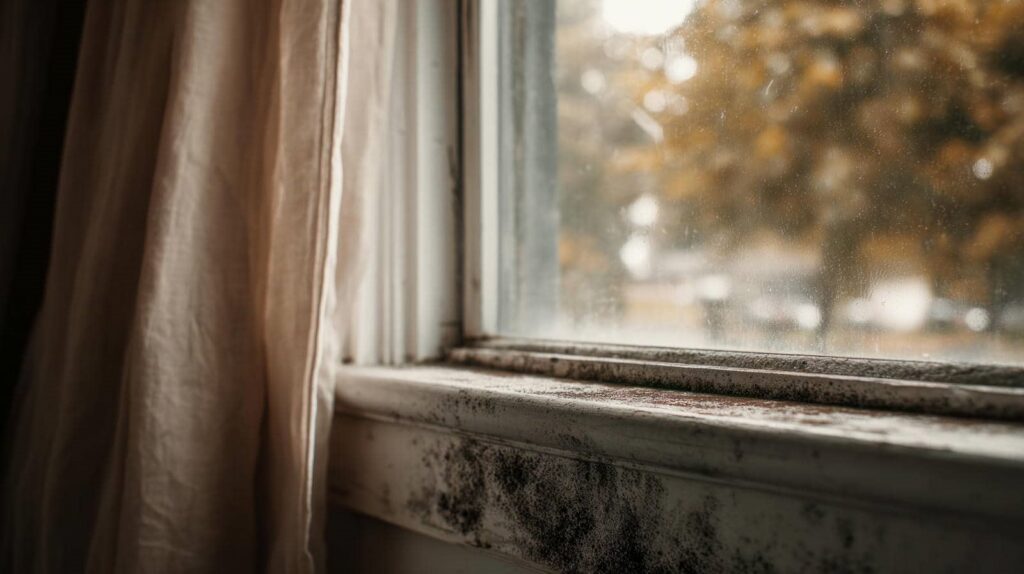
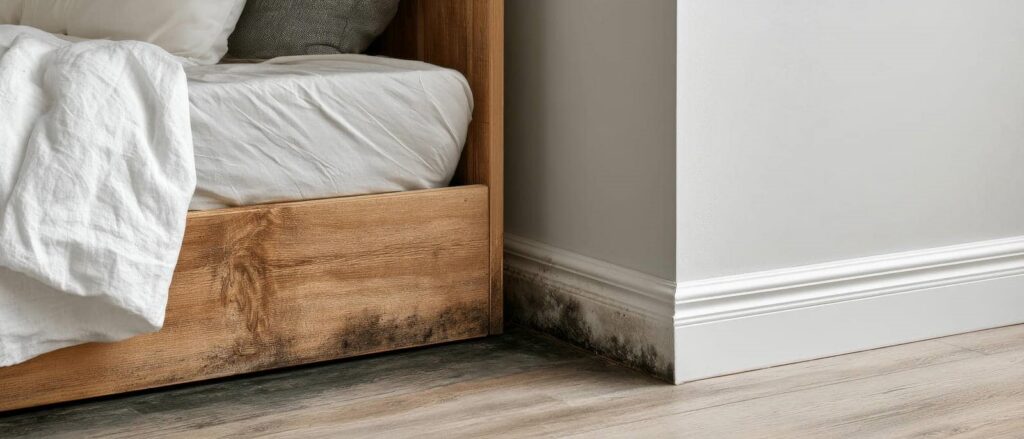
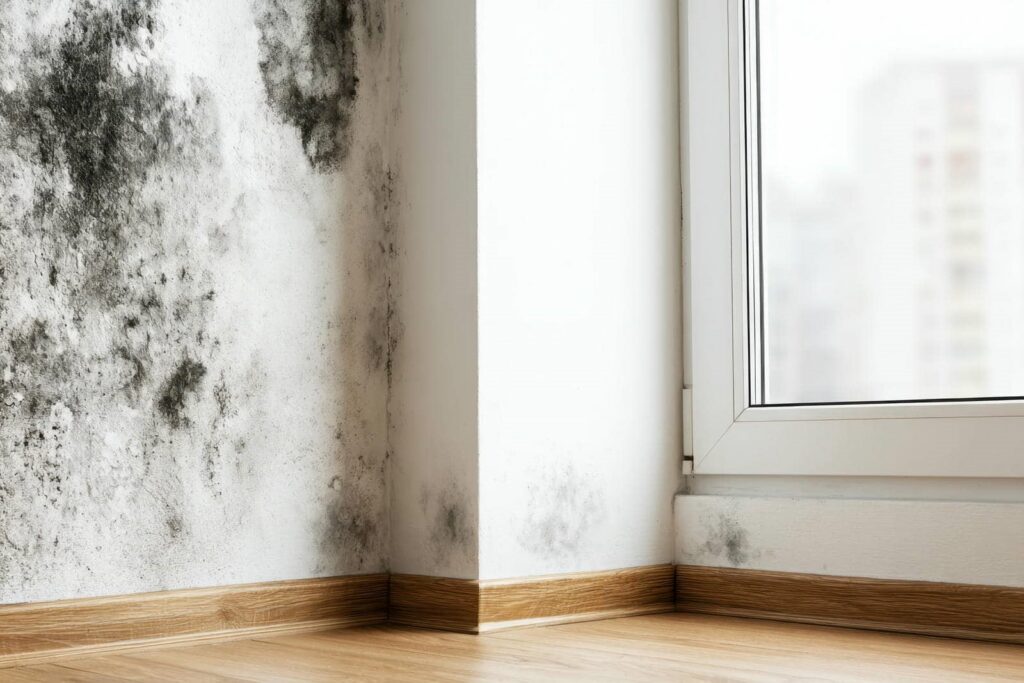
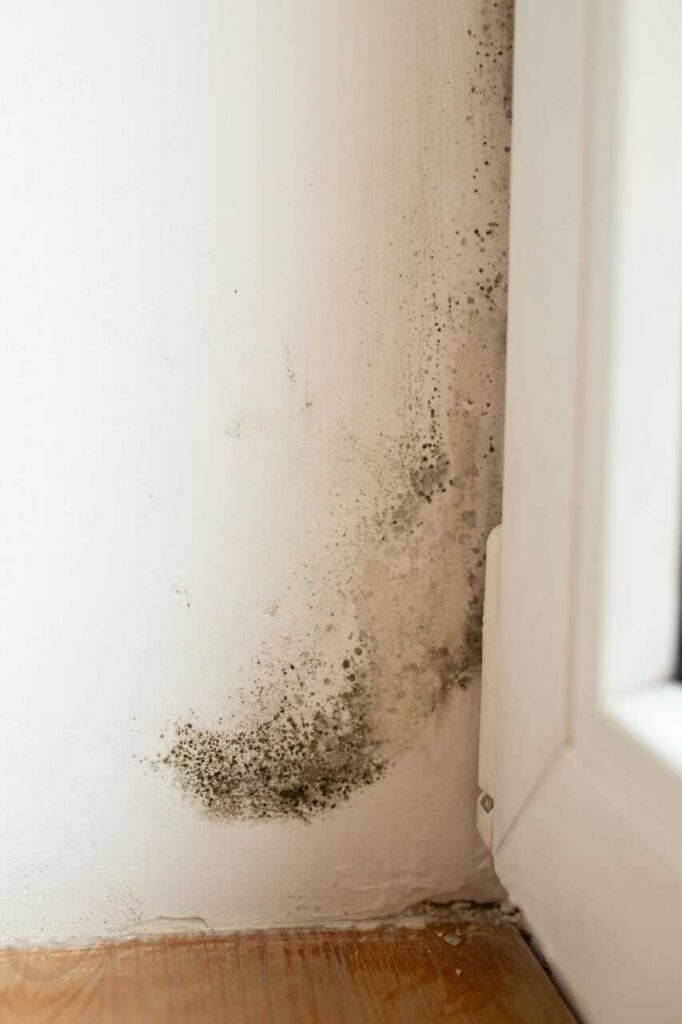
Utilize mold detection techniques like visual inspections and moisture meters to identify hidden growth in walls, ceilings, and other damp areas.
Don’t overlook less obvious spots, like behind appliances or under carpets.
Document your findings and act quickly if you spot any signs of mold.
Frequently Asked Questions
How Quickly Can Mold Begin to Grow After Flooding?
Mold can start to grow within 24 to 48 hours after flooding. During the flood aftermath cleanup, it’s essential to dry out your space quickly to minimize the mold growth timeline and protect your environment.
What Are the Health Risks Associated With Mold Exposure?
Mold exposure can lead to various health risks, including respiratory issues and mold symptoms like coughing, sneezing, or skin irritation. It’s essential to address mold promptly to protect your health and well-being.
Can I Use Bleach to Clean Mold After Flooding?
You can use bleach for mold cleaning methods, but it’s not always effective. It kills surface mold, yet doesn’t penetrate porous materials. Consider alternative solutions that address deeper infestations for better long-term results.
How Can I Tell if My Belongings Are Moldy?
Like a detective in a mystery, you can spot moldy items by checking for discoloration, musty odors, or dampness. Use mold detection methods, such as visual inspection and smell, for identifying moldy items effectively.
Should I Hire a Professional for Mold Removal?
Yes, hiring a professional for mold removal is wise. They provide thorough mold assessments and effective services, ensuring your belongings are safe. Their expertise helps prevent further damage and promotes a healthier living environment.
Summary
Taking swift action after flooding is key to preventing mold growth. By evaluating water damage, employing best drying practices, choosing mold-resistant materials, ensuring proper ventilation, and conducting regular inspections, you can greatly reduce the risk. Remember, “an ounce of prevention is worth a pound of cure,” so stay proactive. Keeping your environment dry and well-ventilated protects your property and promotes a healthier living space.