Floodwaters can bring both destruction and hidden dangers, like mold. While quick action can save your home, neglecting proper mold prevention can lead to serious health risks. Understanding the urgency of immediate cleanup and effective moisture control is crucial. You might think you’re safe, but unseen mold can thrive in damp corners. What steps should you take to ensure your living environment remains healthy and mold-free? Let’s explore the essential strategies.
Key Takeaways
- Control humidity levels between 30% to 60% to prevent mold growth in moisture-prone areas.
- Remove standing water and wet materials within 24 to 48 hours to inhibit mold development.
- Use high-quality cleaning solutions and HEPA filter vacuums for effective mold removal.
- Implement mold-resistant materials and ensure proper ventilation during renovations and maintenance.
- Regularly monitor humidity and use moisture absorbers to maintain a mold-free environment.
Why Mold Is a Serious Threat After a Flood
When floodwaters recede, the danger often doesn’t end; instead, mold can quickly become a serious threat. In the aftermath of flooding, moisture lingers in homes and buildings, creating an ideal environment for mold growth.
You need to be aware of the mold health risks, which can include respiratory issues, allergic reactions, and other serious health problems. Mold spores can spread rapidly, affecting not just the structure but the well-being of everyone inside.
Understanding flood aftermath impacts is vital, as these can lead to long-term health concerns if mold isn’t addressed swiftly. Taking proactive steps to prevent mold is essential for your safety and the safety of your community, ensuring a healthier living environment for everyone involved.
How Quickly Should You Start the Cleanup Process?
Mold begins to develop within 24 to 48 hours after flooding, making it essential to act quickly. Your cleanup timing is vital in the flood aftermath.
As soon as it’s safe, start the process by removing standing water and wet materials. Delaying cleanup can lead to increased mold growth, which poses serious health risks and damages your belongings.
Focus on drying out the affected areas using fans and dehumidifiers, and consider professional help if the damage is extensive.
Remember, the sooner you begin, the better your chances are of preventing mold from taking hold.
Essential Tools for Effective Mold Removal
To effectively tackle mold removal, you need the right tools at your disposal.
Essential cleaning supplies, like mold removers and scrub brushes, are vital for thorough eradication, while protective gear ensures your safety during the process.
Must-Have Cleaning Supplies
Effective mold removal hinges on having the right tools at your disposal. To tackle mold effectively, you’ll need high-quality cleaning solutions, such as vinegar or hydrogen peroxide, which can penetrate surfaces and kill spores.
Don’t overlook scrubbing brushes and sponges; they’re essential for removing mold from tough spots. Sanitizing agents like bleach can also help, especially for non-porous surfaces.
Make sure to have buckets for mixing your solutions and spray bottles for easy application. A vacuum with a HEPA filter is vital for capturing airborne spores.
Lastly, cloths or rags are helpful for wiping down surfaces. With these must-have cleaning supplies, you’ll be well-equipped to combat mold and restore your space to a safe, healthy environment.
Protective Gear Essentials
When tackling mold removal, having the right protective gear is essential for your safety and effectiveness. Start with respirator masks to filter out harmful spores, ensuring you breathe safely.
Safety goggles protect your eyes from irritants, while protective gloves shield your hands from direct contact with mold and cleaning agents.
Disposable coveralls are a smart choice to prevent mold spores from settling on your clothing, and wearing mold-resistant clothing adds an extra layer of protection.
Don’t forget waterproof boots to keep your feet dry and safe from damp environments.
Drying Your Home: Techniques and Best Practices
After a flood, you need to act quickly to assess water damage and determine the best drying strategies.
Using dehumidifiers effectively can considerably reduce moisture levels, while thorough ventilation helps circulate air and promote faster drying.
Implementing these techniques will help restore your home and prevent mold growth.
Assess Water Damage Quickly
To prevent mold growth, evaluating water damage quickly is essential in the aftermath of a flood.
Start with a thorough water assessment to identify affected areas, including walls, floors, and furniture. Look for discoloration, warping, or dampness, as these signs can indicate significant damage.
Conduct a damage evaluation to determine what can be salvaged and what needs replacing. Time is vital; the longer moisture lingers, the higher your risk of mold proliferation.
Document your findings for insurance purposes and to guide your recovery efforts.
Use Dehumidifiers Effectively
Following a thorough assessment of water damage, using dehumidifiers effectively can greatly expedite the drying process and minimize mold risk.
Start by adjusting the dehumidifier settings to match the humidity levels in your home; typically, keeping it around 30-60% relative humidity is ideal for moisture control.
Place the units in the most affected areas and make sure they’re positioned for maximum airflow.
Regularly empty the water reservoir or connect the dehumidifier to a drain for continuous operation.
Monitor progress by checking humidity levels daily—this will help you assess when it’s safe to move on to the next steps.
With diligent dehumidifier use, you’ll create a drier environment, markedly reducing the chances of mold growth.
Ventilate Spaces Thoroughly
Ventilating your home effectively is essential in preventing mold growth after a flood. Good air circulation helps reduce humidity levels, which is critical since mold spores thrive in damp environments.
Open windows and doors to encourage fresh air flow, especially on dry, sunny days. Utilize fans strategically to direct airflow throughout your space, aiming to expedite the drying process.
If possible, run exhaust fans in bathrooms and kitchens to remove moisture-laden air. It’s also wise to keep interior doors open to facilitate better air movement.
By ensuring thorough ventilation, you’ll considerably lower the risk of mold development and create a healthier living environment for you and your loved ones.
Prioritize this step; it’s important for your home’s recovery.
When Should You Call in the Pros for Mold Removal?
While you might feel tempted to tackle mold removal on your own, certain situations warrant professional intervention.
If you encounter any of the following, it’s time to call in the pros:
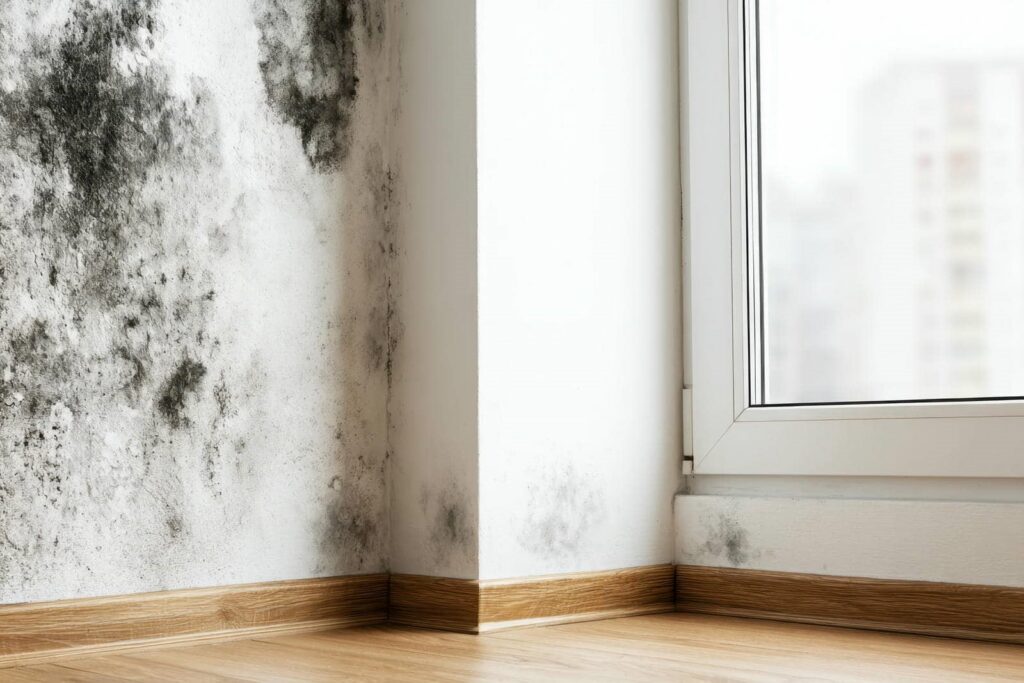
Extensive Mold Growth: If you notice mold covering more than 10 square feet, a thorough mold assessment is crucial.
Hidden Mold: Mold lurking behind walls or under carpets can lead to health risks you mightn’t see.
Health Concerns: If you or your family experience respiratory issues or allergic reactions, professional services are necessary to ensure safety.
Spotting and Treating Hidden Mold?
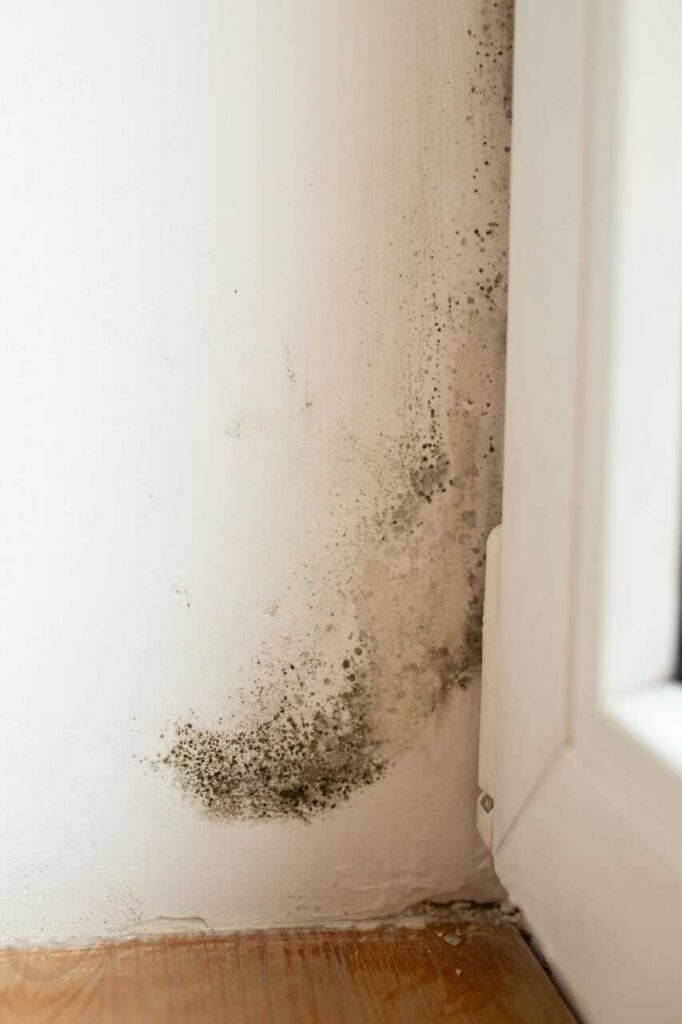
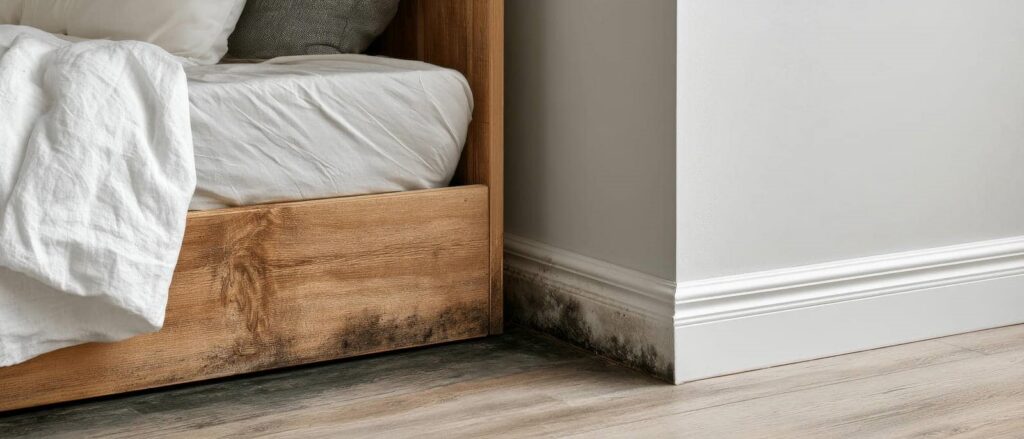
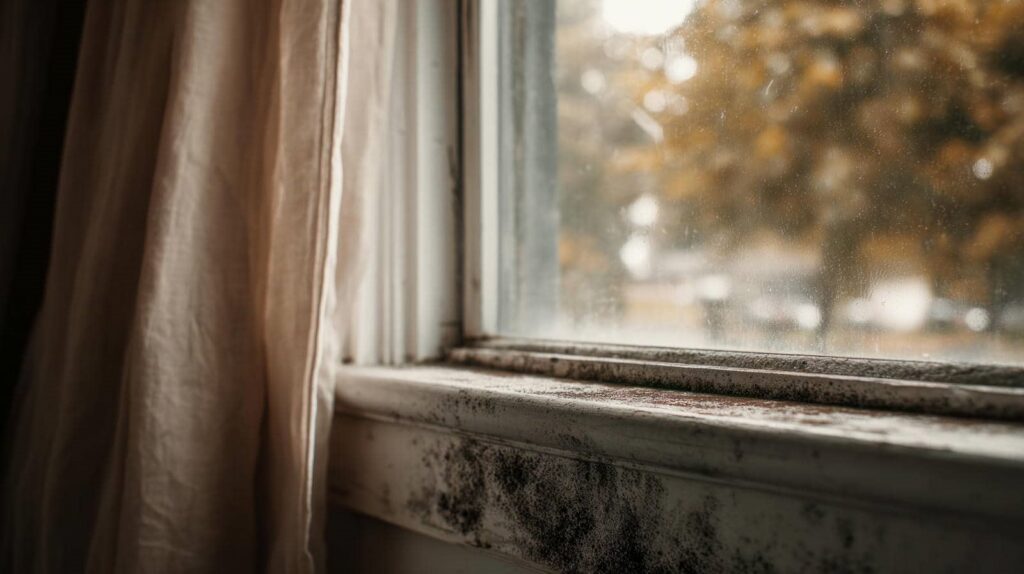
Since mold often hides in places you can’t easily see, it’s important to know how to spot and treat it effectively. Start by checking areas like behind walls, under sinks, and around windows. Use a flashlight to inspect dark corners, and look for any discoloration or musty odors.
If you suspect hidden mold, consider using moisture meters to identify damp areas.
For treatment methods, clean small patches with a solution of water and detergent or commercial mold removers. For larger infestations, it’s best to call professionals.
Effective Strategies for Long-Term Mold Prevention
To effectively prevent mold in the long term, it’s essential to control moisture levels in your home.
By implementing a few key strategies, you can create an environment less conducive to mold growth.
Consider the following:
Use mold-resistant materials when renovating or repairing areas prone to moisture, like basements and bathrooms.
Conduct regular preventive maintenance on your plumbing and roofing to catch leaks before they become a problem.
Ensure proper ventilation in high-humidity areas such as kitchens and bathrooms to reduce moisture buildup.
Monitor Humidity Levels With These Essential Tools
Monitoring humidity levels is essential for preventing mold growth, especially in areas vulnerable to moisture. You can start by investing in reliable humidity monitors, which provide real-time readings to help you maintain ideal levels.
Aim to keep indoor humidity between 30% and 60%. If you notice levels rising, consider using moisture absorbers like silica gel or activated charcoal to combat excess humidity effectively. These tools not only help control moisture but also create a healthier living environment.
Regularly check your humidity monitors and adjust your moisture absorbers as needed. By staying proactive, you’ll foster a mold-free space and protect your home from potential damage.
Frequently Asked Questions
Can I Use Bleach to Kill Mold Effectively?
Bleach can kill mold, but it’s not always effective on porous surfaces. Consider bleach alternatives like vinegar or hydrogen peroxide for better mold removal techniques. They’re safer and often work more efficiently in preventing future growth.
How Can I Tell if Mold Is Toxic?
To tell if mold is toxic, identify mold types like Stachybotrys or Aspergillus. Pay attention to health effects such as respiratory issues or allergic reactions. If symptoms arise, consult a professional for proper assessment and remediation.
What Are the Signs of Mold Regrowth?
Mold regrowth indicators include musty smells, visible spots, and dampness. Utilize moisture detection methods like hygrometers to monitor humidity levels. Staying vigilant ensures you maintain a safe, healthy environment for yourself and your loved ones.
Does Insurance Cover Mold Damage After a Flood?
Insurance typically covers mold damage if it’s part of flood damage coverage in your mold insurance policies. Check your specific policy details, as coverage can vary considerably based on provider and local regulations.
Can I Prevent Mold Without Professional Help?
Yes, you can prevent mold without professional help. Utilize mold resistance techniques like proper ventilation and dehumidifiers. Implement DIY mold solutions, such as vinegar and baking soda, to keep your space clean and dry.
Review
In the aftermath of a flood, taking swift action is your best defense against mold—a silent invader that can turn your home into a health hazard. By employing effective cleanup strategies, controlling moisture, and keeping an eye on humidity levels, you’re not just restoring your space; you’re fortifying it against future threats. Like a vigilant guardian, stay proactive in your efforts, and you’ll ensure your home remains a safe haven for you and your loved ones.