Many homeowners underestimate the extent of hidden water damage, which often lurks behind walls and under floors. Understanding the full scope of moisture issues requires a systematic approach that goes beyond surface-level inspection. By employing thorough strategies for evaluation, you can not only identify current damage but also uncover potential risks that could escalate if ignored. What’s more, these methods can save you significant costs in repairs and health hazards down the line.
Key Takeaways
- Comprehensive strategies identify various water sources and prevent overlooking hidden hazards like mold growth and structural damage.
- They utilize advanced technology, such as moisture meters and thermal imaging, for early detection of leaks and moisture.
- A detailed assessment helps establish preventive measures, mitigating future water damage risks effectively.
- Timely evaluation and documentation of water damage can significantly influence insurance claims and financial implications.
- Collaborating with professionals fosters community awareness and enhances overall property protection against water-related threats.
Why a Comprehensive Evaluation Is Crucial for Water Damage Detection
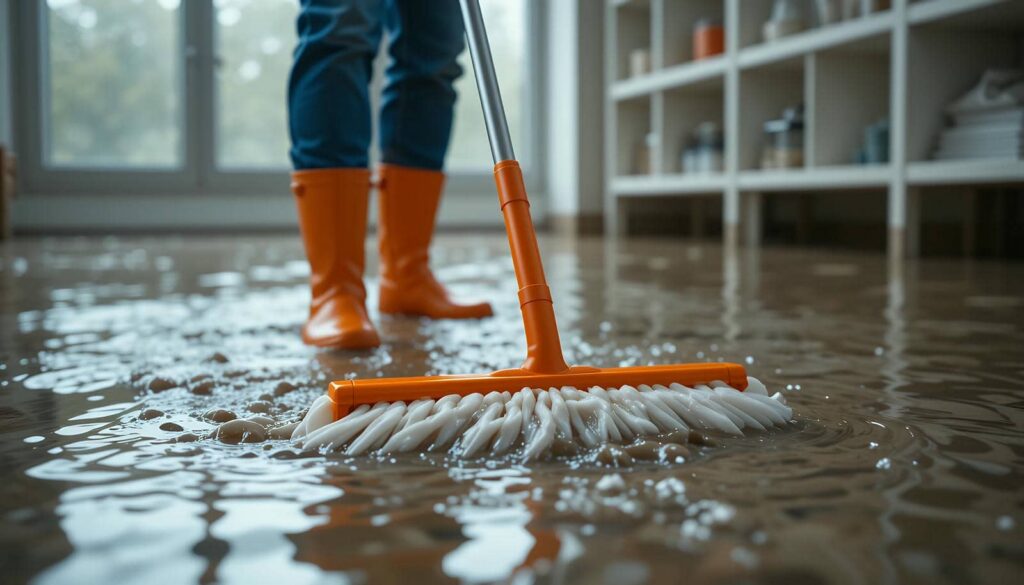
When water damage occurs, understanding its extent is vital for effective remediation. A thorough evaluation allows you to identify various water sources, such as leaks, floods, or condensation.
By employing detailed detection methods, you can pinpoint hidden moisture areas that might otherwise go unnoticed. These methods can include moisture meters, thermal imaging, and visual inspections, each playing an important role in evaluating damage severity.
Without this careful approach, you risk overlooking potential hazards that could lead to mold growth or structural issues. By prioritizing thorough evaluations, you safeguard your property and create a safer environment for those who share it with you.
This sense of belonging is significant; everyone deserves a secure home free from water-related threats.
Identifying Key Signs of Water Damage and Their Consequences
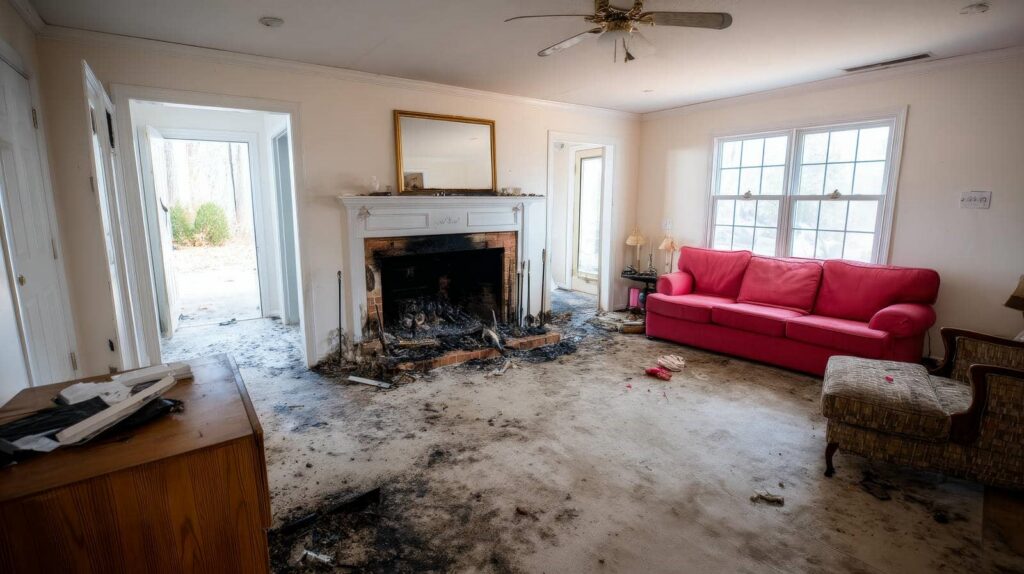
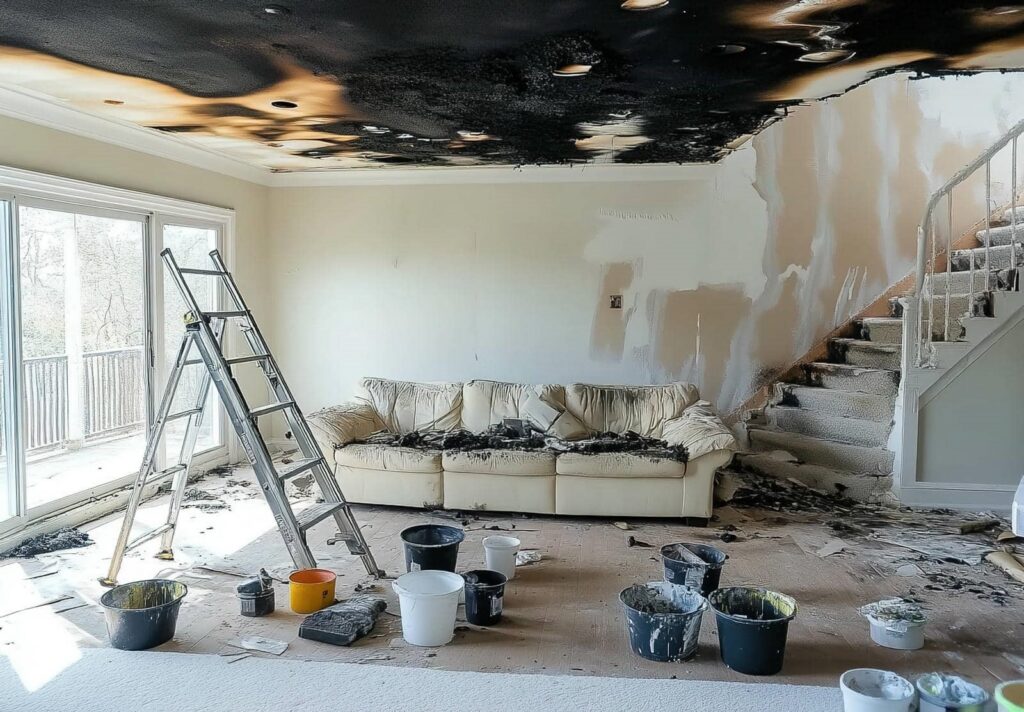
Recognizing the key signs of water damage is essential for effective intervention. Look for visible signs like stains or peeling paint, but don’t overlook hidden leaks that can compromise your home’s structural integrity.
Moisture mapping can help identify areas at risk. Ignoring these signs can lead to serious health risks, including mold growth, which may affect your family’s well-being.
Additionally, water damage carries significant insurance implications; policies often cover restoration costs if reported promptly. Delaying action raises these costs and may jeopardize your coverage.
How Technology Helps Spot Water Damage
As technology advances, homeowners gain access to innovative tools that enhance the detection of water damage. One of the most effective methods is moisture detection, which allows you to identify hidden leaks before they escalate. Devices equipped with sensors can pinpoint moisture levels in walls, floors, and ceilings, offering a clear picture of potential problems.
Infrared imaging is another powerful tool in your arsenal. This technology uses thermal sensors to detect temperature variations, revealing water intrusion that mightn’t be visible to the naked eye.
Step-by-Step Techniques for Assessing Water Damage
Evaluating water damage requires a systematic approach to ensure you address all potential issues effectively.
Start by inspecting visible areas, such as walls and ceilings, for discoloration or warping. Next, utilize moisture meters to measure the moisture levels in materials like wood and drywall—this helps identify hidden damage.
Employ inspection methods, such as thermal imaging, to detect temperature variations that indicate moisture presence behind surfaces. After identifying affected areas, document your findings, noting the extent of the damage.
This methodical approach not only helps you understand the severity but also guides your next steps in remediation. By following these techniques, you assure a thorough evaluation, fostering a sense of community in addressing water damage responsibly.
Benefits of Comprehensive Strategies for Long-Term Water Damage Solutions
While addressing water damage, implementing thorough strategies can greatly enhance long-term solutions. These extensive approaches not only identify existing issues but also establish preventive measures that mitigate future risks.
By understanding the underlying causes of water damage, you can make informed decisions that lead to sustainable solutions.
Moreover, considering the cost implications of each strategy is essential. Investing in a detailed evaluation may seem intimidating initially, but it ultimately saves money by reducing recurring repairs and associated expenses.
You’ll find that a thorough assessment fosters a sense of community, as it encourages collaboration with professionals who share your commitment to protecting your home.
This proactive stance safeguards your property and cultivates peace of mind.
Frequently Asked Questions
How Can I Prevent Future Water Damage in My Home?
To prevent future water damage in your home, implement effective drainage solutions and install moisture barriers. Regularly inspect these systems, ensuring they function properly, and address any leaks or vulnerabilities promptly to maintain a safe environment.
What Are Common Misconceptions About Water Damage?
Like shadows in the dark, water damage myths often mislead homeowners. Many underestimate evaluation techniques, believing small leaks won’t cause harm. Understanding these misconceptions helps you protect your home and ensure effective prevention strategies.
How Often Should I Conduct a Water Damage Evaluation?
You should conduct a water damage evaluation at least twice a year. Regular checks help identify hidden water sources and prevent extensive damage, ensuring your home stays safe and secure for you and your loved ones.
Are DIY Methods Effective for Water Damage Assessment?
DIY methods can be effective for water damage assessment if you use proper moisture detection tools and recognize key damage indicators. However, relying solely on them might overlook hidden issues, so consider professional help for thorough evaluations.
What Insurance Coverage Is Available for Water Damage Incidents?
You can secure flood insurance to cover damages from rising water, while liability coverage protects against claims if your property causes water damage to others. Understanding these options helps you safeguard your home effectively.
Summary
In today’s world, where a simple leak can lead to a cascading waterfall of issues, using extensive strategies for water damage evaluation is essential. By identifying visible and hidden problems, you protect your home and save on costly repairs down the line. Embracing advanced technologies and thorough techniques equips you with the knowledge to address underlying causes, ensuring your home remains a safe haven. After all, a stitch in time saves nine, especially when it comes to water damage.