Like a phoenix rising from the ashes, your home can recover from smoke damage with the right approach. You’ll want to focus on safety first, ensuring you’ve got the proper gear and ventilation. Then, it’s essential to follow a systematic cleanup process that targets every surface. But how do you tackle those lingering odors and protect your electronics? Understanding these steps can make all the difference in restoring your space effectively.
Key Takeaways
- Wear protective gear like masks and goggles to safeguard against harmful particles during the cleanup process.
- Ensure proper ventilation by opening windows and using fans to disperse smoke odors and improve air quality.
- Use dry cleaning methods first to lift soot, followed by damp sponges with mild detergent for deeper cleaning of surfaces.
- Employ odor neutralizers such as baking soda or activated charcoal to eliminate lingering smoke smells effectively.
- Consider professional help for thorough cleanup and to address hidden issues beyond surface-level damage.
Understanding the Effects of Smoke Damage
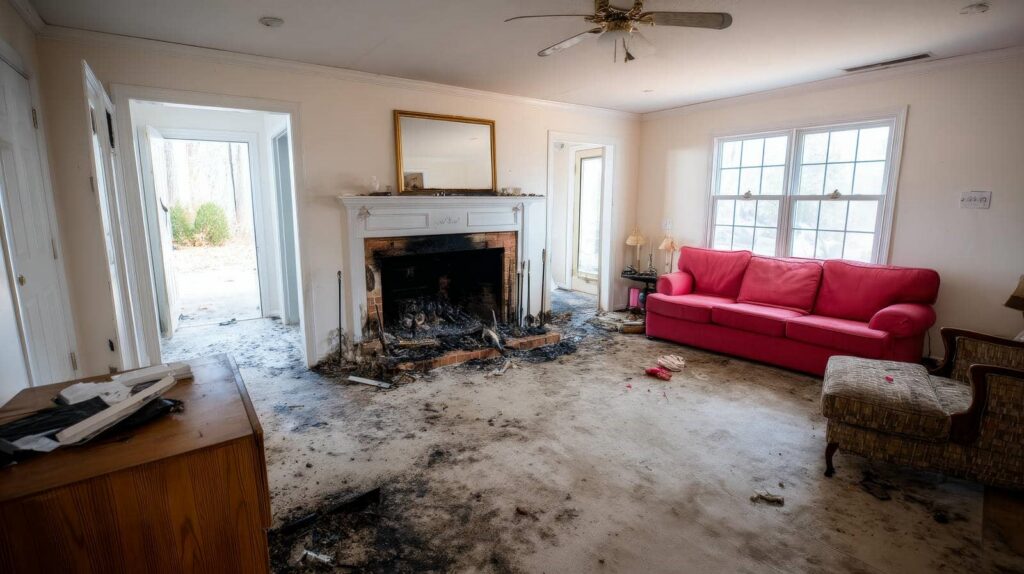
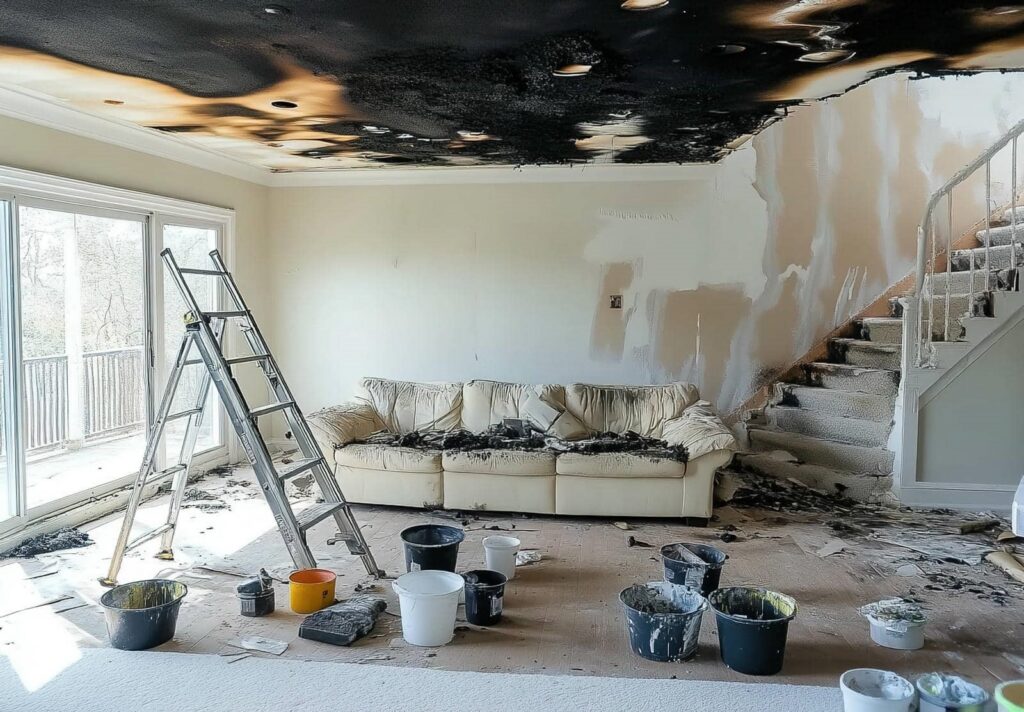
When a fire occurs, the aftermath can be just as devastating as the flames themselves, especially due to smoke damage.
Smoke composition varies, containing harmful particles that can linger long after the fire’s out. These particles can lead to serious health effects, including respiratory issues and skin irritation, making immediate action essential.
The impact duration can extend weeks or even months if not addressed properly. Restoration methods often involve professional cleaning and repairs, which can be intimidating, but knowing your insurance claims may cover these costs can ease the burden.
Remember, effective fire prevention strategies can greatly reduce the risk of future incidents, helping you protect your space and loved ones.
Your well-being and safety matter, and understanding smoke damage is the first step.
Essential Safety Precautions for Smoke Cleanup
When tackling smoke cleanup, your safety should be your top priority.
Make certain you wear protective gear to shield yourself from harmful particles, and always ensure good ventilation to clear out toxic fumes.
Additionally, be cautious of electrical hazards, as water and soot can create dangerous conditions.
Wear Protective Gear
Proper protective gear is essential for anyone tackling smoke damage cleanup. You’ll want to start with a high-quality protective mask equipped with respirator filters to safeguard against harmful particles.
Pair it with safety goggles to shield your eyes from irritants and wear durable clothing that can withstand the harsh environment. Don’t forget chemical gloves to protect your hands and skin barriers to prevent irritation from soot and chemicals.
Face shields can provide additional protection, especially during intense scrubbing. Finally, sturdy protective boots are vital for keeping your feet safe from debris and contaminants.
Prioritizing your safety helps you work effectively and fosters a sense of community in tackling this challenging task together.
Ensure Good Ventilation
To effectively tackle smoke damage cleanup, ensuring good ventilation is vital, as it helps dissipate harmful particles and odors.
Start by opening windows and doors to create a flow of fresh air; this simple action enhances air circulation.
Consider using fans to boost ventilation strategies, directing airflow toward the outside to push smoke-laden air out. If weather permits, keep these openings for an extended period to maximize effectiveness.
For those dealing with persistent odors, air purifiers equipped with HEPA filters can greatly improve indoor air quality.
Remember, good ventilation aids in cleanup and protects your health.
Avoid Electrical Hazards
While you’re focused on smoke damage cleanup, it’s crucial to prioritize safety by avoiding electrical hazards.
Begin with a thorough electrical inspection of your space. Smoke can damage wiring, leading to hidden dangers. If you notice frayed wires or burnt outlets, don’t hesitate—call a professional for help.
Ensure wiring safety by turning off the power before you start cleaning. This simple step can prevent shock or fire risks.
If you’re unsure about anything, reach out to an electrician who understands the nuances of smoke damage. You’re not alone in this process; it’s important to seek support from those who can guide you.
Protect yourself and those around you as you work towards restoring your space. Your safety matters.
How to Clean Smoke-Damaged Surfaces: A Step-by-Step Guide
Cleaning smoke-damaged surfaces can feel overwhelming, but with a clear plan, you can tackle it effectively.
Start by gathering your supplies: a vacuum with a HEPA filter, sponges, and specialized cleaning solutions. For smoke residue removal, begin with dry cleaning methods. Gently vacuum surfaces to lift loose particles.
Next, use damp sponges with a mixture of water and a mild detergent for deeper cleaning. Employ surface cleaning techniques like wiping in a circular motion to avoid spreading residue. Rinse sponges frequently to ensure efficient cleaning.
Don’t forget to check corners and crevices, as smoke can linger there. Finally, allow surfaces to dry thoroughly to prevent mold.
You’re not alone in this; with patience and care, you’ll restore your space.
Removing Smoke Odors From Your Home
Once the visible smoke damage is addressed, tackling the lingering odors becomes essential for restoring your home’s atmosphere.
Start by using odor neutralizers specifically designed for smoke smells. These products penetrate surfaces to eliminate odor molecules rather than just masking them. Consider utilizing baking soda or activated charcoal, both effective natural options that absorb unwanted scents.
Next, improve ventilation by opening windows and using fans to circulate fresh air.
For an added layer of freshness, use scent masking agents like essential oils or air fresheners, but be cautious—these should complement, not replace, neutralizers.
How to Bring Your Electronics Back to Life After Smoke Damage
After smoke damage, your electronics can feel like a lost cause, but with careful attention, you can often restore them.
Start by evaluating the damage thoroughly, as this will guide your cleaning approach.
Once cleaned, testing their functionality is essential to ensure they’re safe and operational.
Assess Damage Thoroughly
Although smoke damage can seem overwhelming, evaluating your electronics thoroughly is essential for restoring functionality.
Start with a thorough damage assessment, focusing on visible soot and residue. Use inspection techniques like checking for burnt components or melted wires. For smaller devices, look for signs of corrosion or internal residue that might affect performance.
Don’t forget to unplug everything before you begin your evaluation.
If you’re unsure about the extent of the damage, feel free to consult a professional. Remember, you’re not alone in this; many face similar challenges and can emerge stronger.
Clean With Care
As you prepare to clean your electronics after smoke damage, remember that a careful and methodical approach can make a significant difference.
Start by unplugging your devices to avoid any electrical hazards. Use soft, lint-free cloths and eco-friendly cleaners specifically designed for electronics. Gently wipe surfaces, paying special attention to vents and crevices where soot can accumulate.
For persistent odors, consider smoke odor neutralizers that are safe for electronic components. Avoid abrasive materials that could cause scratches or damage.
Once cleaned, allow your devices to air out in a well-ventilated space. By treating your electronics with care and respect, you’ll restore their functionality and help them feel like a cherished part of your home again.
Test Functionality Carefully
Before you plug your electronics back in, it’s vital to assess their functionality carefully to prevent further damage. Start by using test techniques such as visual inspections. Look for signs of soot or corrosion on connectors.
Next, gather test materials like a multimeter to check for electrical continuity. For devices that seem unaffected, gently clean surfaces with isopropyl alcohol and a soft cloth. After cleaning, allow them to dry completely before testing.
When you’re ready, plug them in cautiously—preferably using a surge protector. If you notice any unusual smells or sounds, unplug immediately.
Signs You Need Professional Help for Smoke Damage Restoration?
Have you noticed persistent odors or discoloration even after attempting to clean up smoke damage? If so, it’s a sign that smoke exposure has penetrated deeper than surface levels.
Professional restoration services can assess the extent of the damage and address hidden problems like soot residue or structural issues. Look for signs like increased respiratory issues, difficulty removing stains, or lingering smells that just won’t go away.
These symptoms indicate that DIY methods may not suffice. Don’t underestimate the impact of smoke damage on your home and health.
Seeking expert help ensures a thorough cleanup and restores your living environment to a safe and welcoming space. Remember, you deserve a home that feels fresh and inviting.
Preventing Future Smoke Damage in Your Home
To ensure your home remains safe from future smoke damage, it’s essential to adopt preventative measures that address potential fire hazards.
By focusing on fire prevention and home safety, you can create a secure environment for your loved ones.
Install smoke alarms: Confirm they’re in every room and test them monthly. Replace batteries regularly.
Maintain ventilation systems: Clean ducts and filters to minimize smoke buildup and improve air quality.
Develop emergency plans: Create and practice evacuation routes, and make sure everyone knows how to respond in case of a fire.
Additionally, review your insurance coverage for restoration services and keep cleaning materials handy for quick action.
Empowering yourself with these strategies fosters a sense of security and community.
Common Mistakes to Avoid During Smoke Damage Cleanup
While tackling smoke damage cleanup, it’s crucial to steer clear of common mistakes that can exacerbate the situation. One major pitfall is relying on ineffective cleaning techniques, like using water on soot stains, which can spread the damage. Instead, opt for dry cleaning methods or specialized products.
Another mistake is believing restoration myths, such as assuming all surfaces are salvageable without professional help. This can lead to further damage and costly repairs.
Don’t rush the process; take your time to assess the extent of the damage and prioritize safety. Remember, you’re not alone in this; seeking professional assistance can make a world of difference and ensure your home feels like home again.
Tools and Supplies Needed for Smoke Damage Cleanup
Effective smoke damage cleanup requires the right tools and supplies to restore your space efficiently. Having the essentials on hand makes the process smoother and helps you feel more in control during a challenging time.
Cleaning Solutions: Invest in specialized smoke and soot removal cleaners that break down residues effectively.
Protective Gear: Masks, gloves, and goggles are essential to safeguard your health from harmful particles.
Restoration Techniques: A high-efficiency particulate air (HEPA) vacuum is indispensable for capturing fine soot particles and improving air quality.
With these tools, you’ll be better equipped to tackle smoke damage, ensuring a thorough cleanup while fostering a sense of belonging in your restored environment.
Frequently Asked Questions
How Long Does Smoke Damage Cleanup Typically Take?
Smoke damage cleanup typically takes a few days to several weeks, depending on restoration factors like the extent of damage and materials involved. You’ll want to stay patient and let professionals handle the process efficiently.
Can I Use Regular Cleaning Products for Smoke Damage?
You can’t rely solely on regular cleaning products for smoke damage. Specialized cleaning techniques and products enhance effectiveness, ensuring you thoroughly remove residue and odors. It’s crucial to address smoke damage thoroughly for lasting results.
Is It Safe to Stay in My Home During Cleanup?
It’s generally unsafe to stay in your home during cleanup. Smoke damage can linger, affecting air quality; health issues can arise from contaminated environments. Prioritize your home safety and follow proper cleanup procedures.
Will Insurance Cover Smoke Damage Cleanup Costs?
Yes, your insurance policies often cover smoke damage cleanup, but it depends on your coverage limits. Review your policy details carefully and consult with your agent to understand what expenses are eligible for reimbursement.
How Can I Identify Hidden Smoke Damage in My Home?
To identify hidden smoke damage, use smoke odor detection techniques and look for hidden soot identification in corners, behind appliances, and inside vents. Trust your senses; lingering odors often indicate underlying issues needing attention.
Conclusion
Cleaning up smoke damage can be challenging, but don’t despair. By diligently following these detailed steps and prioritizing safety, you can restore your space effectively. Remember, patience is key; you’re removing soot, and reclaiming comfort. Stay vigilant about ventilation and mold prevention to ensure a fresh future. If the task feels too tough, reaching out for professional help can be a wise and worthwhile choice. Your home deserves to breathe freely again!