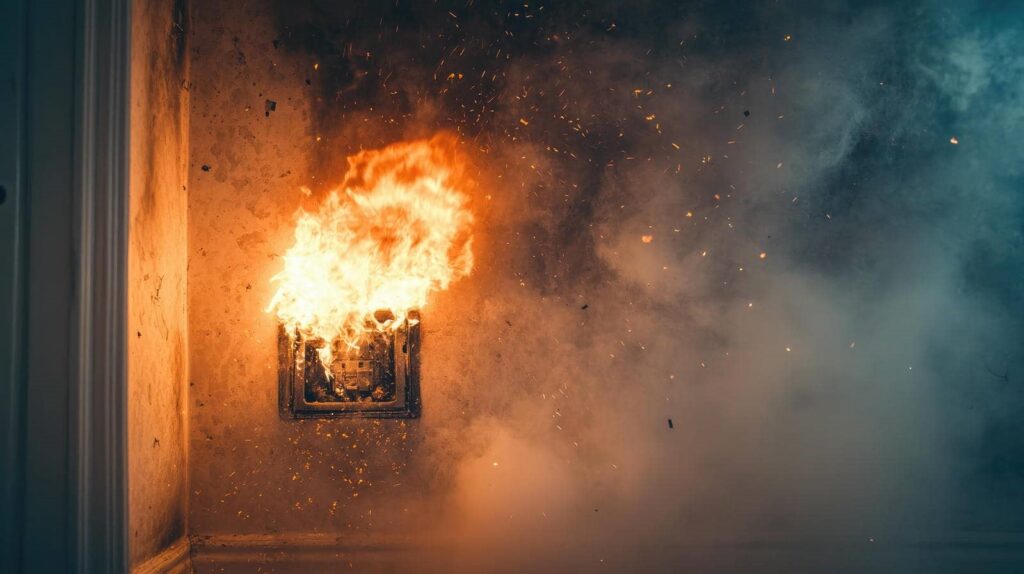
You might think smoke damage isn’t a big deal, but it can have serious implications for your property and health. Understanding the various types of smoke damage and their repair costs is essential for effective restoration. Factors like material damage, labor, and specialized services can greatly influence expenses. Let’s explore how these elements come together to shape your repair options, ensuring you make informed decisions when faced with such a situation.
Key Takeaways
- Smoke damage repair costs vary based on damage severity, material types, and necessary cleanup techniques.
- Professional services often involve specialized equipment for effective soot and odor removal, impacting overall expenses.
- Insurance coverage can significantly affect repair costs; review policies for smoke damage exclusions and deductible amounts.
- DIY repairs may be cost-effective for minor issues, but professional expertise is crucial for complex smoke damage restoration.
- Quick action and thorough documentation of damages can minimize repair expenses and streamline insurance claims.
What Is Smoke Damage and Why It Matters
Smoke damage isn’t just an unsightly residue; it can have serious implications for your health and property. After a fire, smoke particles penetrate surfaces, compromising air quality and posing health concerns.
You might notice lingering odors that require specialized odor removal techniques to ensure a safe environment. Addressing smoke damage quickly is essential; the longer you wait, the more extensive the damage becomes, impacting the restoration timeline.
Structural integrity can also be compromised, leading to costly repairs down the line. To protect your home and loved ones, consider implementing prevention strategies, such as installing smoke detectors and maintaining a fire extinguisher.
Understanding these aspects can foster a sense of belonging and safety in your living space.
Understanding Different Types of Smoke Damage
When dealing with smoke damage, it’s essential to understand the various types you might encounter.
Each type can have distinct health impacts and requires specific cleanup and restoration methods.
Recognizing these differences helps you make informed decisions for effective recovery.
Types Of Smoke Damage
Understanding the different types of smoke damage is essential, as each type can affect your property in unique ways. Smoke types vary based on the fire source, impacting the materials in your home differently.
For example, fuel-based fires often leave oily residues, while electrical fires produce more acidic soot. This variation necessitates a thorough damage assessment and tailored cleaning methods.
Odor removal becomes vital, as lingering smells can affect your well-being. Your restoration timeline can also be influenced by these factors, especially if you’re filing insurance claims.
Knowing the material effects of smoke helps in planning effective repairs and ensuring your home feels like home again. Understanding these nuances fosters a sense of belonging and safety in your space.
Health Impacts Of Smoke
The health impacts of smoke can be profound, affecting both physical and mental well-being. Exposure to smoke often leads to respiratory issues, from chronic coughs to asthma exacerbations. Even short-term smoke inhalation can trigger these problems, but the long-term effects are more concerning.
You might face a heightened risk of developing serious conditions like lung disease over time. Additionally, the psychological toll can’t be overlooked; many experience anxiety, depression, or post-traumatic stress due to smoke-related incidents.
Acknowledging these mental health impacts is essential for recovery. If you or someone you know is dealing with smoke exposure, it’s important to seek medical advice and support to address both the physical and emotional repercussions effectively.
Cleanup And Restoration Methods
Smoke damage can vary considerably depending on the source and intensity of the fire, so it’s vital to identify the type of smoke residue before starting cleanup and restoration.
Different cleanup techniques, like dry or wet cleaning, are tailored to specific residues, such as oily or dry smoke. For instance, using specialized detergents can effectively lift stubborn soot from surfaces.
Once the initial cleanup is done, restoration strategies come into play, focusing on structural repairs, odor removal, and air quality improvement.
You’ll want to evaluate professional help, as their expertise ensures thorough restoration and peace of mind.
How Smoke Damage Affects Repair Costs
When a fire occurs, the extent of smoke damage can greatly influence repair costs, often leading to unexpected expenses.
Smoke penetration into walls, ceilings, and furnishings can create a complex challenge. This isn’t just about visible damage; the lingering odors require thorough odor removal strategies that can considerably increase costs.
Effective restoration demands specialized equipment and techniques, which adds to the overall expense. You might need to replace items that have absorbed smoke, further escalating your budget.
Understanding these factors helps you prepare for the financial impact of smoke damage repair.
What Affects the Cost of Smoke Damage Repairs?
Numerous factors influence the cost of smoke damage repairs, making it essential to assess each element carefully.
Understanding these cost factors helps you make informed decisions and set realistic expectations regarding repair timelines.
Severity of Damage: The extent of smoke penetration and soot residue greatly affects the repair process.
Materials and Labor: Costs can vary based on the materials needed for repairs and the expertise of the professionals involved.
Additional Services: If specialized cleaning or restoration services are required, this can increase overall expenses.
Average Costs for Smoke Damage Assessments
Understanding the average costs for smoke damage assessments is crucial for homeowners seeking to navigate the recovery process effectively.
Typically, you can expect to pay between $300 and $500 for a detailed assessment. This cost often includes various assessment techniques, such as visual inspections and air quality tests, to determine the extent of damage.
Professionals will also evaluate the need for smoke odor removal, which can appreciably impact overall costs.
Remember, investing in a thorough assessment ensures a complete understanding of the damage and also helps prevent future issues.
Repair Costs by Material Type
Following a thorough assessment, the next step is to evaluate repair costs based on the types of materials affected by smoke damage.
Different materials will have varying restoration pricing, influencing your overall expenses. Here’s what to take into account:
Material costs: Wood, drywall, and fabrics each carry unique prices for repair materials.
Insurance implications: Understanding your policy can help determine what’s covered and can ease financial stress.
Professional rates: Hiring experts can ensure a thorough job, but their fees vary based on complexity.
How Professional Cleanup Services Impact Smoke Damage Repair Costs
When you face smoke damage, the expertise of professional cleanup services can greatly influence repair costs.
Trained technicians utilize specialized equipment and techniques to remove soot and odors effectively, which can prevent further damage to your property.
Investing in these services ensures a thorough cleanup and may also save you money in the long run by addressing issues early.
Cleanup Expertise Matters
While smoke damage can seem overwhelming, turning to professional cleanup services can greatly influence your repair costs. Their expertise in cleanup techniques and restoration strategies ensures a thorough job and can also prevent future issues, ultimately saving you money.
They assess damage quickly, allowing for timely interventions.
Trained professionals utilize advanced methods to minimize loss.
Their experience can lead to more efficient repairs, reducing overall expenses.
Equipment and Techniques Used
Professional cleanup services employ specialized equipment and advanced techniques that directly influence smoke damage repair costs. Utilizing cutting-edge restoration technology, these professionals can assess and mitigate smoke damage efficiently.
High-powered air scrubbers and ozone generators remove lingering odors, while thermal foggers penetrate and neutralize affected materials. Regular equipment maintenance ensures that these tools operate at peak performance, minimizing downtime and maximizing effectiveness.
Investing in professional services speeds up the restoration process and reduces the risk of secondary damage. With trained technicians familiar with the latest methods, you’re assured of a thorough approach that respects your space.
Understanding Insurance Coverage for Smoke Damage
Understanding insurance coverage for smoke damage can be challenging, especially if you’re maneuvering through the complexities of your policy after a loss.
You’ll want to check your insurance policies closely, as coverage limits and smoke exclusions can greatly impact your restoration coverage. Familiarizing yourself with the claim processes can help you navigate filing timelines effectively.
- Review your deductible amounts to understand your out-of-pocket expenses.
- Look for policy endorsements that might enhance your coverage options.
- Be prepared for loss assessments, as they can influence premium adjustments.
Should You DIY or Hire a Pro for Smoke Damage Repairs?
When faced with smoke damage, how do you decide between tackling the repairs yourself or bringing in a professional? Evaluating your skills is essential.
DIY techniques can be cost-effective, especially for minor repairs like cleaning surfaces and replacing small fixtures. However, smoke damage often requires specialized knowledge and equipment to address underlying issues like odor removal and structural integrity.
Professional expertise ensures thorough restoration, preventing long-term problems that DIY efforts might overlook.
Consider your emotional and physical capacity for such a project, too; smoke damage can be overwhelming.
Ultimately, weigh the cost of hiring a pro against the potential risks of DIY. It’s about finding what feels right for you and your home’s well-being.
Tips to Minimize Smoke Damage Repair Expenses
Choosing to hire a professional for smoke damage repairs can be costly, but there are several strategies to help you minimize those expenses.
Implementing preventive measures and using effective restoration techniques can greatly reduce costs. Here are some practical tips:
Act quickly: The sooner you address smoke damage, the less extensive the repairs will be.
Document everything: Keep a detailed record of damages, which can help with insurance claims and possibly lower costs.
Consider professional consultations: Sometimes, an initial assessment can direct you to the most economical solutions.
Frequently Asked Questions
How Can I Prevent Future Smoke Damage?
To prevent future smoke damage, install smoke alarms in key areas and regularly check them. Maintain your ventilation systems to ensure proper airflow, reducing smoke accumulation. These steps create a safer, healthier living environment for you.
What Are the Health Risks Associated With Smoke Damage?
Smoke damage can lead to serious health concerns, like respiratory issues and long-term effects on lung function. You’ve got to be aware of these risks to protect yourself and your loved ones effectively.
Can Smoke Damage Affect Home Resale Value?
Yes, smoke damage can markedly lower your home’s resale value. During a home appraisal, potential buyers may notice repair estimates indicating extensive work needed, leading to reduced offers and lingering concerns about health and safety.
How Long Does Smoke Damage Repair Typically Take?
Smoke damage repair typically takes one to three weeks, depending on the extent. Effective smoke removal techniques can greatly impact restoration timelines, so it’s essential to act swiftly for a smoother recovery process.
Are There Tax Deductions for Smoke Damage Repairs?
Yes, you can often claim tax deductions for smoke damage repairs if you file insurance claims. However, tax implications depend on your situation, so consult a tax professional to ensure you navigate it properly and maximize benefits.
Conclusion
In traversing the complexities of smoke damage repair, you’re not just mending walls but also restoring peace of mind. While costs can escalate, understanding the factors at play empowers you to make informed decisions. Whether you choose to tackle repairs yourself or enlist professionals, acting quickly is key to minimizing damage and expenses. Remember, investing in expert help can be the lifeline that prevents a small spark from turning into a raging inferno of costs and complications.