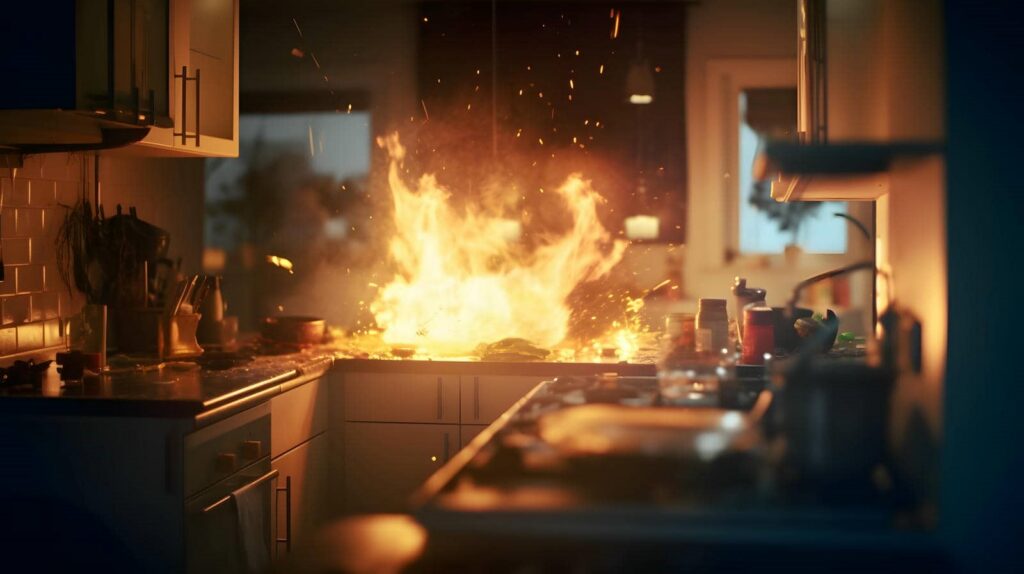
In the wake of a fire, the clock is ticking—like a time bomb, each moment you delay restoration can escalate risks. Ignoring fire damage isn’t just a matter of aesthetics; it threatens structural integrity and health. Toxic smoke lingers, and hidden damage can worsen. You need to act swiftly to protect your property and yourself. What should your first steps be to ensure safety and minimize costs?
Key Takeaways
- Ignoring fire damage can compromise structural integrity and create hidden hazards, jeopardizing safety.
- Delayed restoration increases costs and may lead to building code violations, worsening damage over time.
- Smoke and odor can linger, posing health risks and affecting property value if not addressed promptly.
- Professional assessments ensure thorough recovery, identify hidden damage, and support effective insurance claims.
- Immediate action enhances indoor air quality and provides peace of mind during the recovery process.
The Immediate Risks of Ignoring Fire Damage
When you ignore fire damage, you risk the structural integrity of your property and endanger your health. The aftermath of a fire can compromise crucial components like beams and walls, leading to potential collapses.
Conducting a thorough risk assessment is imperative; hidden hazards like smoke residue and toxic fumes can linger long after flames are extinguished. These hazards can affect indoor air quality and pose serious health threats.
Prioritizing fire safety means addressing these issues immediately to protect your loved ones and community. Delaying restoration invites further damage and increased costs.
Act now to ensure your space is safe and secure, fostering a sense of belonging and peace of mind for everyone involved.
How Delayed Restoration Leads to Bigger Problems
When you delay fire damage restoration, you risk compromising your property’s structural integrity.
As time passes, the damage worsens, leading to increased restoration costs that could have been avoided.
Acting quickly is essential to prevent further complications and protect your investment.
Structural Integrity Risks
Neglecting timely fire damage restoration can severely compromise the structural integrity of your property. The intense fire load can create structural weaknesses that undermine load-bearing elements and potentially lead to foundation damage.
If you delay restoration, you risk violating building codes designed to ensure safety. Repair techniques may become less effective over time, increasing the likelihood of long-term effects that could jeopardize your home’s stability.
Conducting thorough safety assessments is essential; without them, you might overlook critical issues that could escalate into more significant problems. Addressing these risks promptly safeguards your property and fosters a sense of belonging and security for you and your loved ones.
Don’t wait—act now to protect your home’s structural integrity.
Increased Restoration Costs
Fire damage restoration delays can greatly inflate your repair costs. When you postpone the restoration process, you risk significant cost escalation.
Smoke and soot continue to permeate materials, leading to more extensive damage that requires additional repairs. Mold can develop in as little as 24 hours, adding to the financial burden with costly mold remediation.
The longer you wait, the more complicated the restoration becomes, affecting your budget and your peace of mind. Timely action is essential; it minimizes damage, preserves your property’s value, and keeps your community intact.
Don’t let delays dictate your financial future—act swiftly to restore your home and safeguard your investment.
Types of Fire Damage Explained
When facing fire damage, it’s essential to understand the different types that can impact your property.
Smoke damage can linger long after the flames are out, affecting air quality and surfaces.
Additionally, structural damage poses serious risks, threatening the integrity of your building and requiring immediate attention.
Smoke Damage Effects
Although you might think the flames are the primary threat, smoke damage can be just as dangerous and pervasive. The effects of smoke damage often linger long after the fire is out, leading to serious health hazards. Here’s what you need to know:
Smoke Residue: This residue can cling to walls and furniture, requiring extensive soot cleanup.
Respiratory Issues: Inhalation of smoke particles can lead to chronic respiratory problems, impacting your health.
Odor Removal: The lingering smell of smoke can decrease property value and complicate insurance coverage.
Immediate air purification and professional restoration are essential to mitigate these effects.
Don’t wait; addressing smoke damage promptly protects your health and home.
Structural Damage Risks
While flames can quickly consume materials, the structural damage risks from a fire extend beyond the immediate burn. You must conduct thorough structural assessments to identify hidden foundation vulnerabilities.
Ignoring these issues can compromise fire safety and lead to severe long-term problems. Engineering evaluations are essential for understanding material degradation, ensuring that your building can withstand future stresses.
Without prompt action, you face significant renovation challenges and increased risks. Prioritizing building resilience through effective risk management strategies can prevent costly repairs down the line.
Don’t underestimate the importance of addressing structural damage quickly; it’s vital for maintaining the integrity of your property and ensuring the safety of everyone who uses it. Act swiftly to protect your investment and peace of mind.
Why You Should Get a Pro to Assess Fire Damage?
After a fire, evaluating the damage isn’t just important; it’s essential for your safety and recovery.
A professional evaluation ensures that you fully understand the extent of the fire damage and the necessary steps for restoration.
Here’s why you should hire an expert for a fire assessment:
Expertise: Professionals have the training to identify hidden damage that you might miss.
Safety: They can assess structural integrity, reducing the risk of further accidents.
Insurance Support: A detailed report aids in filing accurate claims, helping you get the support you need.
Getting a pro to assess fire damage isn’t just a good idea; it’s imperative for a thorough and safe recovery process.
Don’t take chances—prioritize your safety and the integrity of your home.
Why Quick Action Minimizes Costs and Losses
When fire strikes, acting quickly is essential to minimize costs and losses.
Immediate damage mitigation can stop further deterioration, while prompt action prevents secondary issues like mold and structural instability.
Additionally, swift response can strengthen your insurance claim, ensuring you receive the coverage you need.
Immediate Damage Mitigation
Immediate action is crucial in fire damage restoration; every minute counts. Quick response curtails further damage and greatly reduces overall costs.
When you act swiftly, you can focus on essential tasks:
Smoke Removal: Tackling smoke damage immediately prevents lingering odors and health hazards.
Odor Neutralization: Using specialized techniques right away stops odors from embedding into structures and belongings.
Structural Assessment: Early evaluation helps identify any potential risks, ensuring safety and guiding restoration efforts.
Preventing Secondary Issues
Quick action minimizes the risk of secondary damage and greatly cuts costs associated with fire restoration. When you respond swiftly, you effectively limit issues like mold growth and structural deterioration, which can escalate if neglected.
Implementing fire prevention strategies right after a fire can considerably enhance your restoration timeline, allowing professionals to address the damage before it worsens. By taking immediate steps, you protect your property and safeguard your wallet.
Insurance Claim Advantages
Taking swift action after a fire prevents secondary damage and plays a significant role in your insurance claims process.
Quick response can ensure you get the most out of your insurance coverage by streamlining the claim process. Here’s how:
Documentation Requirements: Promptly gather evidence of damage to meet your policy’s documentation requirements.
Adjuster Communication: Early restoration efforts demonstrate your commitment to recovery, aiding in effective adjuster communication.
Claim Negotiation: Addressing damage quickly can improve your benefit analysis, helping you negotiate better reimbursement strategies within your policy limits.
Understanding the Role of Insurance in Fire Restoration
When a fire devastates your property, understanding the role of insurance in the restoration process becomes fundamental.
First, review your policy to grasp your insurance coverage and identify any coverage exclusions. Knowing your policy limits is essential as it dictates the restoration benefits you can access.
Initiating the claim process promptly enhances your chances of a smooth recovery. Gather thorough claim documentation, including photos and receipts, to support your case.
Effective adjuster communication is critical; they’ll evaluate your claim and guide you through any complexities.
What to Do Right After a Fire?
After a fire, your immediate actions can greatly impact the restoration process. Prioritize safety and ensure you’re out of harm’s way. Here’s what to do:
Contact Emergency Services: Notify fire safety officials and ensure your evacuation plan is followed. Address any health assessments needed for you and your family.
Reach Out for Support: Connect with emotional support resources and community resources to navigate this difficult time.
Document Everything: Collect insurance documentation and begin cleanup procedures. This aids your recovery timeline.
Consider temporary housing if your home is uninhabitable.
Your proactive steps now can streamline restoration and help you regain a sense of normalcy. Don’t hesitate to lean on your community for support.
How Fire Damage Impacts Indoor Air Quality
Smoke and soot from fire damage can severely compromise indoor air quality, posing significant health risks. These residues release harmful indoor pollutants that linger long after the flames are extinguished. Breathing in these contaminants can lead to respiratory issues, allergic reactions, and long-term health problems.
Without proper air filtration, these pollutants can circulate throughout your home, affecting everyone in your space. It’s vital to act quickly to mitigate these risks.
Regular cleaning and effective air filtration systems can help remove these harmful particles, improving your indoor air quality. Remember, your well-being and that of your loved ones depend on a clean environment.
Prioritizing air quality after fire damage isn’t just necessary; it’s fundamental for a healthier home.
Benefits of Hiring Fire Damage Restoration Experts
Hiring fire damage restoration experts is essential if you want to ensure a thorough and efficient recovery process. These professionals bring invaluable benefits to your situation, including:
Expert Assessment: They conduct a detailed property evaluation to identify the extent of damage and develop a tailored restoration timeline.
Safety Protocols: Ensuring compliance with safety protocols minimizes risks associated with hazardous materials during cleanup processes.
Insurance Guidance: Experts assist in guiding you through the insurance claims process, helping you secure necessary funds while providing emotional support throughout the ordeal.
With their specialized equipment use and industry knowledge, they’ll restore your property effectively, allowing you to focus on rebuilding your life.
Trusting experts means you’re not alone in this challenging time.
Top 5 Mistakes to Avoid in Fire Damage Restoration
Restoring a property after a fire can be overwhelming, and missteps can complicate the recovery process.
First, don’t underestimate the significance of fire safety during cleanup; proper precautions are essential.
Second, avoid delaying smoke removal, as lingering odors can affect your restoration timeline and health.
Third, make sure you understand your insurance coverage; failing to document damage can lead to financial pitfalls.
Fourth, skip the equipment rental mistakes; using inadequate tools can prolong cleanup procedures and hinder recovery.
Finally, don’t overlook emotional support; connecting with community resources can help you navigate this challenging time.
Frequently Asked Questions
How Can I Prevent Future Fire Damage After Restoration?
To prevent future fire damage, implement fire safety protocols and regularly inspect your property. Install smoke detectors, maintain electrical systems, and establish clear prevention measures, ensuring everyone in your space understands their role in safety.
What Items Can I Salvage After a Fire?
After a fire, you can salvage items like furniture, electronics, and some personal belongings. Check your fire insurance for coverage. Follow restoration tips to assess damage and decide what’s worth saving, ensuring a smoother recovery process.
How Long Does the Restoration Process Typically Take?
Restoration timelines vary, often spanning days to weeks. After a thorough damage assessment, professionals prioritize urgent repairs first, ensuring safety while balancing the need to reclaim your home’s comfort and sense of belonging.
Will My Home’s Value Decrease After Fire Damage?
Yes, your home’s value can decrease after fire damage. Prompt property assessment and effective restoration, covered by home insurance, are essential to mitigate losses and maintain your investment’s worth. Act quickly to safeguard your home’s value.
Can I Handle Fire Damage Cleanup Myself?
You can handle fire damage cleanup yourself, but it’s risky. Prioritize fire safety and consider professional restoration techniques to ensure thorough recovery and prevent further damage. Your home’s integrity and your safety are paramount.
Review
In the aftermath of a fire, delaying restoration can lead to dire consequences for your property and health. Can you really afford to risk further damage and escalating costs by waiting? Taking immediate action protects your investment and secures a safer environment for you and your loved ones. Engaging professionals ensures thorough assessments and swift recovery, allowing you to reclaim your space with confidence. Don’t wait—prioritize fire damage restoration now.