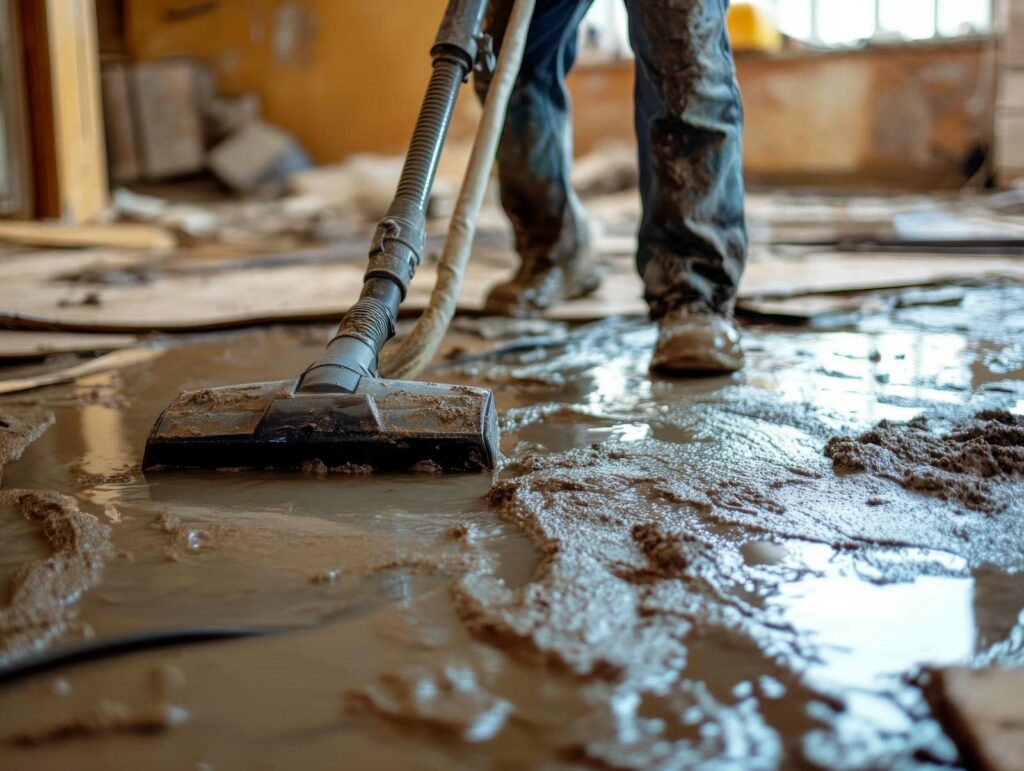
When you confront the aftermath of fire damage, your immediate focus should be on safety and restoration. You need to assess the property quickly while ensuring structural integrity, all while wearing protective gear. Each step is essential, from documenting damage for insurance claims to employing effective cleaning techniques. Understanding how to navigate this process can greatly influence your recovery. What comes next could shape your approach to both restoration and prevention in the future.
Key Takeaways
Assess property damage immediately using visual inspections and thermal imaging to identify risks and prioritize restoration efforts.
Document all damages with clear photos and detailed inventory lists to support insurance claims effectively.
Engage emergency services to evaluate hazards and follow their recommendations for immediate safety and response measures.
Implement effective cleaning techniques, focusing on residue removal and odor elimination, using appropriate cleaning agents.
Regularly test smoke detectors and inspect electrical systems to ensure safety and prevent future fire incidents.
Assess Your Property Damage Quickly and Safely
When a fire occurs, evaluating your property damage quickly and safely is essential to minimize further risks and losses.
Start by donning safety gear essentials, like gloves and masks, to protect yourself from harmful residues. Use damage evaluation techniques such as visual inspections and thermal imaging to identify affected areas. Document everything with photos for insurance purposes and future reference.
Focus on structural integrity; check for signs of weakening or instability. If possible, examine smoke and soot damage as well. Be cautious of hazardous materials and never enter areas that seem unsafe. Your safety comes first.
Secure Your Property Against Further Harm
To prevent further damage after a fire, securing your property is essential. Start by conducting a thorough hazard assessment to identify any lingering risks.
Establish property barriers using fireproof materials to deter intruders and protect remaining assets. Implement safety protocols by creating emergency plans for you and your family, ensuring everyone knows their roles.
Consider assembling disaster kits stocked with essentials, which can be invaluable during restoration timelines. Engage with community resources to access support and guidance, fostering a sense of belonging as you navigate this challenging time.
Contact Emergency Services and Professionals
After ensuring your property is secure from further damage, it’s essential to assess any immediate threats to safety.
Contact emergency services to evaluate the situation and locate fire damage restoration experts who can start the recovery process.
Prioritizing safety first protects you and sets the foundation for effective restoration.
Assess Immediate Threats
Although the chaos following a fire can be overwhelming, your first priority should be to assess immediate threats by contacting emergency services and professionals.
Begin with a thorough threat assessment to identify any lingering fire hazards, such as smoldering debris or structural instability. Don’t hesitate to call 911 if you sense danger; their expertise is critical in ensuring your safety and that of others.
Once emergency responders are on-site, they can help evaluate the situation and recommend next steps. This proactive approach protects lives and mitigates further damage to property.
Locate Fire Damage Experts
Once immediate threats have been assessed, locating fire damage experts becomes your next step. These restoration specialists are essential for effective recovery. Here’s how to proceed:
Contact Emergency Services: They can assist in securing the area and ensuring safety.
Seek Expert Evaluations: Restoration specialists will assess the extent of fire damage, helping you understand the recovery process.
Request Emergency Response: Choose professionals who offer 24/7 emergency services to address damage promptly.
Your choice of experts can greatly influence the restoration timeline and quality.
By connecting with qualified professionals, you’re not just ensuring safety; you’re fostering a sense of belonging through community support during a challenging time.
Don’t hesitate to reach out to those who understand your needs.
Ensure Safety First
Ensuring safety is your top priority when dealing with fire damage, so you should contact emergency services right away.
Follow established safety protocols to assess the situation without putting yourself in danger. If you’ve evacuated, verify everyone is accounted for and don’t re-enter the building until professionals declare it safe.
Familiarize yourself with evacuation procedures beforehand; knowing your exits can save lives.
Once you’ve contacted emergency services, reach out to fire damage restoration experts who can guide you through the recovery process. They’ll help mitigate further damage while prioritizing your safety and well-being.
Document Everything for Your Insurance
When you face the aftermath of a fire, it’s vital to document everything for your insurance claim. Proper insurance documentation can greatly ease your claim processes and ensure you’re compensated fairly.
Here are three key items to focus on:
Photographic Evidence: Take clear photos of all damage, both inside and outside your property.
Inventory List: Create a detailed list of damaged items, including descriptions, purchase dates, and estimated values.
Incident Report: Obtain a copy of the fire report from local authorities; it’s imperative for your claim.
This thorough documentation supports your claim and helps you feel more in control during a chaotic time.
Effective Cleaning Techniques for Restoration
When facing fire damage, your first step is evaluating the extent of the destruction to prioritize your cleaning efforts.
Choosing the right cleaning agents is essential, as different surfaces and materials require specific treatments to avoid further harm.
Finally, effective smoke removal techniques will help restore air quality and eliminate lingering odors, making your space livable again.
Assessing Fire Damage Thoroughly
As you begin to assess fire damage, it’s crucial to approach the situation with a clear and methodical mindset. Start by prioritizing safety protocols to protect yourself from potential health hazards.
Then, conduct a thorough damage assessment focusing on:
Structural Integrity: Check for any compromised beams or supports.
Fire Debris: Identify and document all fire debris for expert evaluations.
Smoke Damage: Assess walls and furnishings for smoke damage, which can impact restoration costs.
Understanding these elements will help establish a realistic restoration timeline and inform your insurance coverage discussions.
Choosing Proper Cleaning Agents
Selecting the right cleaning agents is essential for effective fire damage restoration.
You’ll want to prioritize chemical safety, ensuring that the agents you choose are safe for both your environment and your health. Look for eco-friendly options that minimize harm while maximizing effectiveness.
Pay attention to surface compatibility; not all agents work well on every material, so test in inconspicuous areas first.
Focus on effective residue removal, which is vital in eliminating smoke and soot stains.
Utilize proper application techniques, like using appropriate tools and methods, to enhance cleaning efficiency.
Techniques for Smoke Removal
Effective smoke removal is essential for restoring your space after a fire, especially since lingering odors and residues can pose health risks.
Here are three key techniques to help you achieve thorough smoke damage restoration:
Surface Cleaning: Use appropriate chemical treatments and DIY methods to scrub soot from walls, furniture, and floors, ensuring you cover all affected areas.
Ventilation Techniques: Open windows and use fans to facilitate air purification. This helps disperse lingering odors and moisture.
Professional Equipment: Consider renting or hiring professionals with specialized tools designed for odor removal and soot elimination. Their expertise can make a significant difference in restoring your environment.
Understanding Your Insurance Claims Process
Steering through the insurance claims process after a fire can feel overwhelming, especially when you’re already dealing with the stress of recovery.
Start by reviewing your insurance policy to understand your coverage limits and any policy exclusions. Document everything—photos and receipts are essential for meeting documentation requirements.
As you initiate your claim, pay attention to the claim timeline; timely submissions can expedite your recovery. Maintain clear adjuster communication, ensuring they’ve all necessary information for a thorough loss assessment.
Be prepared for settlement negotiation; knowing your policy details will empower you. Remember, this process aims to support your recovery, so don’t hesitate to seek guidance if you feel lost. You’re not alone in this journey.
Implement Prevention Strategies to Avoid Future Damage
While recovering from a fire, it’s crucial to implement prevention strategies that can help safeguard your home from future incidents.
By focusing on fire safety and conducting a thorough risk assessment, you can create a safer environment for you and your loved ones.
Here are three key strategies to take into account:
Install Smoke Detectors: Verify smoke detectors are placed in key areas and regularly tested to ensure functionality.
Create an Escape Plan: Develop and practice an escape plan with your family, emphasizing quick exits in case of an emergency.
Regularly Inspect Electrical Systems: Have a licensed electrician check your wiring and appliances to prevent electrical fires.
Implementing these strategies fosters a sense of security and belonging, making certain your home remains a safe haven.
Frequently Asked Questions
How Long Does Fire Damage Restoration Typically Take?
Fire damage restoration typically takes a few days to several weeks, depending on the extent of damage. Understanding the fire damage timeline helps you navigate the restoration process more smoothly, ensuring your home feels like home again.
What Should I Do if I Can’t Return Home?
If you can’t return home, seek temporary housing and contact your insurance provider to start claims. They’ll guide you through the process, ensuring you get the support needed during this challenging time. You’re not alone.
Are There Health Risks From Smoke Damage?
Yes, smoke damage poses serious health risks. You might experience immediate symptoms, but prolonged exposure can lead to long-term effects like respiratory issues. It’s essential to seek clean air and professional help to mitigate these dangers.
Can I Perform My Own Fire Damage Restoration?
Yes, you can attempt DIY restoration after fire damage, but it’s vital to assess safety first. Proper equipment and techniques are essential; otherwise, you risk further harm. Consider consulting professionals for extensive damage for better results.
How Much Will Fire Damage Restoration Cost?
Fire damage restoration costs vary widely, typically ranging from $1,000 to $8,000. Your insurance coverage greatly impacts this expense, so understanding the restoration process can help you navigate costs and ensure you’re supported effectively.
Summary
In the aftermath of a fire, think of your home as a phoenix—capable of rising anew from the ashes. By swiftly evaluating damage, securing your space, and documenting everything, you lay the foundation for recovery. Engaging professionals and understanding the insurance process are your guiding stars. As you implement prevention strategies, you’re not just restoring your home; you’re building a fortress of safety. Embrace this journey, and let resilience lead the way to a brighter future.