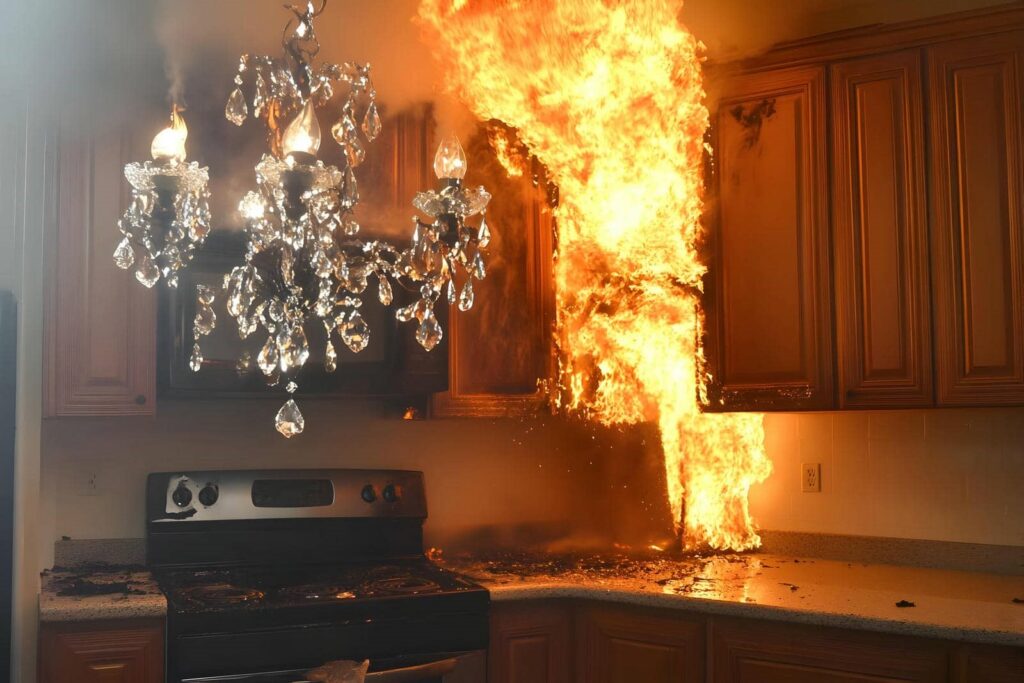
When a fire strikes, your immediate focus should be on safety. Once everyone’s accounted for, evaluating the fire damage becomes essential. You’ll need a clear plan to choose the right restoration services and document everything for your insurance. Each step in the process matters, from cleanup to repairs. Understanding these steps helps in recovery and prepares you for future prevention. So, what should you know next to ensure a thorough restoration?
Key Takeaways
- Prioritize safety by ensuring functioning smoke alarms and accessible fire extinguishers, and familiarize everyone with emergency protocols.
- Conduct thorough assessments of fire damage, focusing on structural integrity and hidden issues using tools like moisture meters.
- Choose licensed restoration services with transparency in pricing and strong experience for effective recovery.
- Document all damages meticulously, including photos and lists, to support insurance claims and facilitate the restoration process.
- Begin cleanup by removing hazardous debris and using appropriate techniques to restore air quality and affected surfaces.
First Things First: Get Everyone to Safety
When a fire breaks out, your first priority is ensuring everyone’s safety—this can’t be overstated. Familiarize yourself with safety protocols and make sure everyone knows the evacuation plans.
Quickly check smoke alarms to verify they’re functioning; they’re your first line of defense. If you have fire extinguishers, know their locations and how to use them effectively.
Maintain clear communication strategies to guide others calmly during the chaos. Have emergency contacts readily available for swift rescue operations if necessary.
After everyone is safe, assess anyone who may need first aid. Remember, your actions can save lives and foster a sense of belonging in your community, reinforcing the importance of preparedness for everyone involved.
How to Assess Fire Damage Quickly?
After ensuring everyone is safe, you need to assess the fire damage quickly and effectively.
Start with a thorough visual inspection, looking for signs of smoke, charring, and heat damage.
Then, evaluate the structural integrity of the building to determine if it’s safe to enter and begin the restoration process.
Visual Inspection Techniques
To effectively assess fire damage, you should begin with a thorough visual inspection of the affected areas. As you walk through, look for critical visual cues like charred surfaces, discoloration, and smoke stains. These indicators can reveal the extent of the damage and help prioritize your restoration efforts.
Utilize inspection tools such as moisture meters and thermal imaging cameras to gather more data, ensuring you don’t miss hidden damage behind walls or under floors. Take notes on your findings, emphasizing areas needing immediate attention.
Assessing Structural Integrity
Evaluating structural integrity is essential in the aftermath of a fire, and you can often gauge the damage quickly by focusing on three main areas: load-bearing walls, beams, and the foundation.
Start with a detailed structural assessment, looking for visible cracks, warping, or discoloration. These signs can indicate weaknesses that may compromise safety.
Next, examine the beams for signs of charring or stress; any significant damage here is a red flag.
Finally, inspect the foundation for cracks or shifts, as these can affect the entire structure.
How to Choose Fire Damage Restoration Services?
When choosing fire damage restoration services, you’ll want to prioritize companies that meet licensing and certification requirements.
Look for providers with proven experience and expertise in handling similar situations, as this can greatly impact the quality of restoration.
Additionally, make certain they offer transparent pricing and have insurance coverage to protect you from unexpected costs.
Licensing And Certification Requirements
Choosing the right fire damage restoration service can feel overwhelming, especially when you consider the importance of proper licensing and certification.
First, check for compliance with local regulations and verify the company holds valid licenses from recognized licensing agencies. These credentials signify adherence to certification standards essential for effective restoration.
Look for industry credentials that reflect ongoing training requirements, which indicate that the team stays updated on best practices and safety protocols. This isn’t just about paperwork; it’s about your peace of mind.
By selecting a service that prioritizes regulatory compliance, you’re safeguarding your property and ensuring that skilled professionals handle the restoration with care and expertise.
You deserve this level of assurance during a challenging time.
Experience And Expertise Levels
Selecting a fire damage restoration service hinges on evaluating their experience and expertise levels.
Begin with an expertise assessment; inquire about their professional qualifications and previous projects. Consider their experience levels—how long have they been in the industry? This can indicate their familiarity with various restoration techniques.
Verify they follow industry standards and participate in ongoing training programs, highlighting their commitment to skill development. Certification importance shouldn’t be underestimated, as certified professionals are often better equipped to handle complex situations.
Insurance And Pricing Transparency
How can you ensure that you’re getting quality fire damage restoration and a fair deal? Start by understanding your insurance coverage options. Review your policy to see what’s included for fire damage restoration.
When you contact restoration services, ask them how they handle claim processes. A transparent company will help you navigate through your insurance, ensuring you maximize your benefits.
Request detailed estimates that break down costs, so you know what you’re paying for. Don’t hesitate to compare multiple quotes. This helps you find a fair price and builds trust in the services you choose.
Document Fire Damage for Insurance Claims
After a fire, documenting the damage is essential for a successful insurance claim. Start by taking clear, detailed photos of all affected areas and items. Capture various angles and close-ups to showcase the extent of the destruction.
Make a list of damaged belongings, including their approximate value, as this will strengthen your insurance documentation. Note any structural damage, like charred walls or compromised roofs, and keep records of any temporary repairs you make.
This thorough documentation will help you navigate the claim process with confidence. Remember, your insurance adjuster will rely on this information to assess your claim accurately, so be diligent and organized.
You’re not alone in this; many have faced similar challenges and emerged resilient.
Begin Cleanup: Removing Debris and Soot
Once you’ve documented the fire damage, it’s time to tackle the cleanup process, starting with debris and soot removal.
Begin by evaluating the area for hazardous debris, ensuring you’ve got the right restoration equipment on hand. Prioritize debris removal to eliminate potential fire hazards, creating a safer environment.
For soot cleanup, use appropriate techniques and tools to avoid spreading contaminants. It’s essential to focus on air quality; consider using air scrubbers to filter out harmful particles.
As you work, identify salvageable items that can be restored, adding a sense of hope to the process.
Repairing Fire Damage: Steps for Restoration
While the debris and soot may have been cleared, the next critical phase involves repairing fire damage to restore your space effectively.
Start by addressing thermal damage; inspect walls, ceilings, and structural elements for integrity. Replace any compromised materials to ensure safety.
Next, tackle the lingering smoke odor. Thoroughly clean surfaces using specialized solutions designed to neutralize smoke particles. You may also need to evaluate professional odor removal services for persistent smells.
Don’t forget to check your HVAC system, as it can harbor smoke residue.
Finally, repaint and refinish surfaces to bring back the warmth and comfort of your home. Your space deserves to feel whole again, and these steps can help create that sense of belonging.
Fire Safety Tips: Preventing Future Incidents
To ensure your home remains safe from future fires, it’s essential to implement proactive measures that address potential hazards.
Start with fire prevention by installing smoke alarms on every floor and checking them monthly. Equip your home with fire extinguishers, ensuring they’re easily accessible.
Regularly conduct family drills to familiarize everyone with escape routes and emergency plans. Cultivate hazard awareness by identifying risks like overloaded outlets and flammable materials.
Utilize community resources, such as fire safety workshops, to enhance your knowledge and preparedness. Remember, safety equipment is only effective if you use it correctly.
Frequently Asked Questions
How Long Does Fire Damage Restoration Typically Take?
Fire damage restoration typically takes days to weeks, depending on the extent of the damage. You’ll navigate a detailed fire damage timeline, ensuring every step of the restoration process prioritizes your home’s recovery and your peace of mind.
What Costs Are Involved in Fire Damage Restoration?
Restoration pricing varies widely, often reflecting the damage assessment’s complexity. Think of it like rebuilding a cherished treehouse; costs can soar with extensive repairs, but every dollar ensures your safe, welcoming home again.
Can I Stay in My Home During Restoration?
You might need temporary housing during restoration, depending on fire safety concerns. Your home could contain hazardous materials or structural damage. Prioritize your safety and well-being while ensuring your space is properly restored.
Will Insurance Cover All Fire Damage Restoration Expenses?
Insurance often covers fire damage restoration, but it varies by policy. Many homeowners underestimate coverage limits. Review your insurance policies carefully to ensure you’re adequately protected and can restore your home effectively.
How Can I Prevent Mold After Fire Damage?
To prevent mold after fire damage, prioritize moisture control and ventilation. Use mold prevention strategies like dehumidifiers and thorough drying. Follow fire recovery tips, and don’t hesitate to consult professionals for extensive assistance.
Recap
In the aftermath of a fire, remember that restoration is more than just repairs; it’s about reclaiming your home and peace of mind. Like a phoenix rising from the ashes, your space can be renewed and revitalized. By following these steps and working with professionals, you can ensure a thorough recovery process. Stay vigilant, keep safety in mind, and take proactive measures to prevent future incidents. Your journey to a safer, restored home starts now.