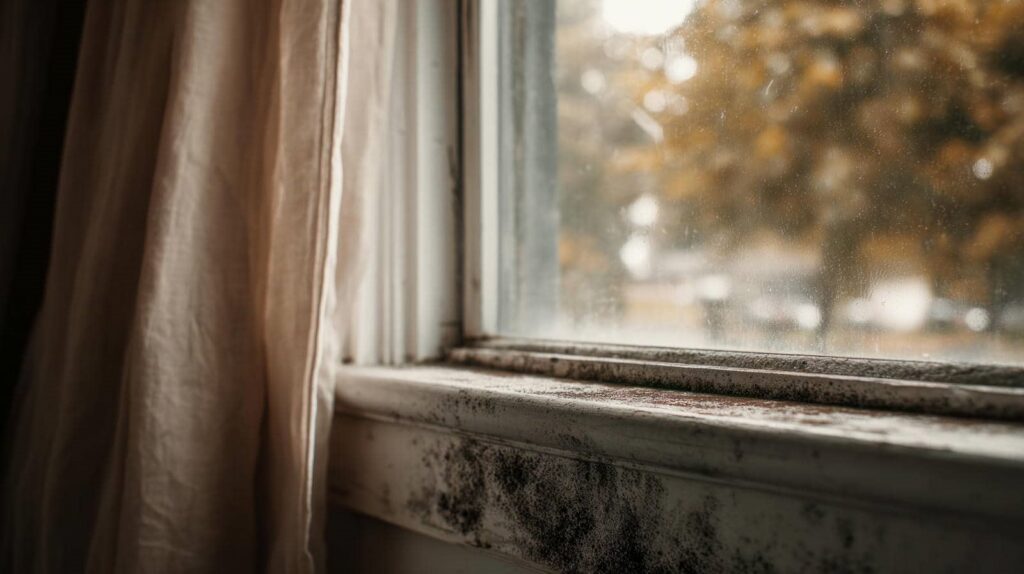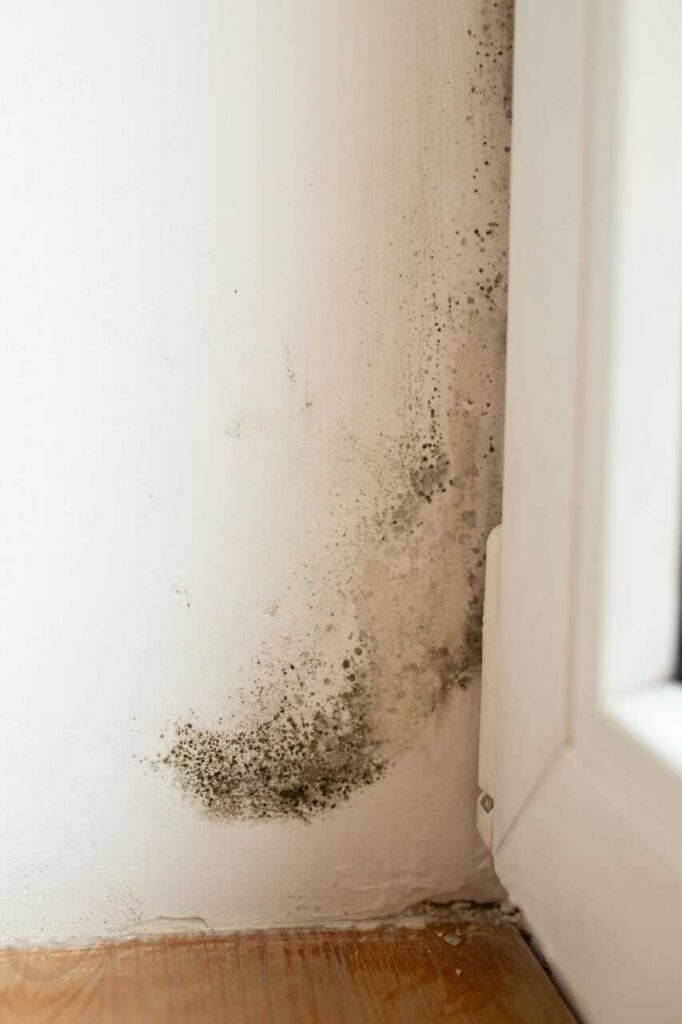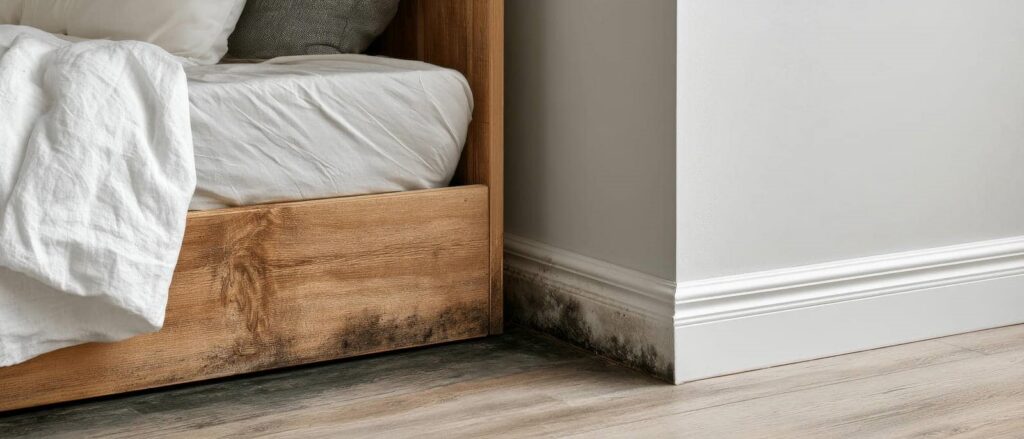
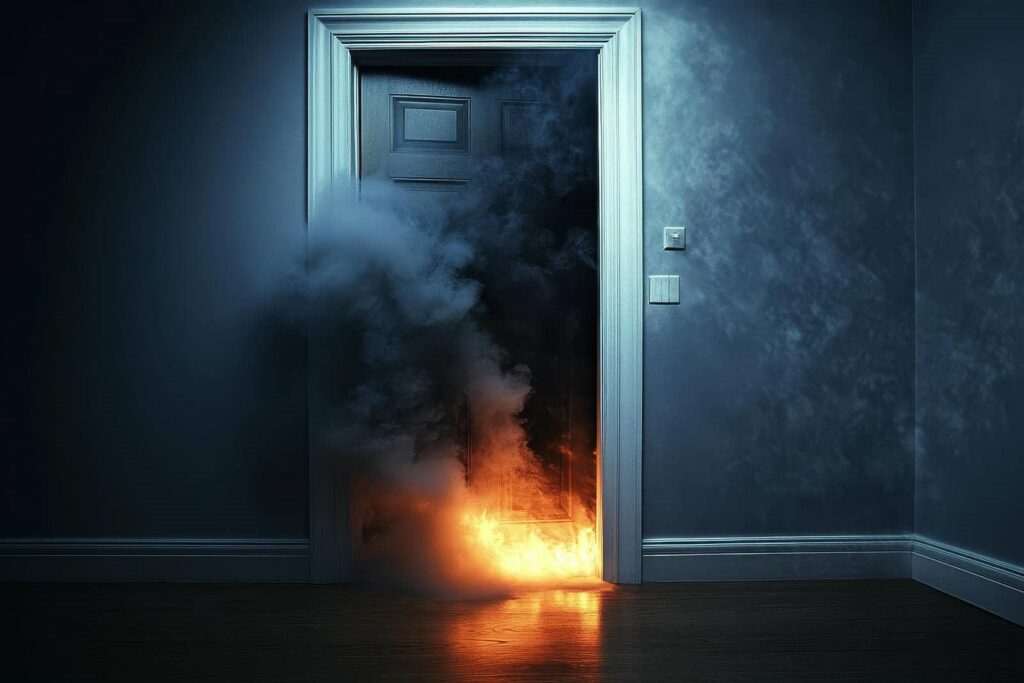
When dealing with smoke damage, it’s essential to understand the specific residues involved and the most effective cleanup methods. You need to identify the surfaces affected and select appropriate cleaning solutions, whether natural or commercial. Before you start, ensuring your safety is paramount. As you begin the process, knowing the right techniques will make a significant difference in your restoration efforts. Understanding these steps can prepare you for what comes next.
Key Takeaways
Assess the Damage: Begin with a thorough assessment of smoke damage, identifying affected areas and types of residues present.
Use Natural Cleaners: Employ vinegar and baking soda to effectively neutralize odors and clean surfaces without harsh chemicals.
Specialized Products: Utilize commercial smoke residue removers and enzymatic cleaners designed to break down soot and tar buildup.
Deep Clean Fabrics: Wash or steam clean all fabrics, including curtains and upholstery, to remove trapped smoke particles and odors.
Install Air Purifiers: Use HEPA-filter air purifiers to continuously capture and eliminate smoke particles, improving indoor air quality.
What You Need to Know About Smoke Damage
When a fire occurs, understanding smoke damage is vital, as it can affect both your property and health.
Smoke particles, often microscopic, can infiltrate surfaces, leaving a residue that’s challenging to remove. These particles contain harmful chemicals that pose significant health risks, including respiratory issues and skin irritation.
You mightn’t see the damage immediately, but it can linger long after the flames are extinguished. It’s important to recognize that even small amounts of smoke can cause long-term effects if not addressed promptly.
When dealing with smoke damage, prioritize thorough assessment and proper cleanup techniques to safeguard your environment.
Essential Safety Precautions Before Cleanup
Smoke damage cleanup poses inherent risks, making safety precautions essential before you start the process.
First, equip yourself with proper safety gear, including gloves, masks, and goggles. This gear protects you from harmful residues and irritants.
Next, assess the air quality in the affected area. Use an air purifier to minimize inhalation of toxic particles. Ensure proper ventilation by opening windows and using fans, but avoid creating drafts that could spread contaminants.
Check for structural damage before entering; a compromised area can pose additional hazards.
Finally, consider the potential presence of hazardous materials, like asbestos, which may require professional assessment.
Taking these steps helps create a safer environment, allowing you to tackle cleanup more effectively and confidently.
Step-by-Step Smoke Damage Cleanup
To begin the smoke damage cleanup process, you must first assess the extent of the damage throughout the affected area.
Once you have a clear understanding, focus on cleaning all impacted surfaces using appropriate techniques and materials.
Finally, implement strategies to prevent future odors, ensuring a thorough restoration of your space.
Assessing Damage Extent
Evaluating the extent of smoke damage is crucial for effective cleanup and restoration. Start by identifying the damage types, which can include soot residue, discoloration, and lingering odors.
Use assessment tools like moisture meters and infrared cameras to pinpoint affected areas. Inspect surfaces, including walls, ceilings, and furniture, as smoke can infiltrate porous materials.
Document your findings meticulously, noting the severity and specific locations of damage. This structured approach ensures you prioritize areas needing urgent attention.
Cleaning Affected Surfaces
Once you’ve assessed the damage, the next step involves cleaning the affected surfaces thoroughly to restore your space.
You’ll want to use effective cleaning techniques tailored to various surface materials. Follow these steps:
Dust and Vacuum: Start by removing loose soot with a vacuum cleaner equipped with a HEPA filter. This prevents further spreading of particles.
Choose the Right Cleaner: For walls and ceilings, use a mixture of warm water and a mild detergent.
For furniture, opt for a specialized upholstery cleaner.
- Scrub and Rinse: Gently scrub surfaces with a soft cloth or sponge, then rinse with clean water to remove any residue.
Preventing Future Odors
While cleaning surfaces is essential, tackling lingering odors from smoke damage requires a systematic approach to ensure a fresh, odor-free environment.
Start by applying odor neutralization techniques like activated charcoal or baking soda in affected areas. These substances absorb odors effectively.
Next, ensure proper ventilation by opening windows and using fans to circulate air, which helps dissipate smoke particles.
For long-term prevention strategies, consider using an air purifier equipped with HEPA filters to trap remaining odor-causing particles.
Seal any porous surfaces with a primer designed for smoke damage, preventing odors from resurfacing.
Regularly inspect your home for signs of moisture, as damp environments can exacerbate odors.
Following these steps will help you maintain a clean, inviting space for everyone.
Best Cleaning Products for Smoke Damage Residue
When tackling smoke damage residue, you’ll need effective cleaning products to restore surfaces.
Natural cleaning solutions can be a safe choice for delicate materials, while recommended commercial products often provide stronger results for tougher stains.
Understanding the best options will ensure you effectively eliminate odors and residues without causing further damage.
Natural Cleaning Solutions
If you’re dealing with smoke damage, using natural cleaning solutions can effectively break down stubborn residue without the harsh chemicals often found in commercial products.
Here are three reliable methods:
Vinegar Solution: Mix equal parts of white vinegar and water in a spray bottle. This solution neutralizes odors and cleans surfaces effectively.
Baking Soda: Sprinkle baking soda on affected areas, let it sit for a few hours, then vacuum. This absorbs odors and lifts residue.
Castile Soap: Combine a few drops of Castile soap with warm water. Use this mixture for scrubbing surfaces, providing a gentle yet effective clean.
These methods cleanse and contribute to a healthier environment for you and your loved ones.
Recommended Commercial Products
After utilizing natural cleaning solutions for smoke damage, you might find that some residues require stronger intervention. For these tough situations, consider using commercial odor neutralizers specifically designed to combat lingering smells.
Products like enzymatic cleaners break down organic compounds effectively, ensuring no trace of smoke remains. Additionally, invest in high-quality smoke residue removers that target soot and tar buildup on various surfaces.
Look for options that are non-toxic yet powerful, allowing for safe application in homes. Always follow the manufacturer’s instructions for ideal results, and test on a small area first.
How to Remove Odors After Smoke Damage?
Removing odors after smoke damage requires a systematic approach to effectively eliminate lingering smells that can permeate surfaces and fabrics. Follow these steps to restore your space:
Use Odor Neutralizers: Apply specialized odor neutralizers on affected surfaces. These products chemically bind with odor molecules, neutralizing them rather than just masking the smell.
Install Air Purifiers: Set up high-quality air purifiers equipped with HEPA filters. These devices capture smoke particles and improve air quality, helping to remove persistent odors.
Deep Clean Fabrics: Wash or steam clean curtains, upholstery, and carpets. This removes trapped smoke particles, allowing your home to breathe fresh air again.
With these methods, you’ll reclaim a clean, inviting environment after smoke damage.
Preventing Future Smoke Damage in Your Home
To effectively prevent future smoke damage in your home, it’s vital to implement proactive measures that address potential fire hazards.
Start by installing smoke alarms on every level of your home and testing them regularly to confirm they’re functional.
Next, make sure your ventilation systems are clean and operational; this helps reduce smoke accumulation during any incident.
Consider investing in fireproof materials for key areas, like kitchens and attics, to minimize damage risk.
Regular maintenance of heating appliances and electrical systems is critical, too; faulty wiring or neglected equipment can lead to fires.
When to Hire Smoke Damage Restoration Experts
Determining when to hire smoke damage restoration experts can greatly impact the recovery process for your home. Here are three key scenarios to take into account:
Extensive Damage: If you notice significant smoke damage, such as charring or deep stains, expert intervention is essential for proper restoration.
Health Concerns: If you or your family members experience respiratory issues or allergies post-incident, specialists can ensure thorough cleanup and air quality improvement.
Insurance Claims: When filing insurance claims, professionals can provide detailed assessments and documentation, supporting your case for coverage.
In these situations, seeking emergency response from trained experts will expedite recovery and give you peace of mind, helping your family return to normalcy faster.
Frequently Asked Questions
How Long Does Smoke Damage Cleanup Typically Take?
Smoke damage cleanup typically takes several days to weeks, depending on the severity. You’ll need to use specialized cleanup methods to eliminate smoke odor effectively, ensuring a thorough restoration of your space. Patience is key.
Can I Clean Smoke Damage Myself?
Yes, you can clean smoke damage yourself using DIY methods. Gather appropriate cleaning supplies like vinegar, baking soda, and specialized cleaners. Follow detailed instructions, ensuring thoroughness to restore your space effectively and regain a fresh atmosphere.
What Are the Health Risks of Smoke Damage?
Smoke damage poses serious health risks, including respiratory issues like asthma and chronic bronchitis. Long-term effects can lead to reduced lung function and increased vulnerability to infections, affecting your overall well-being and quality of life.
Will Homeowner’s Insurance Cover Smoke Damage Cleanup?
Yes, homeowner’s insurance often covers smoke damage cleanup. To navigate the claims process, review your policy’s details and gather documentation, ensuring you maximize your insurance coverage for a smoother recovery experience.
How Can I Assess the Extent of Smoke Damage?
Start by sniffing for smoke odor, then inspect surfaces for signs of soot. Document discoloration and damage assessment systematically, noting areas needing attention. Engage professionals for thorough evaluations, ensuring nothing’s overlooked in your home’s recovery journey.
Wrap-Up
So, you’ve battled the inferno and now face the aftermath of smoke damage. Congratulations! You’ve officially joined the elite club of DIY disaster recovery. Just remember, while mixing vinegar and baking soda might make you feel like a kitchen chemist, it won’t replace the expertise of professionals when the soot becomes a stubborn houseguest. If your walls start resembling a Jackson Pollock painting, it might just be time to call in the cavalry. Happy cleaning!