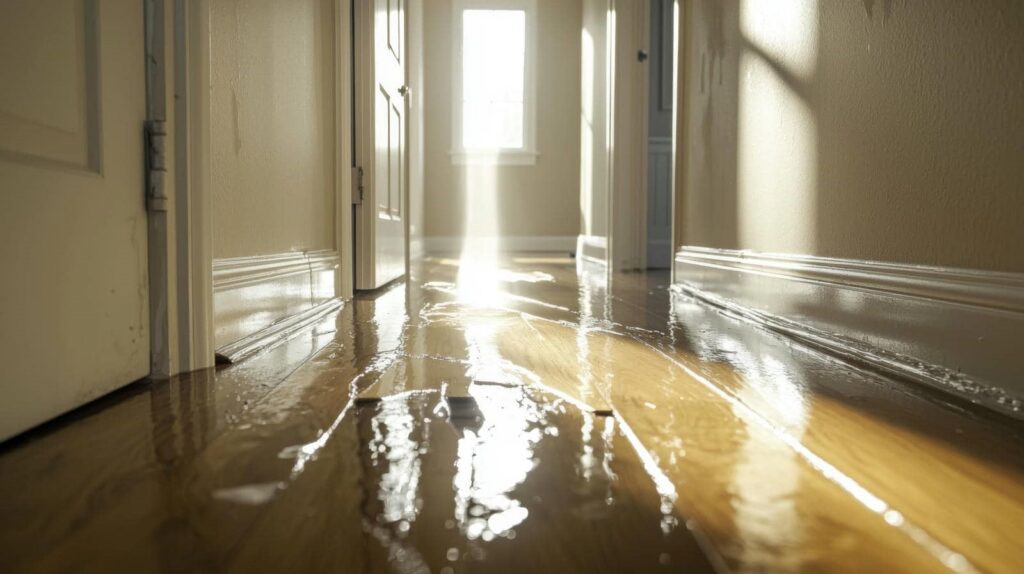
Emergency sewage cleanup presents a stark contrast between immediate action and potential health hazards. When faced with a sewage spill, your priority should be safety, as exposure to harmful pathogens can lead to serious health risks. Knowing the right protocols can make all the difference. What essential steps should you take to protect yourself and your environment? Understanding these can safeguard your health and prevent long-term consequences.
Key Takeaways
- Exposure to sewage pathogens can lead to serious health issues, including infections and respiratory problems, making safety a top priority.
- Personal protective equipment (PPE) significantly reduces the risk of direct contact with harmful contaminants during cleanup.
- Professionals possess specialized training and equipment to ensure thorough and safe sewage remediation.
- Quick action and proper safety measures minimize health risks and prevent extensive property damage.
- Understanding and addressing contaminants helps assess risks effectively, ensuring a safer cleanup environment.
What Health Risks Should You Know About Sewage Exposure?
When you come into contact with sewage, understanding the health risks is essential. Sewage pathogens, including bacteria, viruses, and parasites, pose serious threats to your health.
Exposure can lead to various health symptoms, such as gastrointestinal issues, respiratory problems, and skin infections. You mightn’t realize it, but even brief contact can result in long-term consequences. Symptoms can range from mild, like nausea and diarrhea, to severe, necessitating medical attention.
Awareness of these risks is vital for everyone involved in cleanup efforts, fostering a sense of community responsibility. Protecting yourself and others means recognizing the dangers associated with sewage exposure.
Essential Safety Gear for Sewage Cleanup
When tackling sewage cleanup, using the right safety gear is essential to protect yourself from health hazards.
You’ll need personal protective equipment, respiratory protection gear, and proper footwear to minimize exposure to harmful contaminants.
Ensuring you’re equipped with these essentials can greatly reduce the risk of injury or illness during the cleanup process.
Personal Protective Equipment
Personal protective equipment (PPE) is essential for anyone involved in sewage cleanup. Following proper PPE guidelines helps protect you from harmful pathogens and contaminants associated with varying contamination levels.
Start with durable gloves and waterproof boots to shield your skin from direct contact with sewage. A full-body suit provides an additional layer of protection, minimizing the risk of exposure.
Remember, face shields or goggles are important for safeguarding your eyes from splashes. Each piece of PPE plays a significant role in ensuring your safety and health during cleanup.
Respiratory Protection Gear
While handling sewage cleanup, ensuring adequate respiratory protection is vital for your safety. Sewage often contains harmful bacteria and gases that pose serious respiratory hazards.
Using protective masks specifically designed for sewage cleanup can markedly reduce your risk of inhaling these dangerous substances. Look for masks with high-efficiency particulate air (HEPA) filters to ensure maximum protection.
It’s important to fit-test these masks properly, as a secure seal prevents contaminants from entering. Regularly inspect your gear for wear and tear; even the best masks can fail if not maintained.
Proper Footwear Choices
Choosing the right footwear is essential for safety during sewage cleanup, as inadequate protection can lead to serious health risks.
You need footwear that meets safety standards and is made from durable, waterproof materials. Rubber boots are often the best choice, providing a barrier against contaminants while ensuring slip resistance.
Look for options with reinforced toes and high shafts to protect against splashes and punctures. Remember, breathable materials can help keep your feet comfortable during long hours of work.
Prioritizing proper footwear protects your health and fosters a sense of belonging in a community that values safety and responsibility.
Equip yourself with the right gear to confidently tackle the challenges of sewage cleanup.
Why Hiring Professionals for Sewage Cleanup Is Essential
When dealing with sewage cleanup, the health risks are significant, and you can’t afford to underestimate them.
Professionals understand these dangers and utilize the proper equipment to ensure safety and efficiency.
Health Risks Involved
Understanding the health risks involved in sewage cleanup is essential, especially since exposure to contaminated waste can lead to serious illnesses.
Sewage pathogens and various contamination sources pose significant dangers that you shouldn’t underestimate. Here are three key health risks:
Infections: Bacteria like E. coli and viruses can cause gastrointestinal issues and more severe infections.
Respiratory Problems: Inhalation of aerosolized pathogens can lead to respiratory illnesses, especially in vulnerable populations.
Skin Irritation: Direct contact with sewage can cause rashes, infections, and other skin conditions.
Given these risks, hiring professionals for sewage cleanup is vital.
They’re trained to handle contamination safely, protecting both you and your environment from dangerous pathogens.
Don’t take chances—safety should always come first.
Proper Equipment Utilization
While many homeowners might consider tackling sewage cleanup on their own, the reality is that proper equipment utilization is vital for effective and safe remediation.
Professionals bring specialized tools and gear designed for this kind of hazardous work, ensuring thorough and efficient cleanup. They also undergo rigorous safety training, equipping them with the knowledge to handle dangerous materials safely.
Additionally, regular equipment maintenance is important; professionals make sure that their tools are in peak condition, reducing the risk of accidents and inefficiencies.
Identifying Common Contaminants in Sewage
Identifying common contaminants in sewage is essential for ensuring safety during cleanup operations. Understanding these contaminant types helps you assess risks effectively and implement appropriate sanitation measures.
Here are three major sewage pathogens you should be aware of:
Bacteria: Commonly found in sewage, these pathogens can lead to serious infections.
Viruses: Resistant to many cleanup procedures, they pose a significant health risk.
Parasites: Often overlooked, these organisms can have long-term environmental impacts.
How Contaminants Affect Health During Sewage Cleanup
Contaminants in sewage can considerably impact your health during cleanup efforts, leading to a range of acute and chronic illnesses. Various contaminant types, such as bacteria, viruses, and chemicals, pose significant risks.
Exposure can result in health symptoms like gastrointestinal distress, respiratory issues, and skin irritations. You might even experience more severe effects if you’re exposed to toxic substances over time.
It’s vital to understand that even small amounts of these contaminants can lead to serious health concerns. By recognizing these risks, you can take appropriate precautions to protect yourself and others.
Prioritizing safety ensures that your cleanup efforts don’t compromise your health, fostering a shared commitment to a safe environment for everyone involved.
What to Do in Case of a Sewage Spill?
In the event of a sewage spill, immediate action is vital to minimize health risks and property damage. Follow these steps for an effective spill response:
Evacuate the Area: Make sure everyone leaves the contaminated zone to avoid exposure to harmful pathogens.
Alert Authorities: Contact your local health department or environmental agency to report the spill and seek guidance on cleanup procedures.
Wear Protective Gear: Use gloves, masks, and boots to shield yourself from contaminants while handling the cleanup.
Acting quickly and efficiently is essential. Ignoring a sewage spill can lead to serious health issues and costly repairs.
Best Practices to Prevent Sewage Issues
To effectively prevent sewage issues, regular maintenance and proactive measures are essential.
Start by implementing sewage prevention strategies, such as scheduling routine inspections of your plumbing system. Look for signs of leaks or blockages, and address them promptly.
Use regular maintenance tips like avoiding flushing non-biodegradable items and being mindful of what goes down your drains. Additionally, consider installing drain screens to catch debris.
Keep your sewer lines clear by periodically using enzymatic cleaners that break down buildup.
Finally, ensure that your property has proper drainage systems to divert rainwater away from sewer lines.
Where to Find Professional Sewage Cleanup Services
How can you ensure you’ve chosen the right professional sewage cleanup service? Selecting local providers who meet your needs is essential, especially during emergencies.
Here are three key factors to take into account:
Emergency Response: Confirm they offer 24/7 services for immediate assistance in case of sewage issues.
Cleanup Techniques: Investigate their methods for contamination assessment and adherence to health regulations. Effective techniques reduce health risks.
Service Costs and Equipment Rentals: Compare pricing structures and find out if they provide necessary equipment rentals for efficient cleanup.
Frequently Asked Questions
How Can I Prepare My Home for Potential Sewage Emergencies?
To prepare your home for potential sewage emergencies, implement sewage prevention tips like regular inspections, maintain drainage systems, and establish home safety measures such as emergency kits and clear evacuation routes for your family’s protection.
What Are the Signs of Sewage Contamination in My Property?
You’ll notice dark stains, a foul sewage odor, or sluggish drains; these signs hint at potential contamination. Ignoring them can lead to serious health risks, so stay vigilant and act quickly to protect your home.
How Long Does Sewage Cleanup Typically Take?
Sewage cleanup duration varies, typically taking a few hours to several days. Factors influencing cleanup include contamination extent, property size, and materials involved. You’ll want to assess these elements for a clearer timeline.
Can I Handle Sewage Cleanup Without Professional Help?
You can handle sewage cleanup without professional help, but it’s risky. Without proper personal protective gear, you expose yourself to serious health risks. Consider professional assistance for safety and effective cleanup to protect your well-being.
What Should I Do With Contaminated Belongings?
When dealing with affected items, conduct a thorough contamination assessment. For belongings that can’t be salvaged, follow proper disposal guidelines to ensure safety and minimize risks. Prioritize your well-being while handling these sensitive situations.
Review
Prioritizing safety in emergency sewage cleanup is vital for protecting your health and the environment. By understanding health risks, using essential safety gear, and recognizing contaminants, you empower yourself to act decisively. Hiring professionals ensures a thorough cleanup and minimizes risks. Remember, quick action prevents property damage, safeguards public health, and fosters a cleaner environment. So, when faced with a sewage spill, act wisely, gear up, and reach out for help to secure a safe resolution.