When you face fire damage, knowing the restoration process can feel overwhelming. First, it’s vital to assess the extent of the damage and protect your property. Safety is paramount, as hidden hazards can lurk in the debris. As you navigate through smoke, soot, and water damage, understanding each step is necessary for effective recovery. What follows is a detailed exploration of the methods and techniques that ensure your home is restored to its former state.
Key Takeaways
- Ensure safety first by avoiding the building until professionals declare it safe and using PPE during the restoration process.
- Conduct a thorough assessment of fire damage, documenting findings visually for insurance claims and recovery planning.
- Address water damage from firefighting efforts by implementing drying techniques and assessing structural integrity for hidden damage.
- Utilize appropriate restoration techniques for various materials, such as dry cleaning for fabrics and chemical cleaners for hard surfaces.
- Implement preventative measures to minimize future risks, including installing smoke detectors and creating an escape plan for occupants.
Immediate Steps to Take After Fire Damage
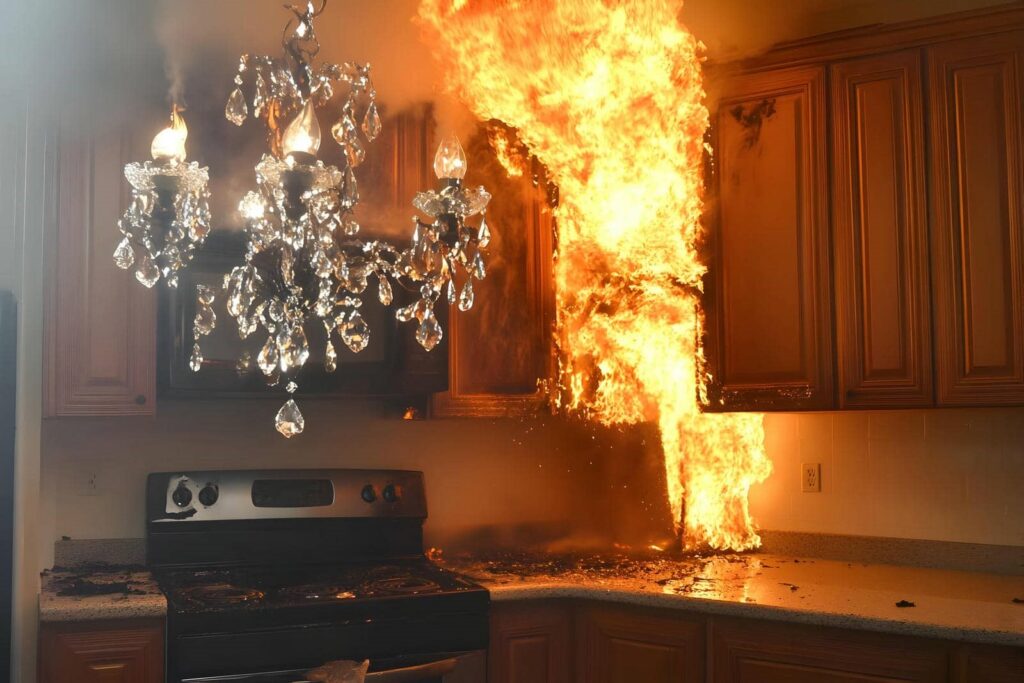
After a fire, it’s crucial to act quickly to minimize damage and ensure safety. Start by ensuring everyone’s safe and accounted for; your first priority is fire safety. Avoid re-entering the building until professionals declare it safe.
Next, reach out for emotional support—connecting with friends, family, or local resources can help you cope with the stress and trauma of the situation.
Once you’re safe, document the damage for insurance purposes. Take photos and make lists, as this will aid in your recovery process.
Finally, secure your property by boarding up windows and doors to prevent further damage or theft. Remember, you’re not alone in this; lean on your community and support networks during this challenging time.
Initial Assessment of Fire Damage
Once you’re ready to assess the fire damage, it’s essential to approach the situation methodically to confirm safety and accuracy.
A thorough fire damage assessment helps you understand the extent of the destruction and prioritize your next steps.
Begin with these key actions:
Visual Inspection: Look for charring, discoloration, and structural damage. Document everything for insurance purposes.
Smoke Odor Evaluation: Identify areas with lingering smoke odors. This can indicate hidden damage and help in planning cleanup.
Safety Check: Verify the area is safe to enter, checking for hazards like unstable structures or electrical risks.
Safety Precautions During Restoration
Evaluating fire damage sets the stage for the restoration process, but safety must remain the top priority throughout.
Before you start, equip yourself with personal protective equipment (PPE) like gloves, masks, and goggles to shield against harmful debris and toxins.
Maintain fire hazard awareness by identifying potential risks such as unstable structures or lingering hot spots. Always have a fire extinguisher nearby, just in case.
Confirm your workspace is well-ventilated to minimize exposure to smoke and soot.
Collaborating with professionals helps, as they’re trained to recognize hazards you might overlook.
Water Damage Cleanup After Fire: Key Steps
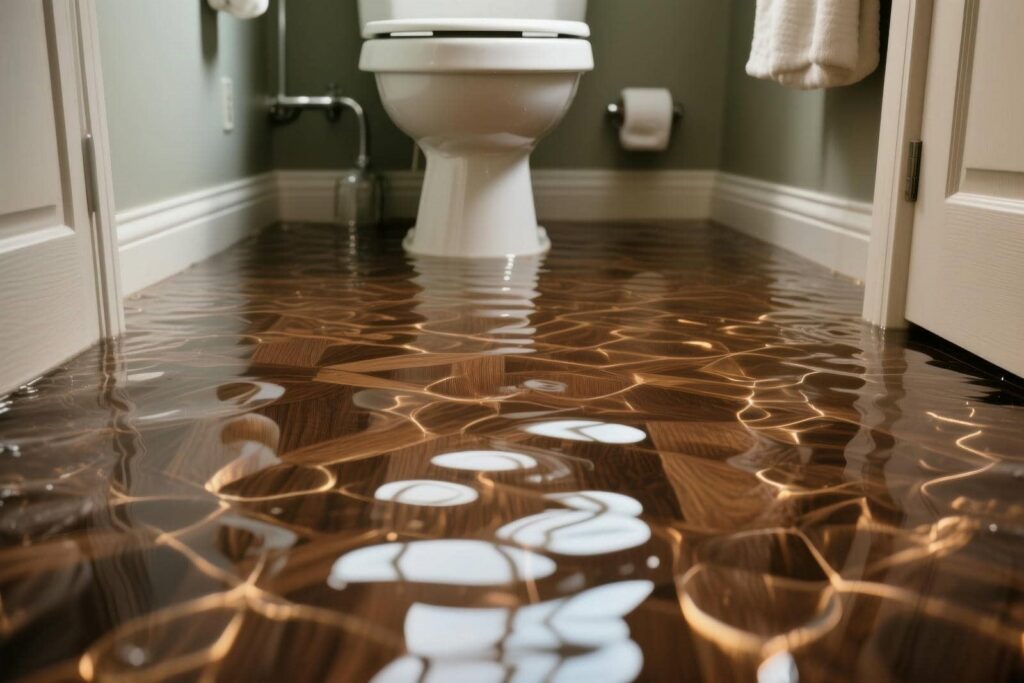
After a fire, addressing water damage is essential for restoring your property.
You’ll need to assess the extent of the water damage and implement effective drying techniques to prevent further issues.
Taking these steps promptly can help mitigate long-term effects and protect your home.
Assessing Water Damage Impact
As you begin to assess the water damage impact following a fire, it’s essential to understand how the two types of damage can complicate recovery efforts.
Water used to extinguish the flames can lead to issues like mold growth if not addressed swiftly.
Here are three critical steps to take into account:
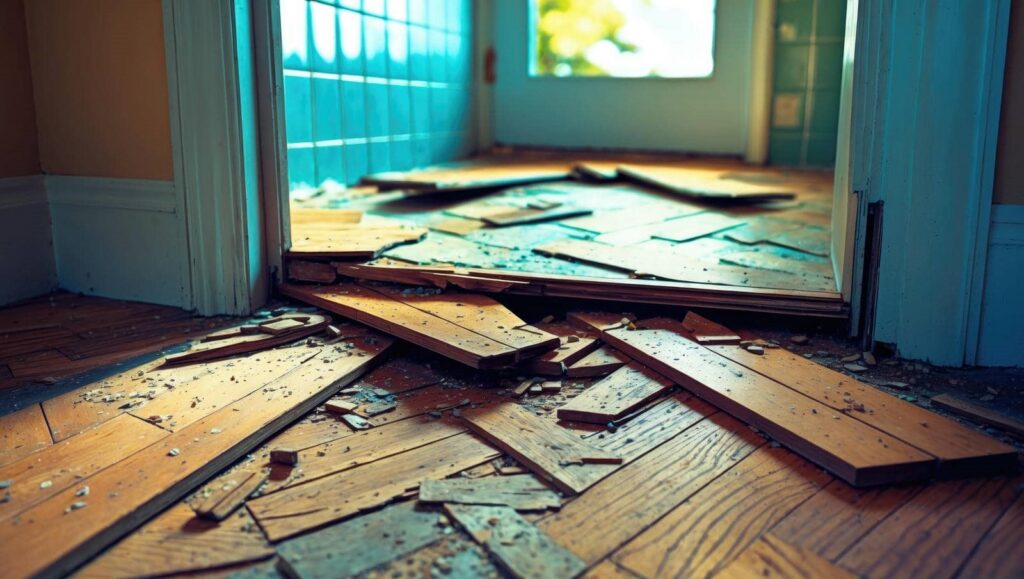
Inspect for Structural Damage: Check ceilings, walls, and flooring for signs of water damage that could compromise safety.
Evaluate Contents: Assess personal belongings for water exposure to determine what can be salvaged or will require replacement.
Document Everything: Take photos and keep records for insurance claims; this will help in steering your recovery and ensure you receive the support you need.
Facing these challenges can feel overwhelming, but taking these steps helps you regain control.
Effective Drying Techniques
Effective drying techniques are vital in mitigating the effects of water damage after a fire, especially since moisture can lead to further complications like mold growth.
You’ll want to utilize advanced drying methods, including air movers and specialized fans, to enhance airflow and expedite evaporation.
Dehumidification methods, such as refrigerant and desiccant dehumidifiers, are essential for removing excess moisture from the air and materials.
Regularly monitoring humidity levels helps ensure you’re on track to restore your space effectively.
Remember, thorough drying protects your home and supports your well-being during this challenging time.
Smoke and Soot Removal Techniques
Smoke and soot can infiltrate every corner of your home after a fire, leaving behind stubborn residues that can be challenging to remove.
Understanding the right techniques for smoke and soot removal is essential for restoring your space. Here are three effective methods to bear in mind:
Vacuuming: Use a HEPA vacuum to capture smoke particles and prevent them from spreading further.
Dry Cleaning Sponges: These sponges are designed for soot absorption, effectively lifting residues off surfaces without smearing.
Chemical Cleaners: Specialized solutions can break down soot and smoke residues, making it easier to clean walls and furniture.
Structural Repairs and Rebuilding
After a fire, it’s essential to assess the structural integrity of your property to ensure safety and stability.
You’ll need to carefully select materials that match your home’s original design and comply with safety regulations.
Understanding these aspects will guide you through the rebuilding process, providing reassurance as you restore your space.
Assessing Structural Integrity
Once the flames are extinguished, it’s essential to assess the structural integrity of your property to determine what repairs are necessary. This process ensures your safety and prepares you for the next steps in restoration.
Here’s what you should focus on:
Thermal Imaging: Use thermal imaging to identify hidden fire damage and hotspots that may compromise structural elements.
Load Assessment: Evaluate load-bearing walls and beams to verify they can support the structure safely after the fire.
Visual Inspection: Conduct a thorough visual inspection for cracks, warping, or any other signs of damage that might indicate structural weakness.
Material Selection and Sourcing
With the structural integrity assessed, you can now focus on material selection and sourcing for the necessary repairs and rebuilding.
Begin by identifying materials that match the original construction, ensuring consistency in aesthetics and function. As you source materials, prioritize quality assessment to ensure durability and safety.
Consider local suppliers who understand your community’s needs, fostering a sense of belonging. When selecting items like drywall, insulation, or framing, pay attention to fire-resistant options that enhance safety.
Engaging with knowledgeable professionals can help you navigate the choices available.
Safety Compliance and Regulations
Ensuring safety compliance and adhering to regulations is essential when undertaking structural repairs and rebuilding after fire damage. You want to create a safe environment for everyone involved.
Here are three key areas to focus on:
Understanding Local Codes: Familiarize yourself with building codes and regulations specific to fire damage restoration in your area.
Consulting Professionals: Engage licensed contractors who prioritize regulatory compliance and are knowledgeable about safety standards.
Inspection and Documentation: Keep thorough records of all repairs and inspections to ensure compliance and facilitate future assessments.
Techniques for Cleaning and Restoring Fire-Damaged Contents
Cleaning and restoring fire-damaged contents requires a systematic approach to effectively salvage personal belongings and minimize loss.
Start by conducting a thorough content inventory, evaluating every item’s condition. You’ll want to categorize items into salvageable, repairable, and non-restorable.
Utilize specialized restoration techniques, such as dry cleaning for fabrics and ultrasonic cleaning for delicate items, to remove soot and odors. For hard surfaces, employ a combination of chemical cleaners and physical scrubbing.
When dealing with documents, freeze-drying can preserve essential papers.
Remember, your emotional attachment to these belongings matters; handle each item with care.
Conducting Final Inspections for Quality Assurance
After you’ve meticulously cleaned and restored the fire-damaged contents, conducting final inspections for quality assurance becomes essential. This step ensures that everything meets the highest standards before you move forward.
Here’s a final inspection checklist to guide you:
Inspect Structural Integrity: Check for any lingering damage to walls, ceilings, and floors.
Assess Restoration Quality: Evaluate whether all items are thoroughly restored and free of smoke odors or residues.
Confirm Safety Compliance: Verify all electrical and plumbing systems are safe and functional.
Using effective quality assurance techniques during your inspections helps you identify any overlooked issues and reinforces your commitment to returning your space to its original state.
Your attention to detail builds trust and fosters a sense of belonging in your restored environment.
Preventative Measures for Future Fire Risks
While fire restoration can bring your space back to life, taking proactive steps to prevent future fire risks is essential. Start with a thorough risk assessment of your property; identify potential hazards like overloaded circuits or flammable materials.
Implement fire safety measures such as installing smoke detectors and fire extinguishers in key areas. Regularly check and maintain these devices to ensure they function properly when needed.
Consider creating an escape plan for your family or employees, making sure everyone knows how to react in an emergency. Finally, educate yourself and those around you about fire risks and prevention techniques.
Frequently Asked Questions
How Long Does the Fire Damage Restoration Process Typically Take?
The fire restoration timeline typically spans days to weeks. It includes a restoration phase breakdown covering assessment, cleaning, repairs, and final inspections, ensuring you feel supported throughout the process as your space is restored.
Will My Insurance Cover Fire Damage Restoration Costs?
Will your insurance cover fire damage restoration costs? It depends on your insurance policy. Many policies do cover this, but you’ll want to review your specifics. Understanding your coverage can bring peace during this stressful time.
Can I Stay in My Home During Restoration?
You might stay in your home during restoration, but fire safety’s essential. Depending on the restoration timeline, make certain areas are safe. Always prioritize your comfort and well-being while professionals restore your space.
What Items Are Usually Unsalvageable After a Fire?
After a fire, fire-damaged electronics and unsalvageable furniture often can’t be restored. Smoke and heat compromise their integrity, leaving you with difficult decisions about what to replace, but remember, your safety is paramount.
How Can I Prevent Mold Growth After Fire Damage?
To prevent mold growth after fire damage, you need to implement mold prevention techniques like humidity control. Ensure proper ventilation and dehumidification, and promptly clean affected areas to foster a safe, healthy environment for everyone.
Final Thoughts
Restoring a home after fire damage is like tending to a wounded bird; it requires patience, care, and expertise. Just as a bird needs time to heal its feathers before taking flight again, your home needs meticulous restoration to reclaim its safety and comfort. By following the fire damage restoration process, you’re not just repairing a structure; you’re nurturing a sanctuary where memories can flourish once more. Embracing this journey helps you rise from the ashes, stronger than before.