After experiencing fire damage, you face immediate risks that demand your attention. It’s vital to assess structural integrity and identify hazardous materials like soot. Securing your property is the next step, but knowing how to choose the right restoration professionals can be overwhelming. With so many factors to take into account, prioritizing safety during cleanup becomes essential. Understanding these key elements can greatly influence your recovery journey, and you’ll want to make certain you’re well-prepared for what’s next.
Key Takeaways
- Verify structural integrity to ensure safety before re-entering the property after a fire.
- Document all damage meticulously with photos for insurance claims.
- Secure the area by boarding up windows and doors to prevent unauthorized access.
- Choose qualified fire damage restoration professionals by checking certifications and reviews.
- Wear protective gear and ensure proper ventilation during cleanup to minimize health risks.
What Immediate Risks Should You Address After a Fire?
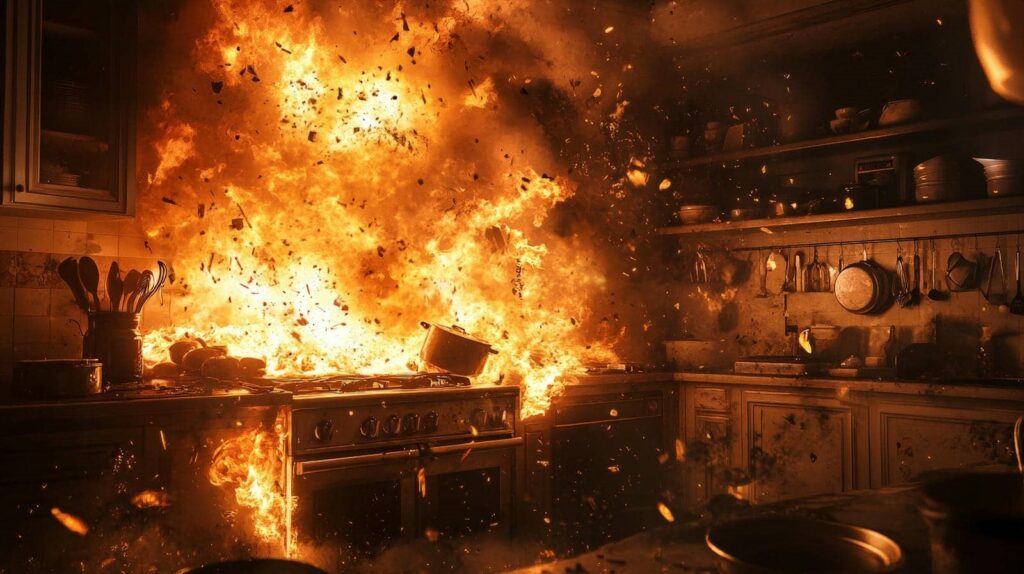
After a fire, it’s essential to address immediate risks to confirm your safety and facilitate restoration.
First, verify structural integrity; weak walls or ceilings can collapse. Next, check for hazardous materials like soot or chemicals that could pose health risks.
Secure the area to prevent unauthorized access, as this can help with emotional stability during recovery. Document damage meticulously for your insurance claims; having detailed records eases the claims process and validates your losses.
Don’t underestimate the emotional impact; seeking support from community resources can provide comfort. Remember, you’re not alone in this journey.
Prioritizing these risks safeguards your well-being and lays the groundwork for a smoother recovery and rebuilding process.
Key Signs of Fire Damage to Inspect
Fire damage can manifest in various ways, and recognizing these signs early is vital for effective restoration. Look for charred materials, particularly around walls, ceilings, and furniture.
Smoke damage often leaves behind dark stains or persistent odors, signaling that areas need thorough cleaning or replacement.
Inspect your home’s structural integrity; warped beams or sagging floors may indicate severe damage that requires immediate attention.
Check for discoloration on walls and ceilings, as this may reveal hidden fire effects.
Don’t overlook electrical systems; burnt outlets or flickering lights can pose serious hazards.
Steps to Secure Your Property After Fire Damage
Once you’ve assessed the damage, securing your property is essential to prevent further loss or injury. Start by boarding up broken windows and doors to deter unauthorized access.
If utilities are damaged, contact professionals to safely shut them off—this protects both your property and your well-being. Document everything with photos for your insurance claims, as this will streamline the recovery process.
Confirm you conduct a thorough property assessment to identify any lingering hazards, like smoke damage or structural instability. Finally, if possible, remove valuables and important documents to a safe location.
How to Choose Fire Damage Restoration Professionals
How can you ensure you’re choosing the right fire damage restoration professionals? Start by checking their fire restoration qualifications. Look for certifications from recognized organizations, which indicate their expertise in handling fire-related damage.
Next, read professional service reviews to gauge past clients’ experiences. Positive feedback often highlights reliability, responsiveness, and effective communication—traits essential in tough times. Don’t hesitate to ask for references; a reputable company will be proud to share them.
Additionally, make sure they offer a thorough range of services, from initial assessment to complete restoration.
Finally, trust your instincts; your comfort with their approach matters. By taking these steps, you’ll find professionals who restore your property and support you through the recovery process.
What Safety Precautions to Take During Cleanup?
When you’re faced with the aftermath of fire damage, taking safety precautions during cleanup is essential to protect yourself and others.
Start by wearing protective gear, including gloves, masks, and goggles, to shield against harmful debris and smoke residues. Ensure proper ventilation in the area to minimize inhalation of toxic fumes.
Follow established cleanup procedures, prioritizing the removal of hazardous materials like asbestos or lead, if present. Keep a fire extinguisher nearby, as safety is paramount.
Be cautious of structural damage; avoid entering unstable areas until they’ve been assessed.
Frequently Asked Questions
How Can I Prevent Future Fires in My Home?
To prevent future fires, prioritize fire safety by installing smoke detectors, maintaining electrical systems, and practicing emergency preparedness. Regularly review escape plans with your family, ensuring everyone knows how to act swiftly in emergencies.
What Types of Insurance Cover Fire Damage Restoration?
Fire insurance typically covers restoration costs after a fire. It’s essential to review your policy for specifics on restoration coverage, ensuring you understand what’s included and what additional options you might need for complete protection.
Are There Any Tax Deductions for Fire-Related Losses?
When fire loss strikes, the aftermath can feel overwhelming. You can often claim tax deductions for fire-related losses, but understanding the tax implications requires careful documentation and consultation with a tax professional to maximize your recovery.
How Long Does the Restoration Process Usually Take?
The fire recovery timeline typically spans weeks to months. Restoration factors like damage extent, materials involved, and contractor availability influence this duration. You’re not alone in this; support is available every step of the way.
What Items Can Be Salvaged After a Fire?
You can often salvage items like metal appliances, glassware, and certain fabrics after a fire. Prioritizing fire safety, assess each piece carefully, as emotional connections can make decisions challenging yet essential for recovery.
Wrap-Up
In the aftermath of a fire, your home may feel like a charred shell, but with careful steps and the right professionals, you can breathe life back into it. By addressing immediate risks, securing your property, and prioritizing safety, you lay the foundation for recovery. Remember, you’re not alone on this journey; lean on community resources for emotional support as you navigate the path to restoration. Together, you can transform the ashes of despair into a renewed sense of hope.