You might think emergency cleanup water removal is straightforward, but using the right tools is essential for effective cleanup. Wet/dry vacuums and submersible pumps aren’t just convenient; they’re important for preventing long-term damage. Understanding which equipment suits your specific situation can save you time and money. Let’s explore the critical tools that can make all the difference in your emergency response.
Key Takeaways
- Identify the water source and ensure safety with gloves and boots before starting cleanup.
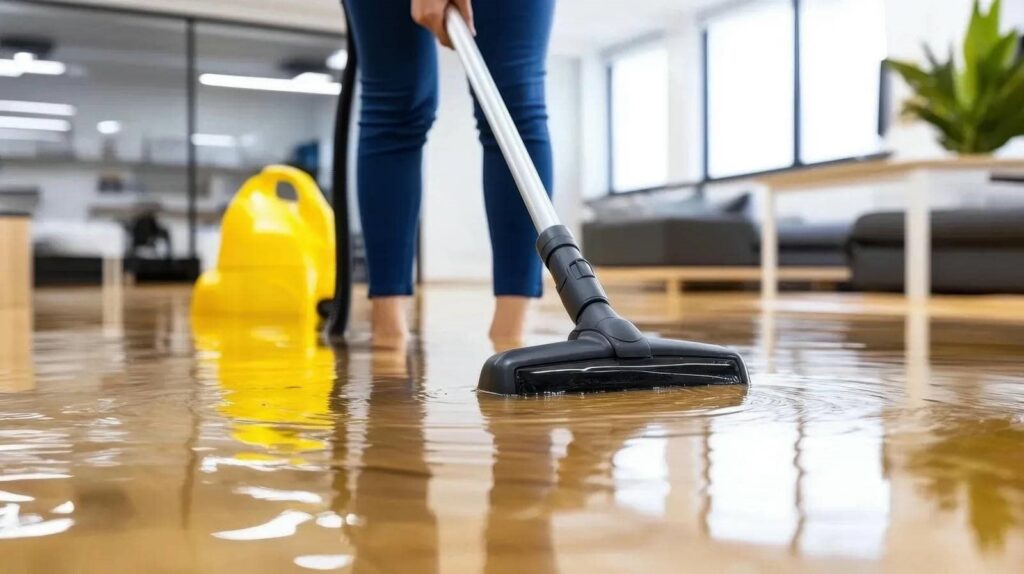
- Use a wet/dry vacuum for quick and efficient removal of water and debris.
- Submersible pumps are ideal for deeper flooding situations, offering powerful extraction.
- Dehumidifiers are essential to prevent mold growth and accelerate the drying process.
- Regular maintenance of equipment ensures optimal performance and longevity during emergencies.
What You Need for Emergency Water Removal
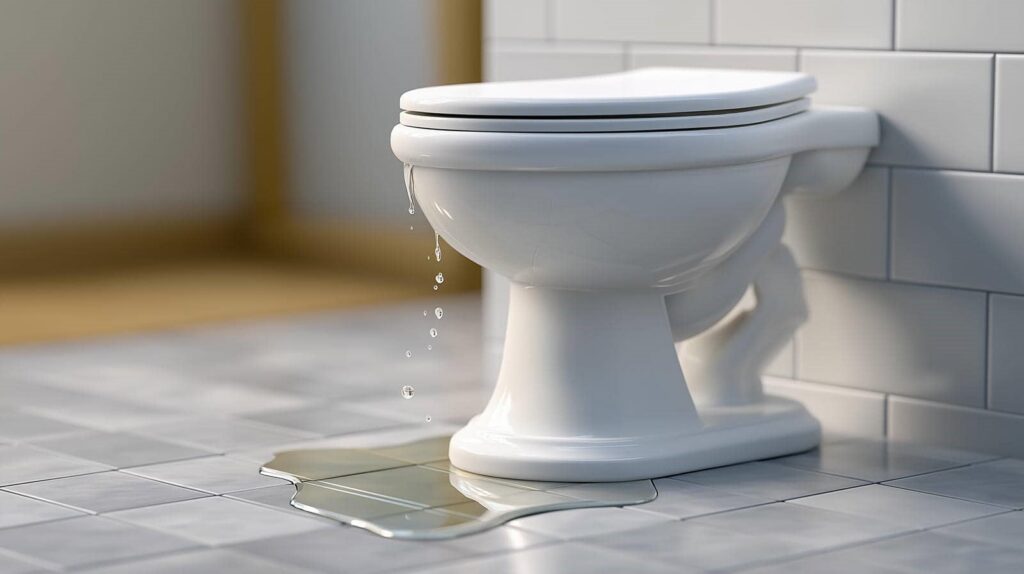
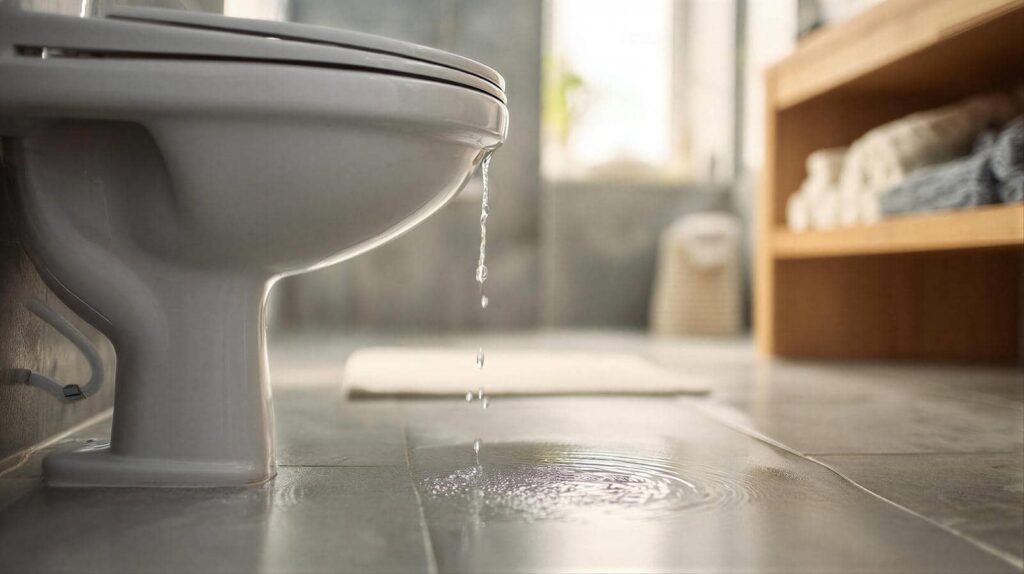
When disaster strikes and water floods your space, having the right tools at your fingertips can make all the difference. Start with water source identification; knowing where the water’s coming from is vital to address the problem effectively.
Once you’ve pinpointed the source, prioritize safety precautions. Make sure you wear appropriate gear, like gloves and boots, to protect against contaminants.
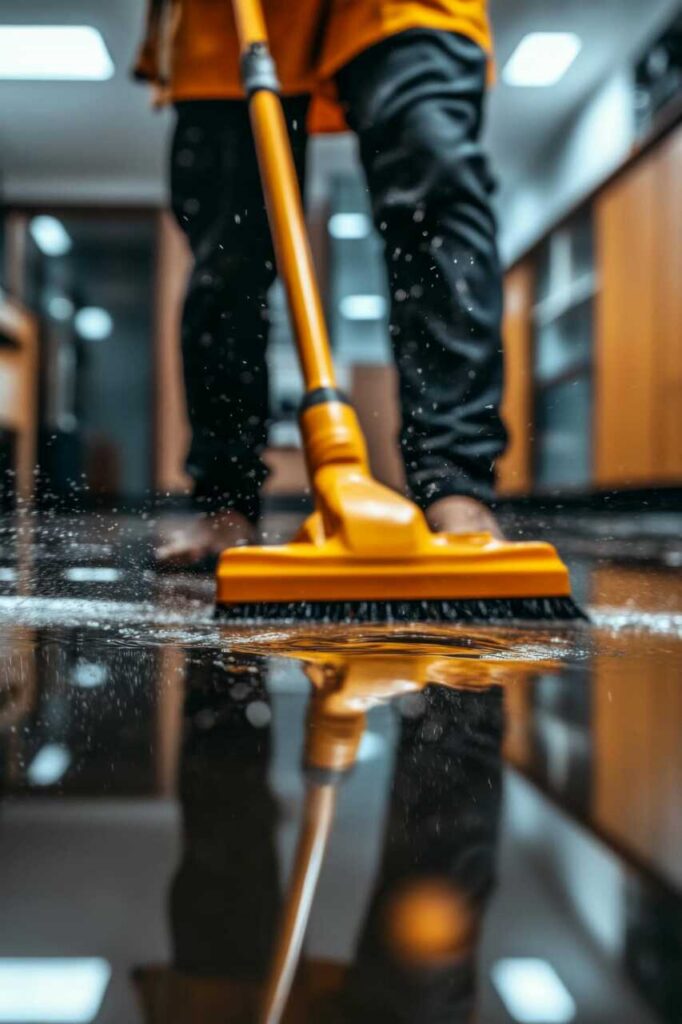
Next, consider a wet/dry vacuum for efficient water removal, along with mops and buckets for smaller areas. A submersible pump can help with deeper flooding.
Don’t forget to have fans and dehumidifiers ready to promote drying afterward. By gathering these essential tools and following safety measures, you’ll create a more manageable and safer environment during the cleanup process.
Why Dehumidifiers Matter in Water Damage Cleanup
Dehumidifiers play an essential role in water damage cleanup by preventing mold growth and accelerating the drying process.
When you control humidity levels, you create an environment where mold struggles to thrive. This speeds up recovery and protects your property from long-term damage.
Prevent Mold Growth
Though water damage can lead to serious problems, preventing mold growth is essential for maintaining a safe environment.
Humidity control plays a significant role in mold prevention. When moisture levels rise after a water incident, mold can thrive within 24 to 48 hours. By using dehumidifiers, you effectively reduce excess humidity, creating an unfavorable environment for mold spores.
It’s important to monitor humidity levels, aiming for a range between 30% and 60%. This proactive approach protects your space and fosters a sense of community and safety among those living or working there.
Ensuring clean, dry air helps everyone feel secure, reducing health risks associated with mold exposure.
Prioritize mold prevention—it’s critical for your well-being.
Accelerate Drying Process
Maintaining low humidity levels helps prevent mold growth and accelerates the drying process after water damage. Dehumidifiers play an essential role in moisture control, effectively removing excess water from the air.
By creating a balance, they enhance airflow and promote quicker drying of affected areas. This is critical in minimizing damage to your home and its contents.
When you combine dehumidifiers with fans, you’re optimizing airflow enhancement, ensuring that moisture is drawn out efficiently. The faster you dry out wet spaces, the less likely you’re to face long-term issues like mold and structural damage.
Investing in quality dehumidifiers can make all the difference in your emergency cleanup efforts, giving you peace of mind.
How to Choose the Right Pump for Your Needs?
When faced with water emergencies, how do you determine the right pump for your specific needs?
Start by considering the pump types available—submersible, utility, and diaphragm pumps each serve different purposes. Submersible pumps are ideal for deep water removal, while utility pumps are perfect for light tasks.
Next, evaluate the flow rates; a higher flow rate means quicker water removal, which is vital during emergencies. Assess the volume of water you need to remove and the time frame you’re working with.
Don’t forget to factor in the pump’s power source—electric or gas—to ensure it meets your situation.
Choosing the Best Portable Water Extraction Equipment
When choosing portable water extraction equipment, you need to focus on essential features that suit your specific cleanup needs.
Consider the different types of extraction tools available and how their portability and weight can impact your efficiency during an emergency.
Evaluating these factors will help you select the best equipment for swift and effective water removal.
Essential Features To Consider
Choosing the right portable water extraction equipment requires careful consideration of several essential features to ensure effective performance during emergencies.
First, look for advanced technologies that enhance extraction efficiency, such as powerful motors and robust suction capabilities. These features allow you to tackle large volumes of water quickly.
Next, prioritize user safety; equipment should have protective features like thermal overload protection and non-slip handles to prevent accidents during operation.
Additionally, consider portability—lightweight designs and ergonomic features make it easier for you to maneuver in tight spaces.
Finally, check for ease of maintenance, as simple cleaning processes can save you time and effort after an emergency.
Types Of Extraction Equipment
Understanding the different types of extraction equipment is crucial for effective water removal. Selecting the right tools can make a significant difference in your cleanup efforts.
Here are four key types to take into account:
- Portable Extractors: These machines offer excellent suction power and are ideal for small to medium-sized jobs.
- Truck-mounted Systems: Providing high suction capabilities, these systems are perfect for larger areas or severe flooding situations.
- Wet/Dry Vacuums: Versatile and easy to use, they’re great for quick extractions and everyday spills.
- Submersible Pumps: Best for draining deep water, these pumps utilize various extraction methods for efficient water removal.
Choosing the right equipment ensures a smoother and more effective cleanup process, helping you get back on track quickly.
Portability And Weight Factors
Selecting the right portable water extraction equipment hinges on portability and weight factors that impact your efficiency during cleanup.
You’ll want to prioritize tools with a compact design, making them easier to transport and store. Lightweight options can save you energy, allowing you to focus on the task at hand rather than struggling with cumbersome equipment.
Additionally, consider weight distribution; equipment that balances well reduces strain on your body, especially during prolonged use. Look for models with ergonomic handles and wheels for enhanced mobility.
Benefits of Wet/Dry Vacuums
When you face an emergency cleanup situation, a wet/dry vacuum can be invaluable for its versatility and efficiency. Its wet/dry versatility allows you to tackle both liquid and solid messes with ease.
Here are four key benefits:
- Suction Power: They offer powerful suction, making quick work of spills and debris.
- Multi-Surface Capability: You can use them on various surfaces, from carpets to hard floors.
- Ease of Use: They’re typically user-friendly, so you can start cleaning without a steep learning curve.
- Durability: Built to withstand tough conditions, they provide reliable performance during emergencies.
With a wet/dry vacuum, you’ll feel empowered to handle unexpected messes efficiently and effectively.
Recommended Brands for Water Removal Equipment
Choosing the right brand for water removal equipment can make all the difference in your emergency cleanup efforts. Some recommended brands stand out for their reliability and performance.
For instance, Shop-Vac offers a range of wet/dry vacuums known for their durability and strong suction power. Similarly, Bissell provides innovative options, particularly their portable extractors, ideal for tight spaces.
When you’re comparing equipment, consider brands like Ridgid, which are known for their rugged construction, perfect for tough jobs. Each brand has unique features tailored to different needs, so looking at equipment comparisons will help you make an informed choice.
Investing in trusted brands enhances efficiency and fosters a sense of community among users who share similar experiences.
Best Practices for Water Removal Equipment
Maximize the effectiveness of your water removal equipment by following essential best practices. Implementing these strategies ensures efficient water extraction techniques and prolongs the life of your tools.
- Pre-Inspection: Always check your equipment before use. Look for any wear or damage that could affect performance.
- Proper Setup: Position your tools strategically to optimize water extraction. The right placement can greatly speed up the process.
- Consistent Maintenance: Follow equipment maintenance tips regularly. Clean filters, check hoses, and perform routine inspections.
- Monitor Progress: Track the effectiveness of your efforts. Adjust your techniques as needed to ensure you’re getting the best results.
Common Mistakes and When to Call Professionals
Even seasoned DIYers can overlook critical steps during water removal, leading to costly mistakes. One common cleanup myth is that using a shop vacuum is sufficient for all situations. While it’s handy, it often misses hidden moisture that can cause mold.
Rushing through the process can also lead to inadequate drying, prolonging damage.
Knowing when to call professionals is essential. Their expertise in evaluating damage and ensuring thorough cleanup can save you time and money.
If you notice persistent dampness, or if the water has contaminated your space, it’s best to consult experts. Their advanced tools and techniques can tackle issues that DIY methods often leave behind, protecting your home and peace of mind.
Frequently Asked Questions
How Long Does Water Damage Restoration Usually Take?
Water damage restoration usually takes a few days to weeks. Your water damage timeline depends on various restoration factors, including the extent of damage, materials affected, and the efficiency of your restoration team.
Can I Use Regular Household Vacuums for Water Removal?
While it might seem convenient, you shouldn’t use regular household vacuums for water removal. They have limitations and can’t handle the job like specialized water vacuum types, which are designed for effective and safe extraction.
What Are the Health Risks of Standing Water?
Standing water poses significant health hazards, including bacteria growth and mold spores. It can lead to respiratory issues and waterborne diseases. You should address stagnant water promptly to protect yourself and others in your environment.
How Do I Prevent Mold After Water Removal?
To prevent mold after water removal, use mold prevention strategies like thorough drying and humidity control. Keep humidity below 60%, ventilate spaces, and regularly check for leaks. These steps help maintain a healthy environment.
Is Insurance Likely to Cover Water Damage Cleanup Costs?
Yes, insurance often covers water damage cleanup costs, but you’ll need to check your insurance policies for specific coverage limits. Understanding these details helps you prepare and ensures you receive the support you need.
Recap
In the aftermath of water damage, your chosen tools symbolize a lifeline, turning chaos into order. By selecting the right equipment and adhering to best practices, you reclaim your space and safeguard it against future threats. Just as a lighthouse guides sailors through storms, your preparedness can illuminate the path to recovery. Remember, when the tide is too strong, don’t hesitate to call in professionals to ensure a safe and thorough cleanup.