Maneuvering the murky waters of sewage cleanup can feel like walking a tightrope, where one misstep can lead to serious health risks. You need to know the potential dangers and the right precautions to take. Proper personal protective equipment is your first line of defense. But what specific gear should you have? Understanding the essential safety tips can make all the difference in ensuring a safe and effective cleanup process.
Key Takeaways
- Always wear appropriate PPE, including heavy-duty gloves, respirators, and waterproof boots to protect against pathogens in sewage.
- Conduct a thorough risk assessment to identify contaminated areas and restrict access to trained personnel only.
- Use effective disinfectants, like bleach solutions, and ensure all surfaces are thoroughly cleaned and dried to prevent mold growth.
- Ventilate the area during cleanup to reduce moisture and inhibit mold development after sewage exposure.
- Regularly check for signs of mold growth, such as discoloration or musty odors, after completing the cleanup process.
What Health Risks Should You Know About Sewage Exposure?
When dealing with sewage exposure, it’s essential to understand the potential health risks that can arise. Sewage contains various sewage pathogens, including bacteria, viruses, and parasites, which can lead to serious illnesses.
If you’re exposed, you might experience exposure symptoms such as nausea, diarrhea, or skin irritations. These symptoms can manifest shortly after contact, signaling the need for immediate attention.
Additionally, long-term exposure can lead to more severe health issues, including respiratory problems or infections. It’s vital to recognize these risks to protect yourself and others.
Always prioritize safety by being informed about the dangers of sewage exposure, fostering a sense of community responsibility as you work towards a healthier environment.
What PPE Do You Need for Sewage Cleanup?
Proper personal protective equipment (PPE) is essential for anyone involved in sewage cleanup.
Start with gloves selection; choose heavy-duty, waterproof gloves to protect your skin from contaminants. Nitrile gloves are an excellent option, as they offer durability and resistance to chemicals.
Next, consider mask types. A respirator with a P100 filter is vital for blocking harmful particles and odors. If you’re dealing with particularly hazardous conditions, a full-face respirator may be necessary for added protection.
Additionally, wear eye protection, such as goggles, to shield against splashes. Don’t forget to use waterproof boots to keep your feet safe.
How to Contain Sewage Contamination Safely
To effectively contain sewage contamination, it’s crucial to act swiftly and methodically.
Begin with a thorough contamination risk assessment to identify the affected areas and potential hazards. Use appropriate sewage containment methods, such as temporary barriers or absorbent materials, to prevent the spread of contaminants.
Seal off the area to restrict access, ensuring that only trained personnel enter. Utilize heavy-duty plastic sheeting to cover floors and walls, minimizing contact with sewage.
Don’t forget to label the area to alert others of the risk. Regularly monitor the situation, adjusting your containment strategies as needed.
Proper Sewage Cleanup Techniques for Cleaning and Disinfecting
After containing sewage contamination, the next step involves thorough cleaning and disinfecting of the affected areas.
Start by using effective disinfectant methods, such as bleach solutions or commercial disinfectants, to eliminate harmful pathogens. Apply these solutions generously, ensuring they reach all surfaces.
After cleaning, focus on thorough drying techniques. Use fans and dehumidifiers to expedite the drying process, as dampness can lead to mold growth. Don’t forget to ventilate the area to further reduce moisture.
Always wear protective gear, including gloves and masks, while performing these tasks.
How to Safely Dispose of Sewage Waste
Although managing sewage waste can be challenging, it’s crucial to follow safe disposal methods to protect both your health and the environment.
Adhering to waste management regulations ensures proper handling and disposal. Here are some key points to take into account:
- Always wear protective gear, like gloves and masks.
- Use designated sewage disposal methods, such as municipal sewage systems.
- Never dump sewage in open areas or water bodies.
- Consult local authorities for specific disposal guidelines.
- Verify proper documentation of sewage waste removal.
Signs of Mold Growth Post-Sewage Cleanup
After a sewage cleanup, it’s essential to watch for signs of mold growth.
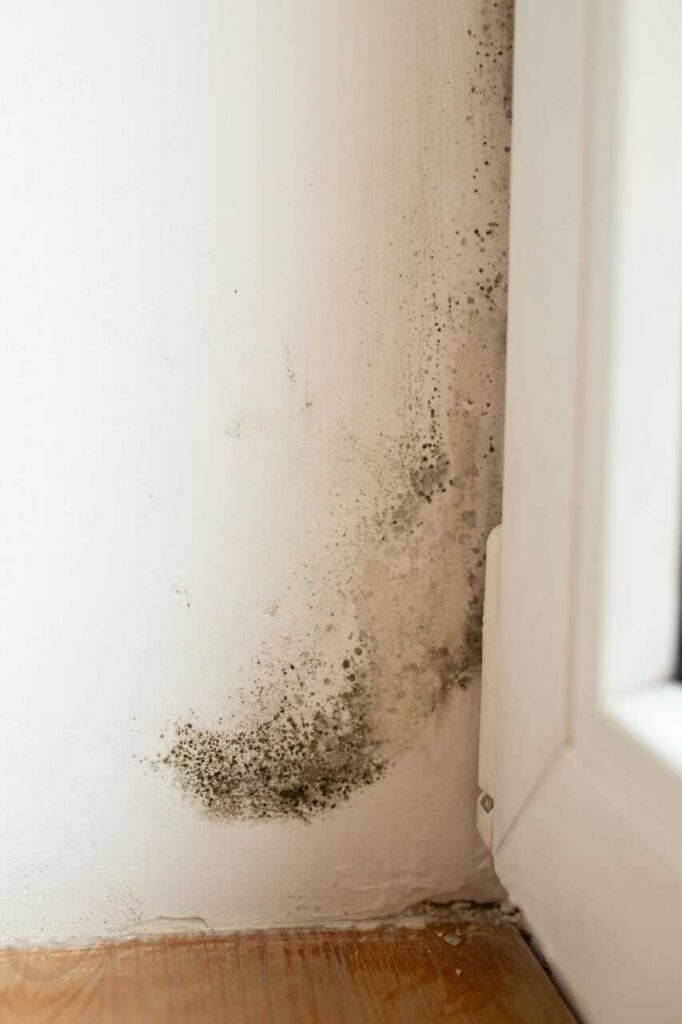
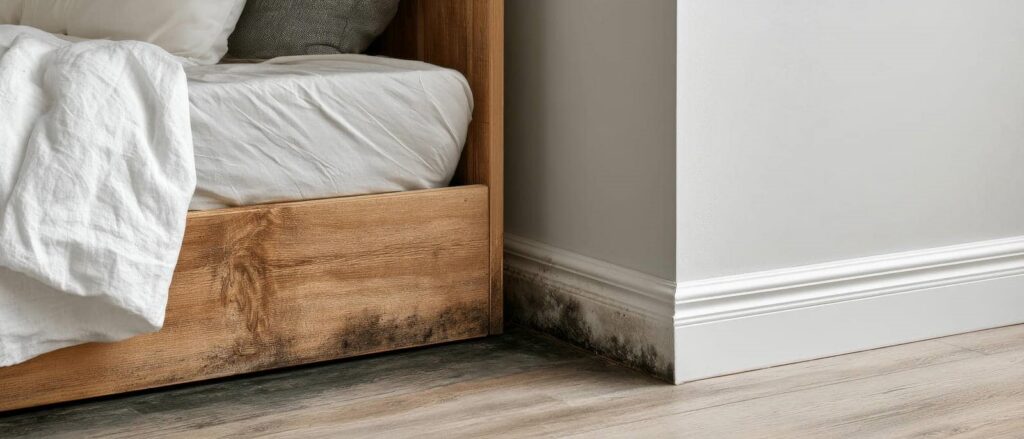
You might notice visual indicators like black or green spots on walls and surfaces, or detect a musty odor lingering in the air.
Recognizing these signs early can help you address potential health risks effectively.
Visual Mold Indicators
When you tackle sewage cleanup, being vigilant for visual mold indicators is vital, as mold can develop quickly in damp environments. Recognizing these signs early can help you protect your space and loved ones.
Here are some common visual indicators you should look for:
- Discoloration on walls or ceilings
- Dark spots or patches, especially in corners
- A fuzzy or slimy texture on surfaces
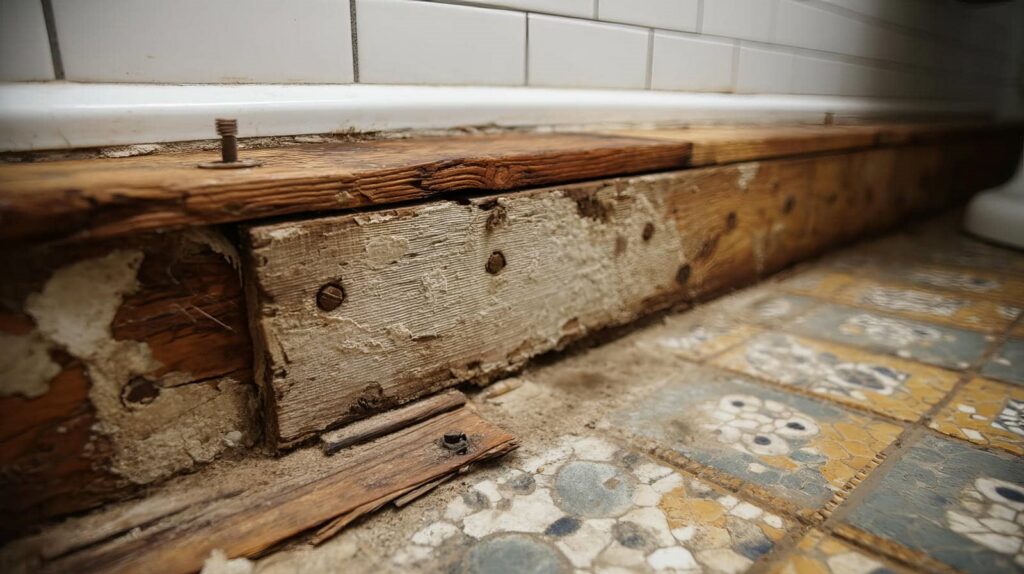
- Water stains that persist despite drying
- Peeling or bubbling paint
Utilizing mold identification techniques and effective visual inspection methods will enhance your ability to detect mold growth.
If you notice any of these indicators, it’s important to take immediate action to remediate the situation and ensure a safe living environment.
Musty Odor Detection
Recognizing musty odors is vital in detecting mold growth after sewage cleanup, as these smells often indicate hidden moisture and potential mold colonies.
Common musty smell sources include damp carpets, walls, and ceilings, where moisture may linger unnoticed.
To effectively identify these odors, consider using odor detection methods like sniff tests or an electronic nose, which can pinpoint specific volatile organic compounds linked to mold.
Additionally, ensure proper ventilation and humidity control in affected areas, as this can help mitigate musty smells.
If you notice persistent odors despite cleanup efforts, it’s important to conduct a thorough inspection and consider professional mold remediation.
Addressing these issues protects your health and fosters a safer, more comfortable environment for you and your loved ones.
When to Call in Professional Sewage Cleanup Services?
While some sewage spills may seem manageable, knowing when to call in professional sewage cleanup services is essential for your safety and health. Ignoring sewage damage can lead to serious health risks.
Consider calling professionals if you notice:
- Extensive sewage damage beyond your control
- Persistent health symptoms like nausea or respiratory issues
- Contaminated water sources affecting your household
- A sewage backup affecting multiple areas
- Risk of structural damage to your home
Don’t underestimate the potential hazards.
Professionals have the right equipment and expertise to handle hazardous materials safely, ensuring thorough cleanup and sanitation.
How to Monitor Your Health After Sewage Cleanup?
After professional sewage cleanup, monitoring your health is important to ensure you’re not experiencing lingering effects from exposure. Start by keeping a detailed record of any symptoms you might develop, such as headaches, respiratory issues, or gastrointestinal problems.
This symptom tracking can help you identify patterns and determine if they’re related to the cleanup process.
Regular health monitoring is essential; consider scheduling follow-up appointments with your healthcare provider to discuss any concerns.
Be proactive about your well-being by staying hydrated, maintaining a balanced diet, and practicing good hygiene.
If any symptoms persist or worsen, don’t hesitate to seek medical advice.
Taking these steps protects you and fosters a sense of community care and shared responsibility.
Frequently Asked Questions
What Should I Do if I Accidentally Touch Sewage?
If you accidentally touch sewage, wash your hands thoroughly with soap and water. Monitor for any health risks like infections, and consult a healthcare professional if you notice any unusual symptoms or prolonged discomfort.
Can Pets Be Affected by Sewage Exposure?
Yes, pets can be affected by sewage exposure. Sewage hazards pose significant risks to pet health, potentially causing gastrointestinal issues and infections. Keep your furry friends away from contaminated areas to ensure their safety and well-being.
How Long Does Sewage Cleanup Typically Take?
Sewage cleanup typically takes one to five days, depending on contamination factors like the extent of damage and affected area. You’ll want to assess the situation thoroughly to ensure a safe and effective cleanup process.
What Should I Wear if I Can’t Find PPE?
If you can’t find PPE, wear thick gloves, long pants, and boots. Consider using alternative clothing, like a raincoat. Always take safety precautions; avoid direct skin contact and ensure proper ventilation in the area.
Is It Safe to Return Home During Sewage Cleanup?
It’s not safe to return home during sewage cleanup due to significant health risks. Contaminants can linger, posing threats. Wait until professionals declare your space safe, ensuring you and your loved ones remain protected.
Final Thoughts
While sewage cleanup may seem intimidating, prioritizing safety with proper PPE, techniques, and disposal methods can make the process manageable. You might worry about the time and effort involved, but taking these precautions protects your health and ensures a thorough job. Remember, the risks of neglecting proper cleanup far outweigh the inconvenience. If in doubt, don’t hesitate to call in professionals to safeguard your home and well-being.