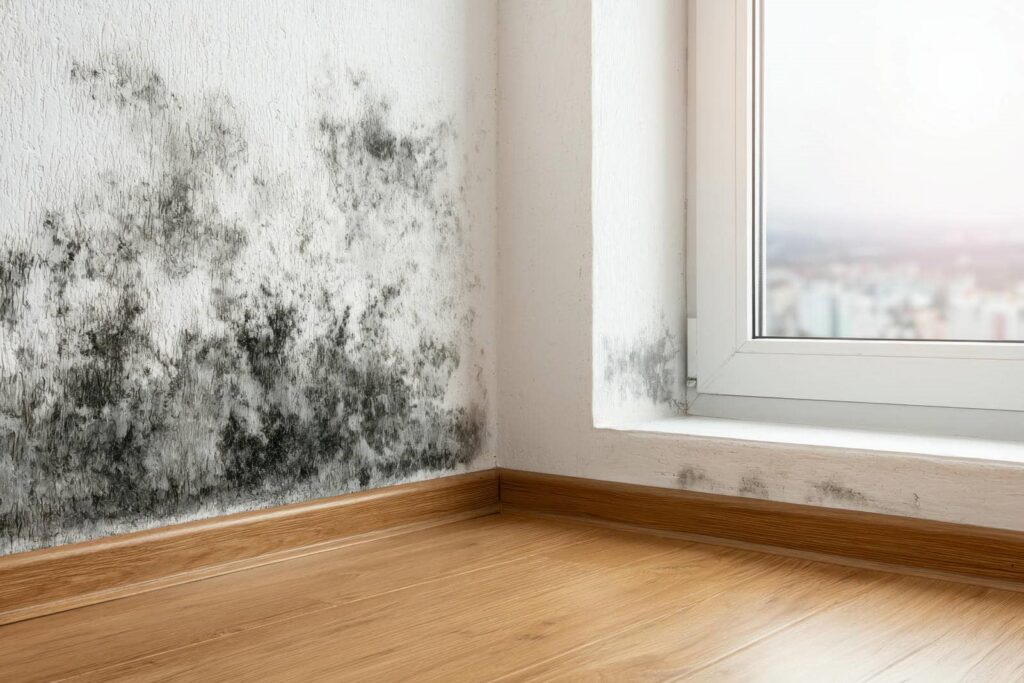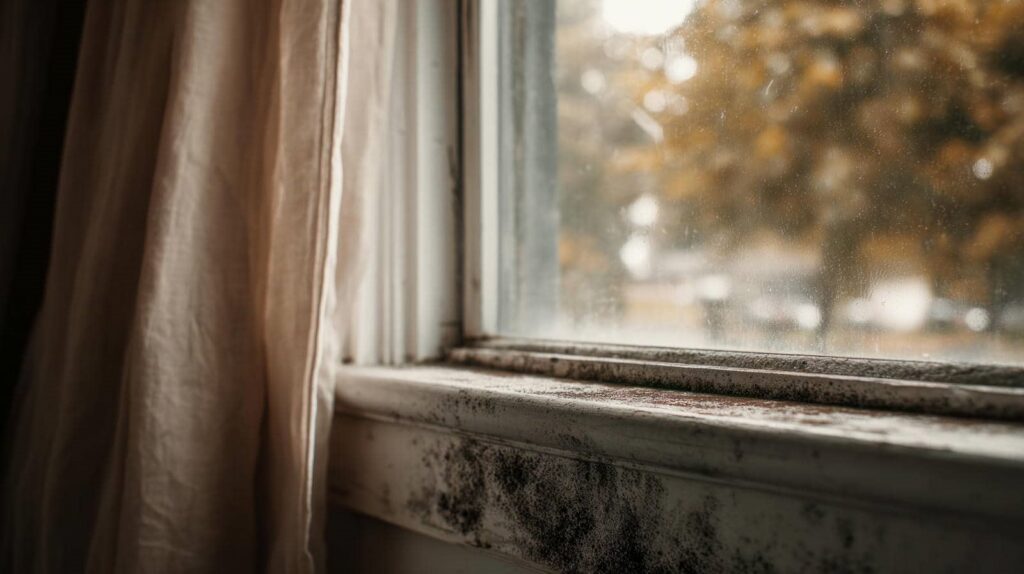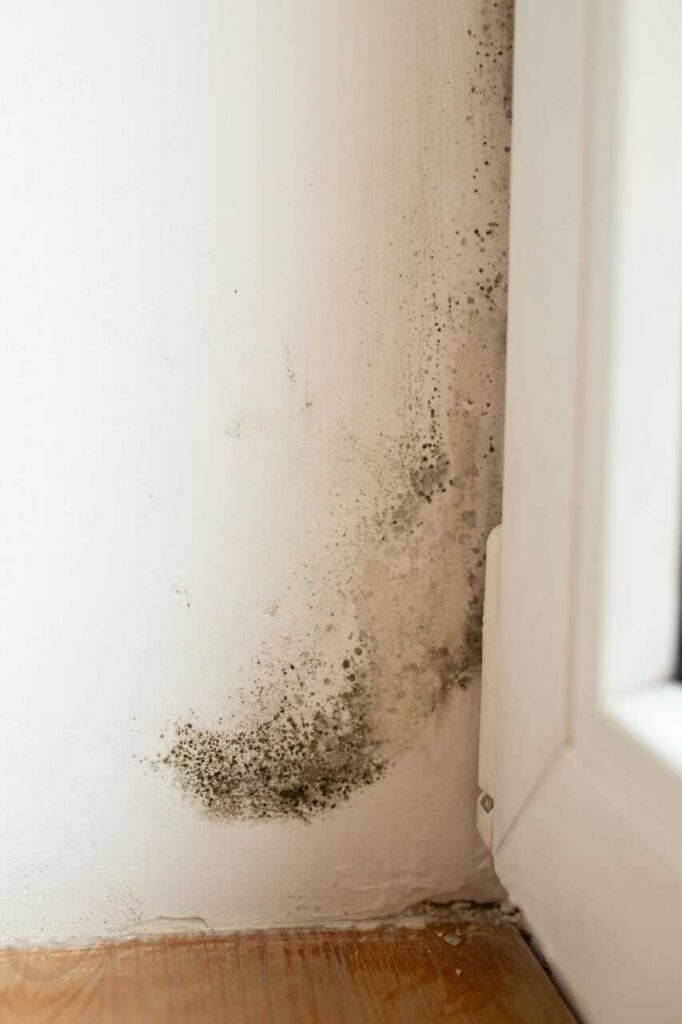
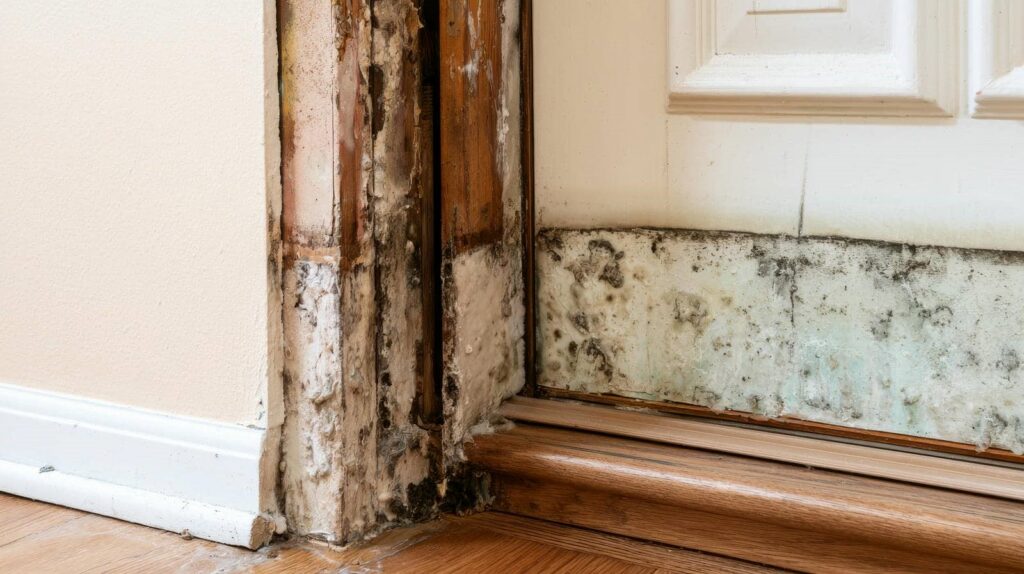
After experiencing water damage, you need to act quickly to prevent mold growth. Ignoring the situation can lead to extensive damage and health risks. Start by removing any standing water and employing fans and dehumidifiers for airflow. But that’s just the beginning; understanding hidden damage is vital. What steps should you take next to ensure your space remains mold-free? Let’s explore the essential strategies for effective mold prevention.
Key Takeaways
- Act swiftly to address water damage within 24 to 48 hours to prevent mold growth.
- Use fans and dehumidifiers to maintain low humidity levels and promote drying.
- Regularly inspect and repair leaks around plumbing fixtures and windows to reduce moisture.
- Remove soaked materials promptly, especially carpets and padding, to minimize retention of water.
- Control indoor humidity between 30% to 60% using hygrometers and dehumidifiers.
Why You Must Act Fast After Water Damage
When water damage occurs, acting quickly is essential because mold can start to grow within 24 to 48 hours. Ignoring the situation jeopardizes your property and poses significant health risks.
Mold spores can aggravate allergies and respiratory issues, impacting your family’s well-being. By moving swiftly to address water damage, you increase your chances of preserving your home and your health.
Additionally, timely action can enhance your insurance coverage claims. Most policies require prompt reporting of water damage to qualify for full benefits.
You’ll want to document the damage and any mitigation steps taken. Remember, the sooner you act, the better your outcomes will be, both financially and health-wise, ensuring your home remains a safe haven for you and your loved ones.
Effective Water Extraction Techniques
Effective water extraction techniques are essential for minimizing damage and preventing mold growth after a flood or leak.
First, use suction pumps to remove standing water quickly and efficiently, ensuring you address all affected areas. These powerful devices can greatly reduce moisture levels, making a substantial difference in your recovery efforts.
Next, employ thermal imaging to identify hidden pockets of water within walls and flooring that traditional methods might miss. This technology allows you to pinpoint problem areas, ensuring a thorough extraction process.
By combining suction pumps with thermal imaging, you can effectively tackle water damage and create an environment less prone to mold growth, ultimately safeguarding your home and well-being.
Take these steps seriously to protect your space.
Best Practices for Drying Everything Thoroughly
To prevent mold growth after water damage, drying everything thoroughly is essential. Start with effective drying techniques, like using fans and dehumidifiers to circulate air and remove moisture.
Make certain you cover all areas, including floors, walls, and furniture. Conduct a moisture assessment regularly to identify damp spots, as hidden moisture can lead to mold.
Pay special attention to carpets and padding, which may retain water. Remove soaked materials promptly, and consider professional help for extensive damage.
Always keep the environment ventilated to promote drying. By following these best practices, you’ll create a mold-free space that fosters comfort and safety for you and your loved ones.
How to Identify and Repair Hidden Water Damage?
Even after thoroughly drying your space, hidden water damage can linger and lead to serious problems down the line.
To identify it, watch for water stains on walls or ceilings, which may indicate moisture behind surfaces. Use a moisture meter to detect hidden dampness in materials like drywall and wood.
Inspect areas around plumbing fixtures, windows, and roofs for signs of leaks. If you find water damage, act quickly to repair it. Replace affected materials to maintain your home’s structural integrity.
Don’t forget to seal any gaps where water might enter in the future. By addressing these issues promptly, you can prevent mold growth and protect your home.
How to Control Humidity for Mold Prevention?
Controlling humidity is vital for preventing mold growth in your home, especially in areas prone to moisture. To maintain ideal humidity levels, aim for a range of 30% to 60%.
Using a dehumidifier can greatly help by removing excess moisture, particularly in basements and bathrooms. Regular moisture monitoring is important; consider using hygrometers to track humidity levels consistently.
If you notice spikes, adjust your dehumidifier settings or increase ventilation, especially during humid seasons. Additionally, ensure proper insulation and seal any leaks to minimize moisture intrusion.
Use Mold-Resistant Products for Better Protection
Since mold thrives in damp environments, using mold-resistant products during repairs and renovations can greatly reduce your risk of future growth.
Opt for mold-resistant paints that contain antimicrobial agents, specifically designed to inhibit mold development on surfaces. These paints provide a protective barrier, making it harder for mold to establish itself.
Additionally, consider using mold-proof materials, such as fiberglass insulation or moisture-resistant drywall, which are engineered to resist mold proliferation.
When you choose these products, you’re not only safeguarding your home but also fostering a healthier living environment for your family.
Regular Maintenance to Prevent Mold Growth
To prevent mold growth, you need to conduct regular inspections of your plumbing to catch leaks early.
Additionally, controlling indoor humidity levels plays an essential role in maintaining a mold-free environment.
Inspect Plumbing Regularly
Regularly inspecting your plumbing can greatly reduce the risk of mold growth after water damage. By conducting thorough plumbing inspections, you can identify and address pipe leaks before they escalate into larger issues.
Check for signs of moisture around joints, valves, and fittings, as these are common areas where leaks occur. Don’t forget to inspect hidden pipes in walls or under floors, as undetected leaks can create ideal environments for mold.
If you spot any leaks, repair them promptly to minimize water exposure. Keeping your plumbing in good condition prevents mold and promotes a healthier living space.
Make regular plumbing inspections a part of your home maintenance routine to ensure a safe and mold-free environment.
Control Indoor Humidity Levels
Controlling indoor humidity levels is essential for preventing mold growth, especially after water damage occurs. High humidity can create the perfect environment for mold to thrive.
To effectively manage humidity, consider the following steps:
Select Dehumidifier Options: Invest in a reliable dehumidifier that suits the size of your space. Look for units with automatic humidity control settings.
Implement Humidity Monitoring: Use hygrometers to regularly check humidity levels. Aim to keep indoor humidity between 30-60%.
Ventilate Properly: Ensure proper ventilation in areas like bathrooms and kitchens. Open windows or use exhaust fans to reduce moisture accumulation.
Frequently Asked Questions
What Are the Health Risks Associated With Mold Exposure?
Mold exposure can trigger mold allergies and respiratory issues, leading to symptoms like coughing, wheezing, and nasal congestion. It’s essential to recognize these risks to protect your health and maintain a safe living environment.
How Can I Tell if Mold Is Toxic or Non-Toxic?
You can tell if mold is toxic by using mold identification techniques. Look for toxic mold signs like a strong, musty odor, discoloration, and respiratory issues. Testing samples can confirm toxicity and ensure safety for you.
Can I Remove Mold Myself, or Should I Hire a Professional?
You can tackle small mold issues with DIY mold removal, but for extensive growth or health concerns, hiring professional services is safer. Choose wisely—your health and safety matter, and you deserve a clean, mold-free space.
How Long Does It Take for Mold to Grow After Water Damage?
Mold can start growing within 24 to 48 hours after water damage, depending on factors like humidity and temperature. Understanding this mold growth timeline helps you take timely action to prevent extensive damage and health risks.
Are There Specific Products to Kill Mold Effectively?
Picture a fresh, clean space—mold’s gone. You’ll find effective mold remediation products like hydrogen peroxide and vinegar, alongside natural mold killers such as tea tree oil. They’ll help you reclaim your home’s health effortlessly.
Final Thoughts
Acting swiftly after water damage is vital to prevent mold growth. Did you know that mold can start to develop within 24 to 48 hours in damp conditions? By following these seven key steps—like using dehumidifiers and inspecting for hidden damage—you can greatly reduce the risk. Remember, maintaining humidity levels and using mold-resistant products can protect your space long-term. Regular maintenance is essential to keep your environment safe and mold-free.