Water damage can strike unexpectedly, leaving homeowners in a challenging situation. Understanding how to identify types and causes is vital for effective management. You’ll need to act quickly, evaluating the severity and knowing what water damage restoration tools are essential for restoration. Should you tackle it yourself or hire a professional? The decisions you make now can greatly impact the outcome. Explore the steps and considerations essential to maneuvering this complex process effectively.
Key Takeaways
- Water damage can stem from various sources, including flooding, leaks, and mold growth, requiring prompt assessment and action.
- Immediate steps include ensuring safety, stopping the water source, documenting damage for insurance, and familiarizing yourself with emergency procedures.
- Assessing water damage severity involves checking for visible signs, musty odors, and inspecting personal belongings for potential impact.
- Professional restoration offers specialized equipment, expertise, and thorough drying, ensuring effective recovery and prevention of future issues.
- Proper documentation is crucial for insurance claims and can complicate the restoration process if neglected.
How to Identify Types and Causes of Water Damage
How can you spot the different types and causes of water damage in your home? Start by understanding water classification: clean, gray, and black water.
Flood damage often falls into these categories, affecting wet materials and your home’s structural integrity.
For leak detection, check common plumbing issues like burst pipes or faulty appliances. Be vigilant for signs of mold growth, as this can escalate quickly and impact your health.
Documenting damage is essential for insurance claims, so take photos and note the restoration timeline.
Immediate Steps to Take After Water Damage
After experiencing water damage, your first priority should be safety.
Quickly stop the source of the water to prevent further damage, and then document the affected areas for insurance purposes.
Taking these immediate steps can greatly reduce long-term issues and facilitate your restoration process.
Prioritize Safety First
When water damage strikes, you must prioritize safety above all else to protect yourself and others.
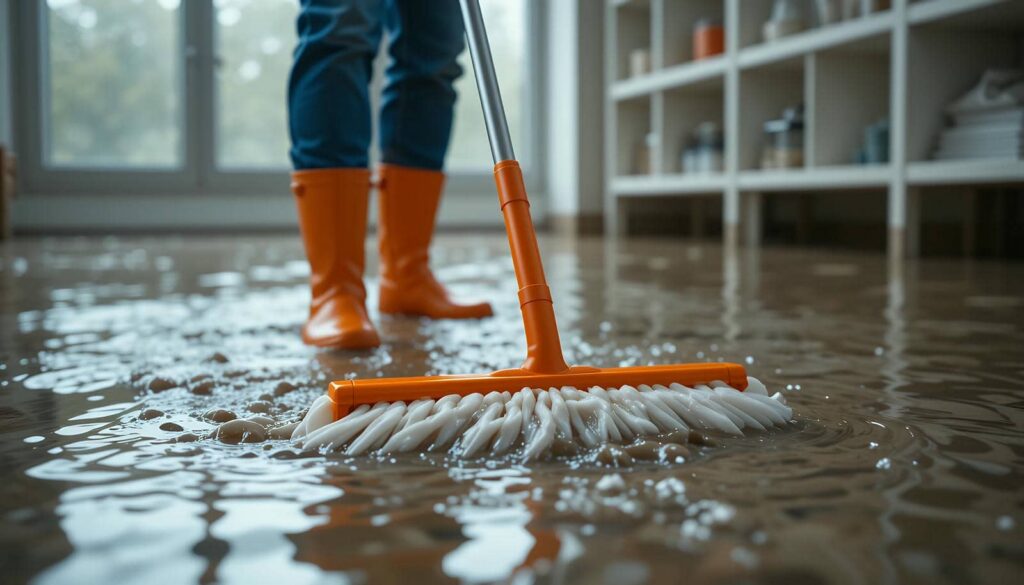
Start by donning appropriate safety gear, like gloves and boots, to shield against contaminants. If the situation poses electrical hazards, avoid standing water and turn off the power from a safe location.
Familiarize yourself with emergency procedures, ensuring everyone knows the evacuation routes and assembly points. Check for structural damage before entering the affected area; if you notice significant risks, wait for professionals.
Keep a first-aid kit handy, and remain calm to help others stay focused. Taking these immediate steps can mitigate dangers and set the stage for effective restoration, ensuring everyone’s well-being during this challenging time.
Stop The Water Source
To effectively mitigate water damage, you must first stop the source of the water.
Begin by identifying any leaks or breaks in pipes, roofs, or appliances. If you notice a leak, turn off the water supply immediately to prevent further flooding.
For ongoing issues, invest in leak detection systems to catch problems early, which is essential for long-term flood prevention.
If the water source is external, like heavy rain or flooding, consider using sandbags or barriers to redirect water away from your home.
Always prioritize safety—wear protective gear when dealing with water-damaged areas.
Document The Damage
Immediately documenting the damage is essential for effective water damage restoration. Start by taking clear, detailed photos of the affected areas, capturing both the extent and specifics of the damage.
This damage documentation will serve as crucial evidence for insurance claims and restoration records. Make a written list of damaged items, noting their condition and replacement costs. If possible, include dates and times of the incident to provide a thorough overview.
Don’t forget to document any emergency repairs you make. This meticulous approach helps streamline the restoration process and fosters a sense of belonging by ensuring you’re actively involved in reclaiming your space.
Accurate records can notably expedite your recovery and support your case with insurers.
How to Assess Water Damage Severity
How can you effectively gauge the severity of water damage in your home?
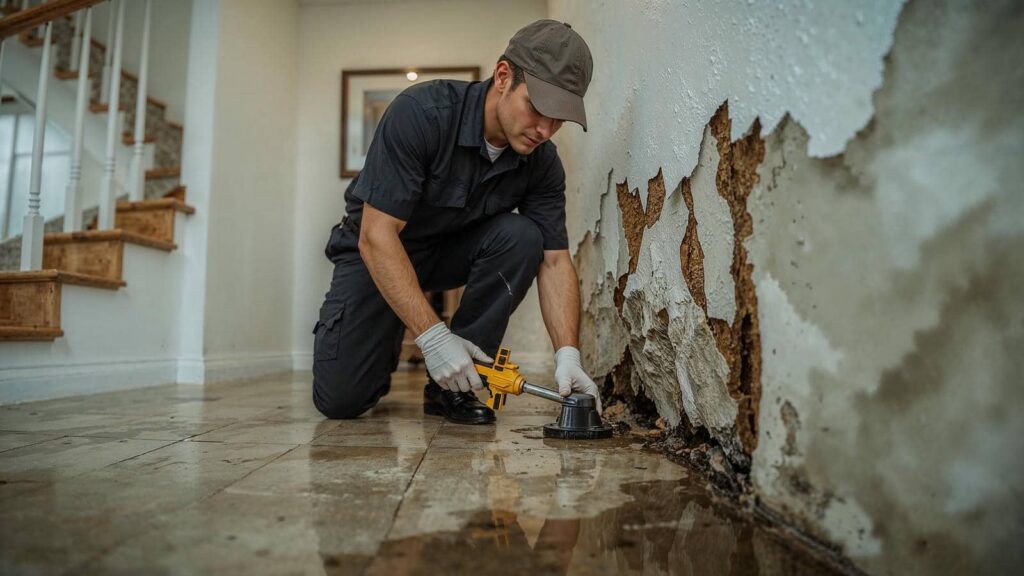
Begin with a thorough water damage assessment. Check for visible signs like discoloration, peeling paint, or warping materials. These are key severity indicators.
Next, assess the source and duration of the water exposure. If the water’s been there for a while, expect increased damage.
Pay attention to musty odors, which often signal mold growth.
Also, inspect the structure and surrounding areas; hidden damage can compromise safety.
Don’t forget to evaluate your belongings—furniture and personal items can be affected too.
Must-Have Tools for Water Damage Restoration
When tackling water damage restoration, having the right tools is essential for efficiency and effectiveness.
You’ll need important water extraction equipment to remove standing water and drying tools to ensure thorough moisture removal.
Dehumidifiers also play a key role in preventing mold growth and further damage.
Essential Water Extraction Equipment
Effective water extraction is essential in minimizing damage during a restoration process, and having the right equipment can make all the difference.
Understanding various water extraction methods helps you choose the tools you’ll need. A high-capacity pump is vital for quickly removing large volumes of water.
For smaller areas, a wet/dry vacuum is your best bet, efficiently sucking up moisture. Additionally, consider portable extractors, which combine vacuuming and water removal in one unit.
Always keep extraction mats and squeegees on hand for hard-to-reach spots. These essential pieces of equipment streamline the process and enhance your effectiveness as a restoration professional, ensuring you can tackle any situation with confidence.
Drying and Dehumidifying Tools
In the aftermath of water damage, drying and dehumidifying tools are vital for restoring affected areas and preventing mold growth. You’ll find various dehumidifier types, including refrigerant and desiccant models, each suited for specific conditions. Refrigerant dehumidifiers work best in warmer environments, while desiccant units excel in cooler settings.
Pairing these with effective drying techniques, such as air movers and fans, accelerates moisture removal. Air movers create airflow, promoting faster evaporation, while fans help circulate air, reducing humidity.
Using these tools together maximizes efficiency and ensures thorough drying. Remember, timely action is essential; the sooner you deploy these drying and dehumidifying tools, the better your chances of preventing long-term damage and maintaining a safe environment.
Should You Hire a Pro or DIY Water Damage Restoration?
How do you decide between hiring a professional or tackling water damage restoration yourself? First, consider your experience levels and the extent of damage.
DIY techniques might save you money, but cost considerations include equipment rental and potential mistakes. Professionals offer benefits like time efficiency and expertise, often completing the job faster and more effectively.
Conduct a risk assessment: if the damage is extensive or involves hazardous materials, a pro is your best bet.
Additionally, think about insurance implications—some policies may cover professional services but not DIY efforts.
Ultimately, weigh your skills against the complexity of the situation to make an informed decision that suits your needs and ensures a safe restoration process.
Understanding the Water Damage Restoration Process
Choosing between professional help and a DIY approach sets the stage for understanding the water damage restoration process.
First, you need to assess the extent of the damage. Many water damage myths suggest that minor issues can be easily handled on your own, but this can lead to bigger problems down the line.
Effective restoration techniques involve thorough water extraction, drying, and mold prevention. You should document the damage for insurance claims and prioritize safety by wearing protective gear.
If the damage is severe, it’s often best to consult professionals who use advanced equipment and expertise.
Common Mistakes to Avoid During Restoration
While tackling water damage restoration, it’s crucial to avoid common pitfalls that can exacerbate the situation. One major mistake is delaying the restoration process, which can extend your restoration timeline and lead to further damage.
Don’t underestimate the importance of proper documentation; failing to take photos and notes can complicate your insurance claims later. Additionally, avoid using unapproved drying methods, as they can cause mold growth or structural issues.
Relying solely on DIY strategies can also backfire, leading to incomplete restoration. Finally, neglecting to consult with professionals can result in overlooking critical repairs, leaving you vulnerable to future damage.
Tips to Prevent Future Water Damage
To effectively prevent future water damage, you’ll want to start with a thorough inspection of your property. Check for leaks in plumbing, gaps in windows, and any signs of moisture accumulation.
Implementing waterproofing techniques, such as sealing your foundation and using water-resistant materials, can be essential. Regular maintenance of gutters and downspouts will help direct water away from your home, reducing the risk of flooding.
Don’t forget to schedule routine inspections, especially after heavy rain or storms. This proactive approach will help you identify potential issues before they escalate.
When to Call in Water Damage Restoration Experts?
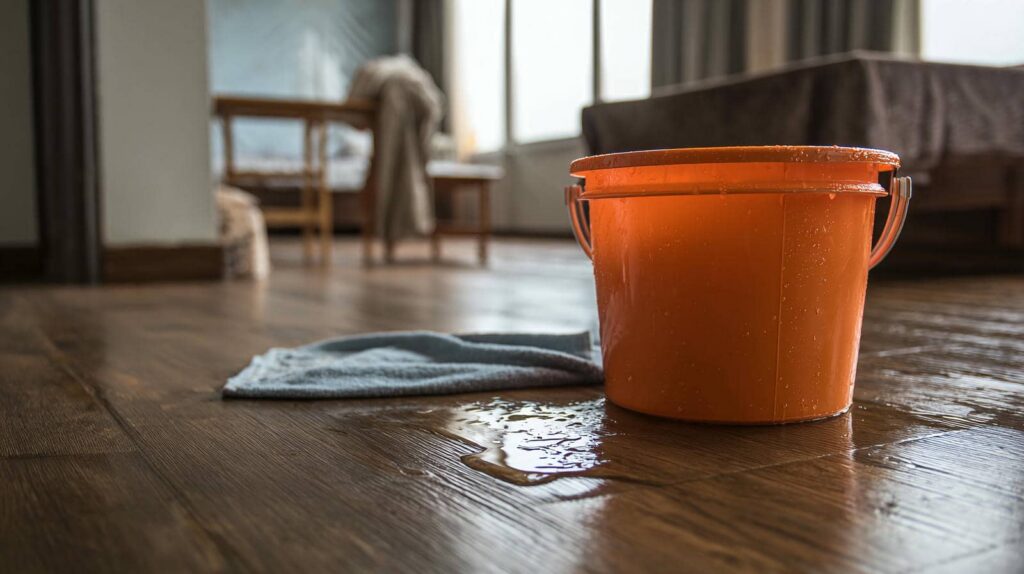
How do you know when it’s time to call in water damage restoration experts? If you notice signs of flooding—such as water pooling, damp walls, or a sudden spike in humidity—it’s essential to act quickly.
Delaying can lead to mold growth and structural damage, which can be costly to fix. Additionally, if the water comes from a contaminated source, like a sewage backup, you need professional help immediately for safe cleanup.
Experts can assess the situation, provide emergency response, and use specialized equipment to remove water and dry out affected areas effectively.
Trust your instincts; if you feel overwhelmed or unsure, reaching out to professionals is always a smart decision. Your home and health depend on it.
Frequently Asked Questions
How Long Does the Water Damage Restoration Process Typically Take?
The water damage restoration process usually takes 3 to 7 days. Factors like water source identification, extent of damage, and drying requirements greatly influence your restoration timeline, ensuring effective recovery and minimizing further issues.
Will My Insurance Cover Water Damage Restoration Costs?
Your insurance might cover water damage restoration costs, but it depends on your policy. Engage in the claim process swiftly, gathering documentation to boost your chances of a smooth, successful reimbursement experience.
What Are the Health Risks Associated With Water Damage?
Water damage poses significant health hazards, including exposure to contaminated water, which can lead to infections, respiratory issues, and mold growth. It’s essential to address these risks promptly to protect your health and environment.
Can I Stay in My Home During Restoration?
Staying in your home during restoration can be tempting, but have you considered the potential hazards? Temporary relocation might be necessary to ensure your safety. Always follow safety precautions to protect yourself and your family.
How Can I Tell if Mold Has Developed After Water Damage?
You can tell if mold’s developed after water damage by using mold inspection techniques. Look for signs of mold, like musty odors, discoloration on surfaces, or visible growth, which indicate potential health risks in your home.
Wrap-Up
Tackling water damage effectively requires swift action and the right tools. By knowing the types and causes, evaluating the severity, and weighing your options between DIY and professional help, you can navigate this challenge. Remember, an ounce of prevention is worth a pound of cure; taking proactive measures now can save you headaches later. Don’t hesitate to call in experts when the situation feels overwhelming. Your home deserves the best care possible.