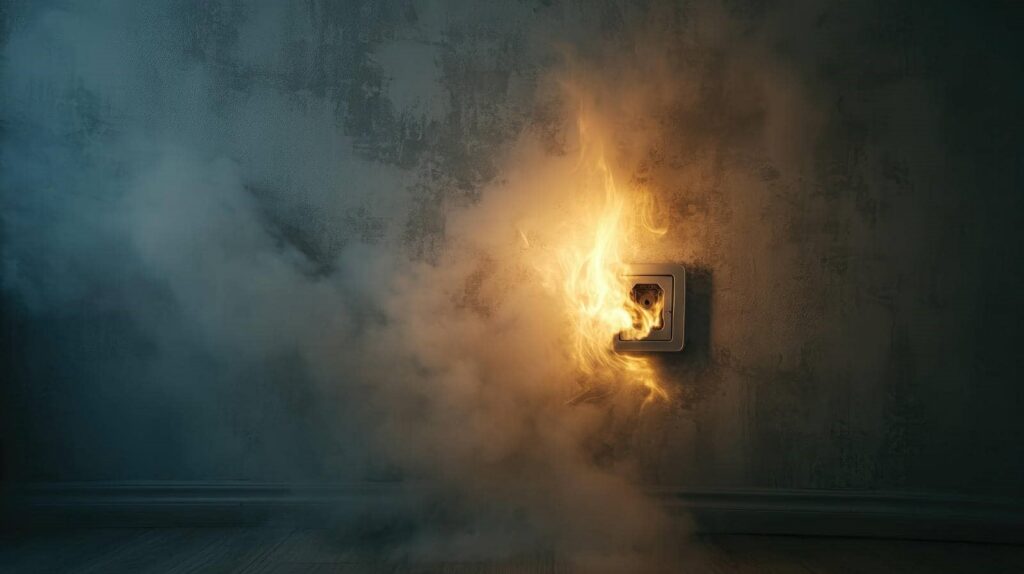
Experiencing a fire can feel like a wake-up call, revealing the fragility of your home. You need to act quickly to ensure safety and begin the restoration process. From evaluating the fire damage to understanding smoke’s lingering effects, every step matters. You’ll face critical decisions about whether to tackle cleanup yourself or call in experts. Knowing what to do next can make all the difference in reclaiming your space and peace of mind.
Key Takeaways
- Ensure safety first by checking for hazards and securing the property to prevent further damage after a fire incident.
- Document all damage with photos and lists, and promptly notify your insurance provider to facilitate coverage claims.
- Conduct a thorough assessment of structural integrity, consulting professionals if necessary, to ensure safe repairs can be made.
- Utilize HEPA vacuums and specialized cleaning agents to effectively remove smoke residue and odors from surfaces.
- Consider hiring professional restoration services for complex damage to ensure safety and efficient cleanup.
Immediate Steps to Take After Fire Damage
After a fire, the emotional and physical toll can be overwhelming, but taking immediate action is essential for minimizing damage.
First, ensure everyone’s safety by checking for any hazards. Next, document the damage thoroughly; this will help with your insurance claims. Take clear photos and make a detailed list of affected items.
Notify your insurance provider as soon as possible, as timely reporting can impact coverage. If safe, secure your property to prevent further damage, such as boarding up windows.
Familiarize yourself with fire safety protocols for the future; this knowledge can empower you and your loved ones.
Assessing Fire Damage: Key Steps in Restoration
After a fire, the first step in your restoration process is conducting an initial damage assessment to understand the extent of the destruction.
You’ll need to evaluate the structural integrity of your property to ensure it’s safe for further repairs.
Finally, addressing smoke residue cleanup is vital to prevent long-term odors and health risks.
Initial Damage Assessment
When you face the aftermath of a fire, conducting an initial damage assessment is essential for effective restoration. Start by using a thorough inspection checklist, ensuring you cover all areas affected by smoke and flames.
Focus on visible damage, such as charred surfaces and soot deposits, but don’t overlook hidden issues like water damage from firefighting efforts. Document everything meticulously for your damage evaluation; this will aid in insurance claims and restoration planning.
Pay attention to the emotional toll on you and your loved ones—this process can be overwhelming. Remember, reaching out to professionals can help you navigate this challenging time, providing support and expertise to restore your space and peace of mind.
Structural Integrity Evaluation
Although the sight of charred beams and collapsed ceilings can be distressing, evaluating the structural integrity of your home is essential for safe restoration.
A detailed structural evaluation helps ensure that your living space remains secure and habitable. Here are key steps in your integrity assessment:
- Inspect Load-Bearing Walls: Check for cracks or warping that could compromise support.
- Examine Beams and Joists: Look for signs of charring or damage that require reinforcement.
- Assess Foundation Stability: Confirm there are no shifts or weaknesses in the foundation.
- Consult Professionals: Engage structural engineers for an all-encompassing evaluation to guide repairs.
Taking these steps can help you regain a sense of safety and belonging in your home, paving the way for effective restoration.
Smoke Residue Cleanup
Once you’ve assessed the structural integrity of your home, the next step involves tackling smoke residue cleanup. Start by employing effective smoke removal techniques, such as using HEPA vacuums and damp cloths to capture soot particles.
Pay special attention to porous surfaces, which can trap residue. For walls and ceilings, use a mixture of water and specialized cleaning agents designed for smoke damage.
After cleaning, focus on odor neutralization methods. Odors can linger, so consider using ozone generators or air scrubbers to purify the air.
Don’t forget to check HVAC systems; they often harbor smoke particles. This process can feel overwhelming, but taking it step by step will help restore your home’s comfort, making it a place of belonging once again.
Understanding Smoke Damage and Its Impact on Your Home
Smoke damage can be insidious, affecting not just the visible surfaces in your home but also the air quality and your overall health. Different smoke types—like dry, wet, and fuel oil—release harmful particles that linger in your environment, leading to various health effects.
Understanding these impacts is vital for your well-being. Consider the following:
- Respiratory Issues: Smoke can exacerbate asthma and other lung conditions.
- Sensory Irritation: Eyes, throat, and skin may become irritated.
- Cognitive Effects: Prolonged exposure can affect concentration and memory.
- Chemical Sensitivities: Some individuals may develop sensitivities to lingering smoke odors.
Recognizing these consequences helps you prioritize effective cleanup and restoration, ensuring a safe, healthy home for you and your loved ones.
Essential Tools for Smoke Damage Cleanup
When tackling smoke damage cleanup, having the right tools at your disposal is crucial to restoring your home effectively.
Start with safety equipment like gloves, masks, and goggles to protect yourself from harmful residues. You’ll need a high-efficiency particulate air (HEPA) vacuum for thorough smoke odor removal, as it captures fine particles that linger in the air.
Don’t forget odor-neutralizing agents; these can be essential in combatting persistent smells. A steam cleaner can help treat fabrics and upholstery, while an ozone generator can further eliminate odors.
Finally, make sure you have sturdy trash bags for debris disposal. These tools make the process smoother and help you reclaim your living space, fostering a sense of belonging once again.
Should You Hire Professionals or DIY for Smoke Damage Restoration?
When facing smoke damage, you might wonder if hiring professionals or tackling the cleanup yourself is the better option.
While DIY solutions may seem cost-effective, the expertise and experience of restoration specialists can prevent further complications and ensure thorough remediation.
Understanding the balance between your budget and the potential risks involved is essential for making the right choice.
Expertise and Experience Matters
While you may feel tempted to tackle smoke damage restoration on your own, the complexities involved often require a professional touch. Engaging experts ensures effective results and safety.
Here are four reasons to reflect on hiring professionals:
- Expert Tips: Professionals bring specialized knowledge and techniques that DIY approaches may lack.
- Restoration Techniques: They utilize advanced equipment and methods to fully eradicate smoke odors and damage.
- Time Efficiency: Professionals can complete the job faster, allowing you to return to normalcy sooner.
- Health and Safety: They understand the risks involved, ensuring your safety throughout the restoration process.
Cost-Effectiveness of Solutions
How do you determine the most cost-effective approach for smoke damage restoration—hiring professionals or tackling it yourself?
Start with a thorough cost analysis. Hiring experts often means upfront expenses but can save you money in the long run by preventing further damage. Professionals use specialized equipment and techniques that are challenging for DIYers to replicate.
On the other hand, if your budget constraints are tight, you might consider DIY methods, but be aware of the potential hidden costs. Mistakes could lead to more extensive damage, requiring professional intervention later.
Ultimately, weigh your budget considerations against the value of expertise. You deserve to restore your space effectively, whether you choose to hire help or take it on yourself.
Avoid These Common Mistakes When Cleaning Up
Cleaning up after smoke and fire damage can be overwhelming, but avoiding common mistakes is essential for effective restoration. By following the right cleaning techniques and adhering to safety precautions, you can ensure a smoother recovery process.
Here are four mistakes to avoid:
- Ignoring Safety Gear: Always wear proper protective equipment like masks and gloves.
- Using Water Improperly: Water can worsen smoke damage; avoid excessive use.
- Neglecting Ventilation: Open windows and doors to allow fresh air circulation.
- Overlooking Professional Help: Don’t hesitate to call in experts when needed; they can offer specialized cleaning techniques.
How to Prevent Future Smoke Damage
To prevent future smoke damage, it’s essential to implement proactive measures that protect your home and belongings. Start by installing high-quality air filtration systems to effectively reduce airborne particles. Choose HEPA filters, which capture even the smallest soot particles, ensuring cleaner indoor air. Regularly maintain these systems to maximize their efficiency.
Next, consider smoke detectors in key areas, testing them monthly to verify functionality.
Additionally, create a designated smoking area outdoors, away from open windows and doors, to limit smoke infiltration.
Finally, keep flammable materials stored safely, away from heat sources.
When to Call in Fire Damage Restoration Experts?
Even with preventive measures in place, unexpected incidents can still lead to fire damage, making it essential to recognize when professional help is necessary.
If you experience any of the following situations, it’s time to call in fire damage restoration experts:
- Extensive Damage: If structural integrity is compromised or walls are charred.
- Smoke Residue: Persistent smoke odors or visible soot that you can’t clean.
- Electrical Hazards: Signs of damaged wiring or appliances after a fire.
- Restoration Timeline: If you need a swift recovery to minimize loss and restore safety.
Frequently Asked Questions
How Does Smoke Damage Affect My Home’s Value?
Smoke damage can markedly reduce your home’s value due to property depreciation and high restoration costs. Potential buyers often hesitate, fearing hidden issues, which can make it challenging to regain your home’s original worth.
Can I Claim Smoke Damage on My Insurance?
Sure, you can claim smoke damage on your insurance! Just navigate the thrilling claim process, ensuring you understand your coverage. Remember, documenting everything helps—after all, who wouldn’t want to bond over paperwork and policies?
What Health Risks Are Associated With Smoke Damage?
Smoke damage can lead to respiratory issues like asthma and chronic bronchitis. Prolonged exposure may result in long-term effects on lung function and overall health, emphasizing the importance of addressing smoke damage promptly and effectively.
How Long Does Smoke Damage Restoration Typically Take?
When it comes to smoke damage restoration, the timeline can vary, but you’re often looking at days to weeks. Effective cleaning techniques expedite the process, ensuring your home feels like home again sooner.
Are There Specific Odors Associated With Smoke Damage?
Yes, smoke damage often leaves behind strong odors from various sources like burnt materials. You can use mitigation techniques such as professional cleaning and ozone treatments to effectively eliminate these lingering smells and restore comfort to your space.
Recap
So, you’ve bravely tackled fire damage like a DIY hero, only to discover smoke residue’s clingy nature rivals that of a bad ex. Remember, while your determination is commendable, some battles are better fought with experts by your side. Don’t let your home become a hazardous smoke museum. Prioritize safety and effective restoration—because the only thing that should linger after a fire is the lesson learned, not the smoke. Call in the pros when needed; your home deserves it.