You might think evaluating water damage is straightforward, but it requires specific emergency water damage techniques to ensure accuracy. Recognizing early signs and using the right tools can make a significant difference in your evaluation. From moisture meters to thermal imaging devices, knowing how to effectively inspect affected areas is essential. Understanding these fundamental evaluation methods will help you address the issue efficiently and safeguard your property. What you do next could determine the extent of the damage.
Key Takeaways
- Use moisture meters to accurately assess moisture levels in affected materials during the evaluation process.
- Inspect for discoloration, softness, and warping in surfaces to identify water damage signs.
- Employ thermal imaging devices to detect hidden moisture and temperature variations.
- Document all damages with detailed photos and written inventories for insurance claims.
- Ensure safety by turning off electricity and wearing protective gear before beginning the assessment.
Recognizing the Signs of Water Damage Early
How can you identify water damage before it escalates into a more significant issue? Start by looking for water stains on ceilings and walls. These stains often indicate moisture accumulation, which can lead to mold growth if left unchecked.
Check areas around windows, pipes, and appliances for any signs of dampness. Additionally, pay attention to strange odors; musty smells can suggest mold development.
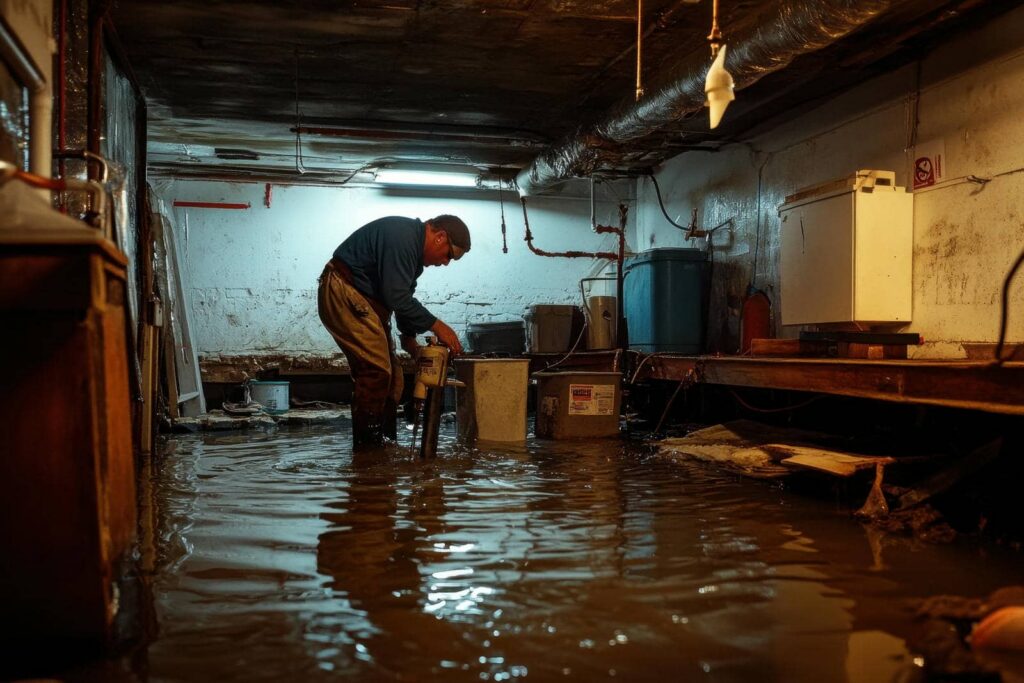
Inspect your basement or crawl space for standing water or moisture buildup, as these places are common culprits.
Stay Safe: Precautions Before You Start
Before you begin any water damage cleanup, it’s vital to prioritize your safety. Conducting a thorough risk assessment helps you avoid potential hazards.
Here are three essential precautions to take:
- Turn Off Electricity: If water has reached electrical outlets, make sure you cut off the power to prevent electrocution.
- Wear Protective Gear: Use gloves, masks, and waterproof boots to shield yourself from contaminants and mold.
- Assess Structural Integrity: Look for sagging ceilings or unstable walls. If you notice significant damage, retreat and call professionals.
Essential Tools for Water Damage Assessment
When evaluating water damage, having the right tools can considerably streamline the process and enhance accuracy.
Two essential tools you’ll want to have on hand are moisture meters and thermal imaging devices. Moisture meters allow you to measure the moisture content in various materials, helping you pinpoint the extent of the damage. They’re vital for evaluating hidden areas where water might be lurking.
Thermal imaging cameras, on the other hand, help visualize temperature differences, making it easier to identify moisture behind walls or ceilings.
How to Inspect Affected Areas for Water Damage
Inspecting affected areas for water damage requires a systematic approach to ensure no hidden issues are overlooked.
Start by focusing on key indicators that could signal serious problems, especially mold growth. Use moisture detection tools to help identify damp spots in walls and ceilings.
Here’s a quick checklist to guide your inspection:
- Check for discoloration: Look for yellow or brown stains that may indicate water intrusion.
- Inspect surfaces: Feel for softness or warping in wood and drywall, which can signal hidden moisture.
- Smell for mustiness: A damp, musty odor often points to mold growth, a serious concern.
Check Structural Integrity After Water Exposure
After water exposure, it’s essential to inspect load-bearing walls for any signs of compromise.
Check for warping, cracking, or shifting that could indicate structural weakness.
Additionally, assess the foundation’s stability to ensure it hasn’t been affected by the water intrusion.
Inspect Load-Bearing Walls
Load-bearing walls are critical to a building’s structural integrity, especially after water exposure. You need to conduct a thorough load-bearing inspection to assess wall integrity.
Here are three key aspects to focus on:
- Cracks: Look for visible cracks or bulges that may indicate structural failure.
- Moisture: Check for signs of moisture intrusion, like discoloration or mold, which can weaken the wall over time.
- Warping: Inspect for any warping or misalignment, as these can compromise the wall’s load-bearing capacity.
Taking these steps ensures you’re safeguarding your property and the peace of mind that comes with knowing your home is secure.
Addressing these issues promptly fosters a sense of belonging and safety for you and your loved ones.
Assess Foundation Stability
Following the evaluation of load-bearing walls, determining the stability of your foundation is vital to ensuring overall structural integrity after water exposure.
Start by inspecting for foundation cracks; these can indicate deeper issues that may compromise safety. Pay attention to any visible shifts in the foundation or uneven floors, as these may suggest instability.
Additionally, assess soil erosion around your home, which can undermine foundation support. Look for signs of soil displacement or abnormal settling, as this can exacerbate existing problems.
If you notice significant cracks or erosion, it’s imperative to consult a structural engineer.
Taking these steps can help you maintain a safe environment for your home and ensure that it remains a secure space for you and your family.
How to Document Water Damage for Insurance Claims
Documenting water damage for insurance claims is vital, as accurate records can greatly affect your compensation.
Follow these steps to ensure your insurance documentation is thorough:
- Take Detailed Photos: Capture clear images of all affected areas, including furniture and structural damage.
Visual evidence is essential in the claim process.
- Create a Written Inventory: List damaged items and their estimated values.
This organized documentation strengthens your claim.
- Collect Repair Estimates: Obtain quotes from contractors for necessary repairs.
These estimates provide concrete proof of the financial impact.
When to Call in Professional Water Damage Assessors
After you’ve documented the damage and gathered necessary information for your insurance claim, it’s time to assess whether professional help is needed.
If you’re facing extensive water damage—such as flooding, mold growth, or structural concerns—it’s vital to call in professional assessors. They’ve the expertise to identify hidden moisture and potential hazards that you might overlook.
Additionally, if the damage impacts electrical systems or HVAC units, professionals can ensure safety and compliance with local regulations.
Don’t hesitate if the situation feels overwhelming; reaching out for assistance can prevent further complications.
Frequently Asked Questions
What Types of Water Damage Are Covered by Insurance Policies?
Insurance policies typically cover certain water categories, like burst pipes or appliance failures, but exclude flood damage. Always check your policy for coverage limits, restoration costs, and specific exclusions to ensure you’re adequately protected.
How Long Does It Take for Mold to Develop After Water Exposure?
Mold growth can start within 24 to 48 hours after water exposure. To prevent it, act quickly by drying affected areas and using dehumidifiers. Regular inspections help ensure your space remains safe and mold-free.
Can I Assess Water Damage Myself, or Should I Hire a Professional?
You can assess water damage yourself, but it’s like steering through a stormy sea without a map. For complex issues, professional services ensure thorough evaluations, helping you avoid hidden dangers and costly mistakes. Trust your instincts.
What Are the Long-Term Effects of Untreated Water Damage?
Untreated water damage can lead to long-term health issues, compromise structural integrity, incur significant financial implications, and contribute to environmental impact. Addressing these problems promptly is essential for maintaining safety and stability in your home.
How Do Weather Conditions Affect Water Damage Assessments?
Weather conditions, like a painter’s brush, shape water damage assessments. Flood intensity and rainfall patterns drastically influence your evaluation, highlighting areas of concern and guiding effective response strategies. You’re essential for accurate damage evaluation.
Final Thoughts
In the aftermath of water intrusion, swiftly evaluating the situation is essential. By employing the right tools and techniques, you can reveal hidden moisture and safeguard your property. Remember, documenting your findings aids in understanding the extent of the damage and serves as a lifeline for insurance claims. When the waters run deep, don’t hesitate to call in professionals who can navigate the complexities of recovery, ensuring your space returns to its former glory.