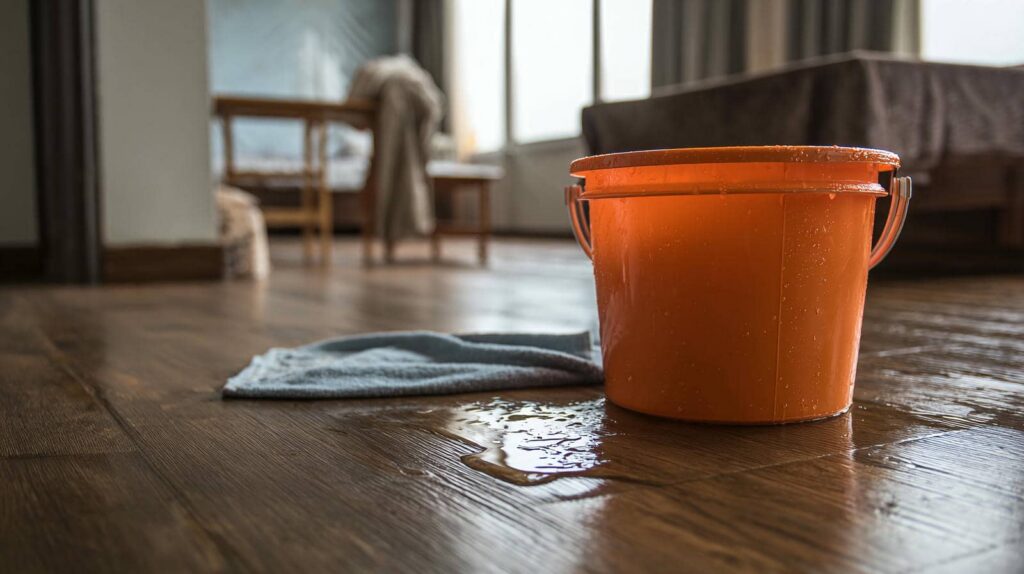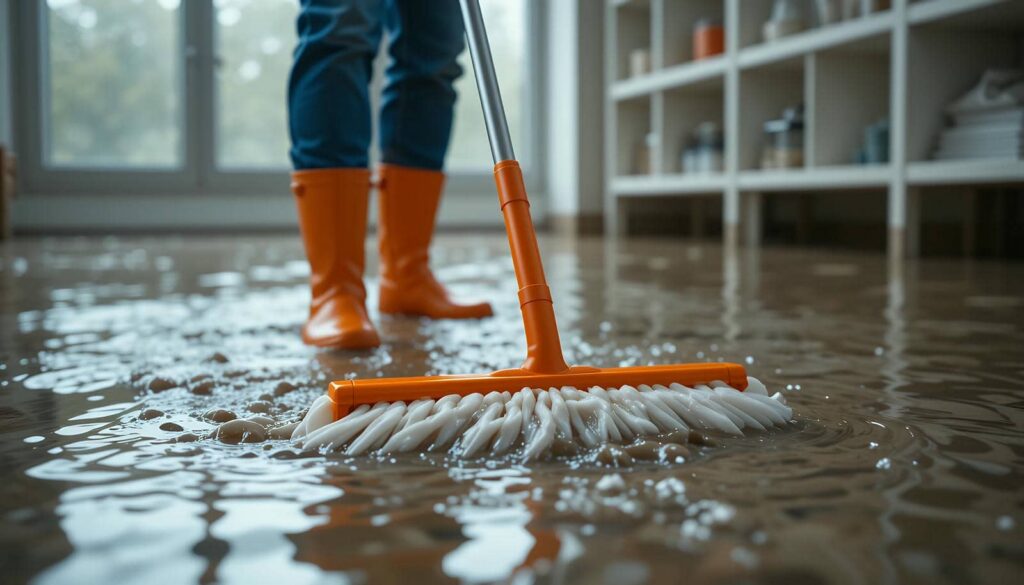
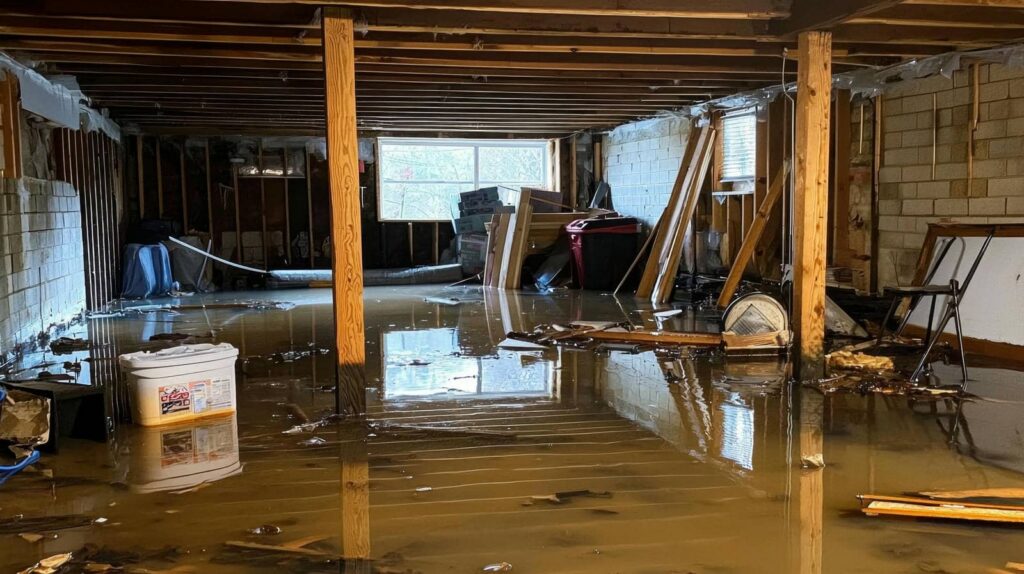
Many homeowners underestimate the long-term impact of unnoticed water damage. It can lead to serious structural issues and mold growth if not assessed promptly. Effective damage assessment techniques are essential for identifying both visible and hidden moisture intrusion. Understanding these methods can help you mitigate risks and ensure a detailed evaluation. Let’s explore the critical steps and tools you’ll need to conduct a thorough water damage assessment.
Key Takeaways
- Identify visible signs of water damage, such as discoloration, stains, and mold growth, to assess immediate issues.
- Use moisture meters to measure dampness in walls and floors for an accurate assessment of hidden damage.
- Inspect less visible areas like basements and attics to uncover potential hidden moisture accumulation.
- Document findings meticulously with photos and notes to support insurance claims and track damage progression.
- Prioritize safety by wearing protective gear and ensuring proper ventilation during the assessment process.
Why Assessing Water Damage Matters
Evaluating water damage matters because it directly impacts both safety and property value.
When you assess water damage, you identify potential long-term effects like mold growth or structural weakening, which can compromise your home’s integrity. Early detection allows you to implement effective prevention strategies, saving you from costly repairs down the line.
By addressing issues promptly, you protect your investment and ensures a safe living environment for your family. Understanding the nuances of water damage helps you feel more connected within your community, as you share insights and solutions with neighbors facing similar challenges.
Ultimately, proactive assessment fosters a sense of belonging and responsibility, reinforcing the value of maintaining a safe and healthy home.
Visible Signs of Water Damage in Homes
When evaluating water damage, you should look for common visual indicators like stains, discoloration, or peeling paint.
These signs often point to underlying moisture problems that can lead to structural damage. Identifying these issues early can save you time and costly repairs down the line.
Common Visual Indicators
Water damage often leaves behind clear visual indicators that can help homeowners identify issues before they escalate.
Look for discoloration on walls and ceilings, which may indicate moisture intrusion. Stains, especially yellow or brown, often signal a leak.
Pay attention to peeling paint or wallpaper; this can also suggest trapped moisture underneath. Mold growth is another critical indicator, often appearing as dark spots in damp areas.
If you notice a musty odor, it’s a sign that moisture detection is necessary.
Check for buckling or warped flooring, as this can indicate water exposure.
Structural Damage Signs
Visual indicators of water damage can also hint at more serious structural issues. It’s vital to recognize these signs to maintain your home’s foundation integrity and overall structural integrity.
Regular inspections can help you catch problems early, potentially saving on repair costs.
- Cracks in walls or ceilings
- Sagging or uneven floors
- Warped or buckled support beams
- Peeling paint or wallpaper
- Signs of mold growth
These signs often indicate hidden leaks or excessive moisture levels, leading to material deterioration.
If you notice any of these issues, it’s important to address them promptly. The longer you wait, the more extensive and costly the repairs can become.
Stay proactive about your home’s health to ensure its safety and longevity.
Top Signs of Hidden Water Damage to Look For
When evaluating for hidden water damage, you should pay attention to unexplained musty odors, which often indicate dampness behind walls.
Discolored walls and ceilings can signal moisture intrusion, while peeling paint or wallpaper may suggest underlying issues.
Identifying these signs early can help you address potential damage before it worsens.
Unexplained Musty Odors
Although you mightn’t see any obvious signs of water damage, unexplained musty odors can be a strong indicator of hidden issues.
These odors often stem from moisture accumulation, which can lead to mold growth and structural damage. To effectively address potential problems, consider these key odor sources:
- Leaking pipes or fixtures
- Hidden damp areas behind walls
- Attics or basements with inadequate ventilation
- Flooding or water intrusion events
- Old carpets or upholstery retaining moisture
Using moisture detection tools can help pinpoint where the issue lies.
Addressing these musty odors promptly can save you from costly repairs and ensure a healthier living environment.
Stay vigilant and proactive to maintain the integrity of your home.
Discolored Walls And Ceilings
Discolored walls and ceilings can signal hidden water damage lurking beneath the surface. If you notice water stains, it’s essential to investigate further. These stains often indicate prolonged exposure to moisture, which can weaken structural integrity and promote mold growth.
Use moisture detection tools to assess the extent of the problem. Look for color changes, bubbling, or peeling paint, as these may also point to underlying issues. Addressing discolored areas promptly can save you from more extensive repairs down the line.
Peeling Paint Or Wallpaper
Water damage can manifest in various ways, and peeling paint or wallpaper is a clear indicator of potential issues. When you notice peeling surfaces, it’s crucial to investigate further. This often signals hidden moisture sources that can lead to more severe damage if left unaddressed.
Here are key points to take into account:
- Check for leaks in plumbing or roofing.
- Look for areas with high humidity, like bathrooms or kitchens.
- Inspect windows and doors for poor seals.
- Assess the condition of insulation behind walls.
- Monitor for signs of mold, which can thrive in damp environments.
Addressing these concerns promptly can save you from costly repairs and ensure a healthier living space.
Stay vigilant to protect your home!
Step-By-Step Water Damage Assessment Guide
When facing water damage, a systematic assessment is essential for effective remediation. Start by identifying water sources like leaks or flooding. Check plumbing, roofs, and appliances for visible signs of moisture.
Use assessment tools such as moisture meters to gauge dampness in walls and floors. Next, inspect hidden areas, including basements and attics, where water may accumulate unnoticed.
Document your findings with photographs and notes to track the extent of the damage. As you work, prioritize safety by wearing protective gear and ensuring adequate ventilation.
Finally, determine the necessary steps for remediation based on your assessment. This thorough approach helps you address the immediate issue while fostering a sense of community and support in recovery efforts.
Common Mistakes to Avoid During Water Damage Assessment
While evaluating water damage, it’s easy to overlook critical details that can lead to bigger problems later. Common assessment pitfalls and evaluation errors can compromise your results.
To ensure a thorough assessment, keep these mistakes in mind:
- Ignoring hidden moisture sources
- Rushing through the inspection process
- Neglecting to document findings accurately
- Failing to assess structural integrity
- Overlooking potential mold growth
Identify Essential Tools for Water Damage Assessment
Effective water damage assessment hinges on having the right tools at your disposal. Moisture meters are essential for accurately measuring the moisture content in various materials. They help you identify hidden dampness that mightn’t be visible but can lead to serious issues over time.
Thermal imaging cameras are another critical tool, allowing you to visualize temperature differences that indicate moisture presence behind walls or under floors. These tools work together to give you a thorough understanding of the extent of water damage.
When to Hire Professional Water Damage Assessors?
How do you know when it’s time to call in professional water damage assessors? You should consider hiring experts if you face significant water intrusion that exceeds your capability to handle. Their professional qualifications ensure thorough evaluations, which can expedite your assessment timelines.
Here are some indicators that it’s time to reach out:
- Extensive water damage affecting multiple rooms
- Persistent moisture or mold growth despite your efforts
- Structural concerns, like sagging ceilings or warped floors
- Difficulty locating the source of water intrusion
- Urgency in addressing potential health risks
Effective Damage Documentation for Insurance Claims
Documenting water damage accurately is essential for a successful insurance claim. Start by taking clear photos of the affected areas, noting specific details like water levels and damage extent.
Use proper insurance terminology to describe what you’ve observed; terms like “structural damage” or “mold growth” can strengthen your case. Create an inventory of damaged items, including their value and purchase date.
Keep receipts and maintenance records handy; these documents bolster your claim process. Don’t forget to note the date of the incident and any communications with your insurer.
This thorough documentation builds a solid foundation for your claim, ensuring you’re prepared for any follow-up questions and maximizing your chances of a favorable outcome.
Next Steps After Documenting Water Damage
After you’ve documented the water damage, it’s crucial to act quickly to mitigate further issues.
Prioritize your restoration strategies to ensure a swift recovery. Here are the next steps you should take:
- Contact a professional restoration service to assess the damage further.
- Set your restoration priorities based on the severity and location of the damage.
- Begin drying out affected areas to prevent mold growth and structural issues.
- Remove damaged materials such as carpets or drywall, if necessary, to expedite the drying process.
- Communicate with your insurance company to discuss coverage and next steps.
Taking these actions promptly can greatly reduce the long-term impacts of water damage and help restore your space efficiently.
Frequently Asked Questions
How Long Does Water Damage Assessment Usually Take?
Water damage assessment usually takes one to three hours, depending on the severity and size of the area affected. Utilizing efficient assessment methods, you can understand the water damage timeline and plan your recovery effectively.
What Qualifications Should a Professional Water Damage Assessor Have?
A professional water damage assessor should have relevant certifications, like IICRC, and be skilled in using specialized assessment tools. These qualifications ensure they accurately evaluate damage and recommend effective remediation strategies for your situation.
Can I Assess Water Damage Myself Effectively?
Yes, you can assess water damage yourself effectively. By using DIY techniques, employing assessment tools, and understanding the signs of moisture, you’ll gain confidence in your ability to identify issues and take action promptly.
What Are the Health Risks Associated With Water Damage?
Water damage can lead to mold growth, which poses serious health risks like respiratory issues and allergies. Additionally, compromised structural integrity can create unsafe living conditions, making it essential to address water damage promptly.
How Often Should I Conduct Water Damage Assessments?
You should conduct water damage assessments at least twice a year, ideally during seasonal inspections. Regular checks help you implement preventive measures, ensuring your space stays safe and minimizing health risks associated with water damage.
Conclusion
Evaluating water damage is essential for protecting your home from catastrophic consequences. By identifying both visible and hidden signs, using the right tools, and documenting everything meticulously, you can avoid the pitfalls of neglect. Remember, your home’s integrity is as fragile as a soap bubble—one wrong move can lead to disaster. If you’re unsure, don’t hesitate to call in professionals. Taking proactive steps now can save you from monumental headaches later.