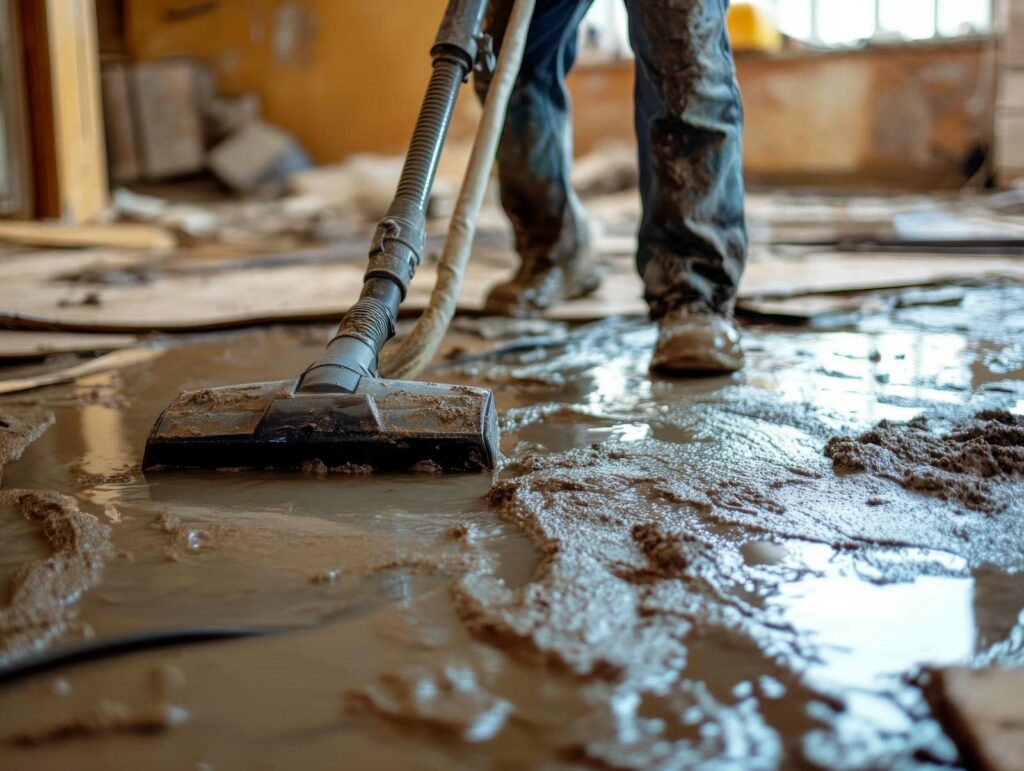
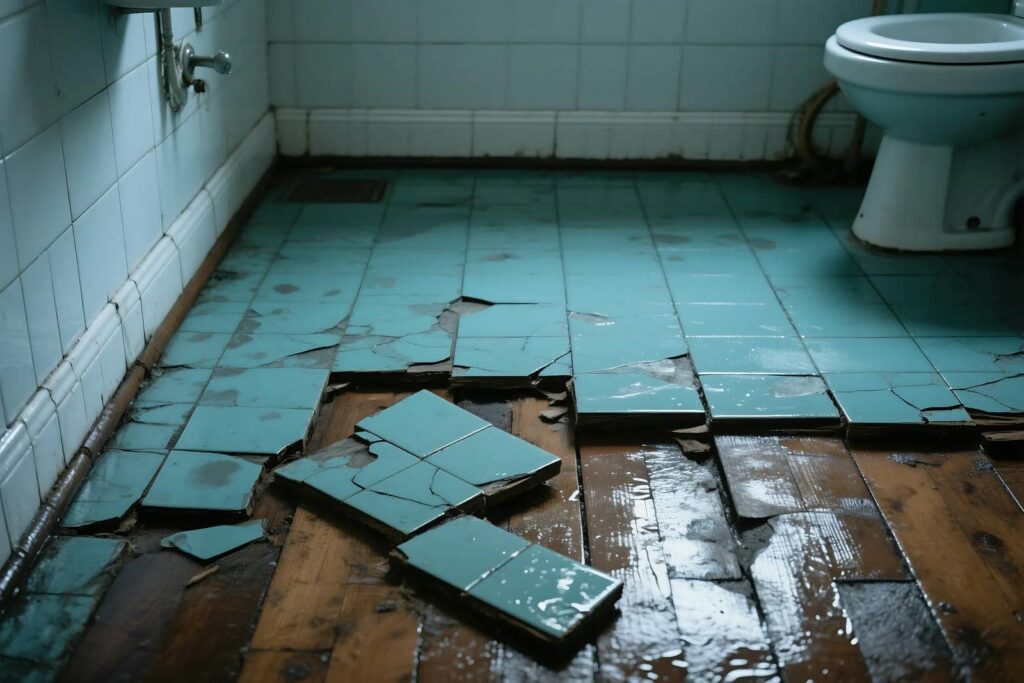
Cleaning up sewage is like maneuvering through a minefield—one misstep can lead to serious health risks. You need to approach this task with caution and a clear plan. Understanding the essential emergency sewage cleanup safety precautions can make a significant difference in protecting yourself and others. From the right personal protective equipment to effective ventilation techniques, each step is critical. What’s the first move you should make to ensure your safety?
Key Takeaways
- Wear heavy-duty, chemical-resistant gloves and waterproof boots to protect against contaminants during sewage cleanup.
- Use N95 respirators to filter harmful airborne particles and maintain a safe breathing environment.
- Ensure proper ventilation by opening windows and using fans to circulate fresh air throughout the area.
- Establish clear barriers to mark contaminated zones and prevent unauthorized access to hazardous areas.
- Seek professional assistance for extensive contamination or complex cleanup tasks to ensure safety and effectiveness.
How to Safely Clean Up Sewage: Step-by-Step Guide
Cleaning up sewage can be challenging, but following a clear step-by-step guide makes it manageable.
First, verify you’re wearing appropriate protective gear—gloves, goggles, and masks are essential for sewage safety. Next, ventilate the area to dissipate harmful odors.
Begin the cleanup by containing the area, using barriers to prevent further spread. Employ effective cleanup techniques, like using absorbent materials to soak up excess liquid.
After that, disinfect surfaces thoroughly with a bleach solution, verifying you follow the manufacturer’s instructions.
Lastly, dispose of contaminated materials safely, following local regulations.
By adhering to these steps, you protect yourself and contribute to a safer environment for your community.
Understanding the Risks of Sewage Cleanup Exposure
While tackling sewage cleanup, it’s essential to recognize the various risks associated with exposure to contaminated materials. Sewage contains harmful pathogens and bacteria that can lead to serious health issues.
Performing a thorough risk assessment helps you identify potential hazards and implement effective infection control measures. Without proper precautions, you might expose yourself to infections or other illnesses.
It’s vital to understand that even minor contact with contaminated surfaces can pose significant risks. Always stay informed about the specific dangers related to the type of sewage you’re dealing with.
Preparing for Sewage Cleanup: Essential Personal Protective Equipment (PPE)
Safety during sewage cleanup hinges on the proper use of Personal Protective Equipment (PPE). Selecting the right PPE types is essential for minimizing exposure risks.
Before diving into cleanup, make sure you conduct a thorough risk assessment and receive adequate safety training.
Here are essential PPE items to take into account:
- Gloves: Use heavy-duty, chemical-resistant gloves to protect your hands.
- Boots: Waterproof, slip-resistant boots shield your feet from contaminants.
- Masks: Wear N95 respirators to filter out harmful airborne particles.
Additionally, don’t forget about gear maintenance; regularly inspect and clean your PPE to ensure it remains effective.
Secure the Area to Prevent Unauthorized Access
Securing the area is essential to prevent unauthorized access during sewage cleanup. You need to establish clear area barriers, such as fences or warning signs, to mark the contaminated zone. This protects bystanders and ensures that your cleanup crew can work safely without distractions.
Use cones or tape to delineate hazardous zones, making it clear which areas are off-limits. Regularly check these barriers to maintain their integrity, as unauthorized entry can lead to serious health risks.
Inform nearby residents about the situation, so they understand the importance of staying away. By taking these steps, you’ll create a safer environment for everyone involved in the cleanup process.
How to Ventilate Your Space During Sewage Cleanup
Effective ventilation is essential during sewage cleanup to minimize harmful odors and airborne pathogens. By improving air quality, you create a safer environment for yourself and others.
Here are some effective ventilation methods you can use:
- Open windows and doors: This allows fresh air to flow in, helping to dissipate lingering odors.
- Use fans: Set up box or oscillating fans to circulate air and push out contaminated air.
- Install air purifiers: These can trap airborne particles, further improving air quality during the cleanup process.
Safe Disposal of Contaminated Materials
When dealing with sewage cleanup, understanding how to safely dispose of contaminated materials is essential to protecting both your health and the environment.
First, separate contaminated items from unaffected ones, ensuring you wear protective gear.
For contaminated material disposal, seal items in heavy-duty plastic bags and label them clearly.
Contact local waste management authorities to identify appropriate disposal methods, as regulations vary by location.
Never dispose of sewage-related waste in regular trash. Instead, utilize facilities designed for hazardous waste.
Safe waste management safeguards your well-being and minimizes environmental impact.
How to Properly Decontaminate Tools and Equipment After Sewage Cleanup
After ensuring the safe disposal of contaminated materials, it’s important to focus on the decontamination of tools and equipment used during sewage cleanup.
Proper tool disinfection methods are vital to prevent further contamination and ensure safety. Follow these essential equipment safety protocols:
- Clean surfaces: Rinse all tools with clean water to remove debris.
- Disinfect: Use a solution of bleach and water (1:10 ratio) or EPA-approved disinfectants to thoroughly sanitize each item.
- Dry and store: Allow tools to air dry completely before storing them in a clean, dry area.
Recognize Signs of Sewage-Related Health Issues
Recognizing signs of sewage-related health issues is essential for your well-being, especially if you’ve been exposed to contaminated environments. Symptoms can vary, but common indicators include nausea, diarrhea, skin rashes, and respiratory problems.
Pay attention to these symptoms, as early detection can greatly impact your recovery. Health monitoring is vital; keep a record of any changes you notice and consult a healthcare professional if symptoms persist or worsen.
Understanding symptom recognition helps you differentiate between mild reactions and more serious conditions, prompting timely action when needed. By staying vigilant and proactive, you protect yourself and contribute to the health of those around you.
When to Call in Professional Sewage Cleanup Services?
When faced with sewage cleanup, you should assess the situation carefully.
If extensive contamination is present, the health risks escalate, making professional help essential.
Complex cleanup tasks often require specialized equipment and expertise that you mightn’t have.
Extensive Contamination Assessment Needed
If you suspect extensive contamination from a sewage incident, it’s vital to act promptly and consider professional cleanup services. Identifying contamination sources is essential for effective remediation.
You should perform a thorough risk assessment to determine the extent of the hazard. Here are key signs that indicate you need professional help:
- Presence of raw sewage or strong odors
- Extensive water damage affecting building materials
- Inaccessible areas that require specialized equipment
Ignoring these signs can lead to further complications, including structural damage and health risks.
Health Risks Are High
Given the serious health risks associated with sewage exposure, calling in professional cleanup services is essential. Sewage carries harmful bacteria that can lead to severe infections.
If you’re faced with a sewage spill, it’s important to recognize when the risks outweigh your ability to manage the situation safely. Professionals are trained to handle bacterial exposure effectively, ensuring thorough sanitation and minimizing health hazards.
They possess the right equipment and knowledge to contain contaminants, which is critical for infection prevention. If you notice signs of illness or if the area is extensive, don’t hesitate to reach out for expert help.
Prioritizing your health and safety is key—making the choice to call in professionals is a responsible and necessary step.
Complex Cleanup Required
Sewage cleanup often requires specialized knowledge and equipment, especially in cases of significant contamination. If you encounter a situation involving extensive sewage spills, it’s essential to recognize when to call in professionals.
They’ve the expertise to implement effective containment strategies and address bacterial hazards safely. Consider reaching out for help if:
- The area affected is large or inaccessible.
- You notice strong odors or visible sewage contamination.
- There’s a risk of exposure to harmful pathogens.
Professional services ensure a thorough cleanup while minimizing health risks. By trusting experts, you’re taking a proactive step toward a safe and healthy environment for yourself and your community.
Don’t hesitate to prioritize safety when faced with complex sewage challenges.
Post-Cleanup Health and Safety Assurance Steps
Once the cleanup is complete, ensuring your health and safety requires a systematic approach.
First, implement robust post cleanup sanitation protocols. This includes thoroughly disinfecting all affected areas and using appropriate cleaning agents to eliminate any lingering pathogens.
Next, monitor your health over the long term. Regular check-ups can help identify any potential issues early, especially if you were exposed to contaminants. Keep an eye on any unusual symptoms and consult a healthcare professional if needed.
Additionally, educate your household about potential health risks and encourage open discussions about any concerns.
Frequently Asked Questions
What Are Common Symptoms of Sewage Exposure?
You might experience nausea, vomiting, diarrhea, or skin irritation after sewage exposure. These symptoms highlight the sewage health risks you face, emphasizing the need for prompt medical attention if you notice any concerning exposure symptoms.
How Long Does Sewage Contamination Remain Hazardous?
Sewage contamination can remain hazardous for days to weeks, depending on conditions. Its persistence varies with temperature and exposure, so you should always treat affected areas with caution until thorough cleaning and assessment are completed.
Can Pets Be Affected by Sewage Exposure?
Yes, pets can be affected by sewage exposure. Sewage dangers pose significant risks to pet health, including infections and gastrointestinal issues. It’s essential to keep them away from contaminated areas to ensure their safety.
What Should I Do if I Ingest Contaminated Water?
If you swallow contaminated water, don’t panic—your body’s a fortress. Rinse your mouth, drink clean water, and seek medical advice. Preventative measures are key, but know treatment options exist to safeguard your health.
Are There Specific Cleaning Products Recommended for Sewage Cleanup?
For sewage cleanup, use products like bleach and enzymatic cleaners. Always wear safety gear, including gloves and masks. Employ proper cleanup techniques to ensure thorough sanitation, protecting yourself and your environment from harmful pathogens.
Wrap-Up
In the aftermath of a sewage cleanup, think of your space as a canvas—each brushstroke of disinfectant painting over potential hazards. By following these safety precautions, you protect your health and restore your environment to a safe haven. Remember, vigilance is key; monitor yourself for any symptoms and never underestimate the power of professional help when needed. Your well-being and safety should always be the masterpiece you prioritize.