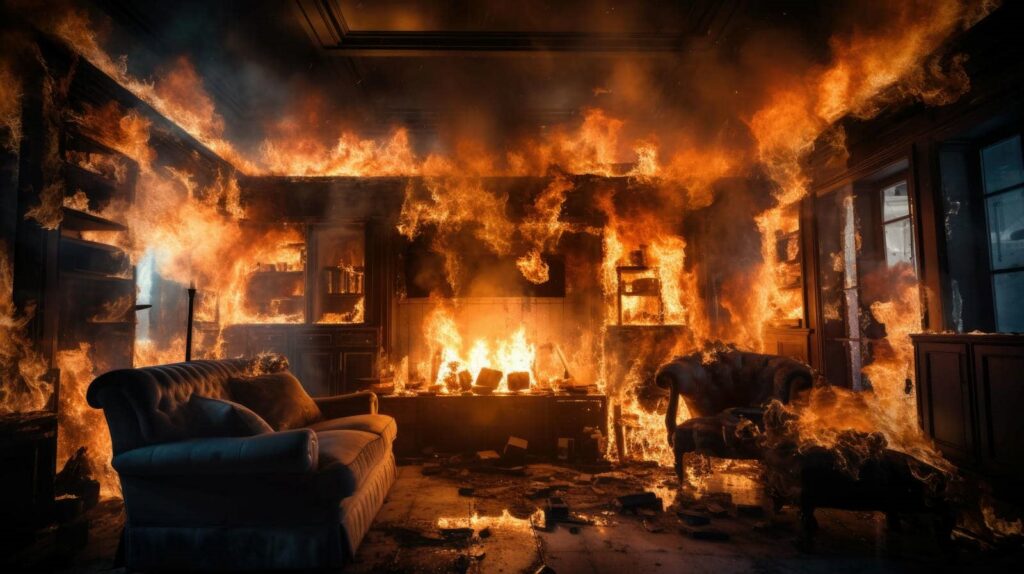
Smoke damage lingers like an unwelcome ghost, haunting your space with hidden dangers. You might not realize how deeply it penetrates materials, affecting air quality and health. Following smoke damage restoration steps isn’t just about cleaning; it’s about safeguarding your home and well-being. Understanding the process can help you make informed decisions that prevent further damage. So, what steps should you take to ensure a thorough recovery?
Key Takeaways
- Following these steps ensures thorough assessment and effective cleaning to mitigate health risks associated with smoke damage.
- Timely action prevents further deterioration and entrenched odors, which are harder to remove later.
- Engaging professionals facilitates proper handling of insurance claims and restoration processes.
- Utilizing specialized techniques and materials ensures more effective removal of smoke residues.
- Proper documentation supports claims validity and enhances recovery efficiency with insurance providers.
Understanding Smoke Damage: What You Need to Know
When a fire occurs, it’s vital to understand that smoke damage can be just as devastating as flames. Smoke carries complex compounds generated through fire chemistry, which can penetrate various materials in your home.
Knowing how these toxic particles interact with surfaces helps you grasp the urgency of restoration. For instance, porous materials like fabrics or drywall can absorb smoke, leading to lingering odors and health risks.
Utilizing appropriate restoration materials is important; not all cleaning agents are effective against smoke residue. Specialized products can effectively neutralize the chemicals, restoring your space to its original condition.
How to Check for Smoke Damage in Your Home
Although it may not be immediately visible, checking for smoke damage in your home requires a systematic approach to ensure you don’t overlook any hidden effects.
Start with smoke detection; use specialized restoration equipment to assess affected areas. Look for discoloration or soot on walls, ceilings, and furniture. This soot removal is critical, as it can affect air quality and pose health risks.
Conduct a thorough property assessment, checking HVAC systems for contamination. Don’t forget fire safety; verify smoke alarms are functional.
Review your insurance options, as some policies cover smoke damage restoration. Always take health precautions, wearing masks and gloves while inspecting areas, to protect yourself from harmful residues.
Why You Need Professional Help
Smoke damage can be deceptively insidious, making professional help essential for thorough restoration. While you might attempt smoke removal on your own, the lingering health hazards—like soot and harmful chemicals—require specialized restoration techniques.
Professional services can perform a detailed damage assessment, ensuring all affected areas are addressed. They also know how to navigate insurance claims effectively, maximizing your benefits while minimizing your stress.
Additionally, experts can implement prevention strategies to protect your home from future incidents. Their training in safety measures ensures that every step taken is secure, safeguarding both you and your property.
Relying on professionals fosters a sense of community, as you connect with those dedicated to restoring your safe haven.
Steps to Secure Your Property After a Fire
After a fire, your first step is to assess the extent of the damage to understand what needs immediate attention.
It’s essential to contact professionals right away to ensure safety and proper restoration.
Finally, secure any open areas to prevent further damage or unauthorized access to your property.
Assess Damage Extent
When evaluating the extent of damage following a fire, it’s essential to take a systematic approach. Start with a thorough damage assessment to identify affected areas and materials.
- Inspect walls, ceilings, and floors for soot and char.
- Check for hidden moisture in walls and furniture.
- Assess any structural damage that could compromise safety.
- Evaluate air quality and ventilation systems for lingering smoke.
- Document everything meticulously for insurance and restoration techniques.
This methodical evaluation helps you understand the severity of the situation and guides you in selecting appropriate restoration techniques.
Contact Professionals Immediately
Contacting professionals immediately is essential in the aftermath of a fire to secure your property and mitigate further damage.
Fire safety is paramount, and trained experts employ specific restoration techniques aimed at addressing smoke and soot damage effectively. These professionals assess the extent of the damage and formulate a tailored plan, ensuring that hazardous materials are handled safely and efficiently.
By acting swiftly, you minimize the risk of secondary damage, such as mold growth, which can complicate recovery efforts. Their specialized equipment and knowledge enable them to restore your space while adhering to safety regulations.
Don’t hesitate—bringing in professionals protects your property and provides peace of mind during a challenging time.
Secure Open Areas
Securing open areas after a fire is essential to protect your property from further damage and potential intrusions. Taking immediate action helps maintain safety and begins the restoration process.
Here are key steps to follow:
- Board up windows and doors to prevent unauthorized access.
- Cover any exposed areas with tarps to shield against weather elements.
- Implement proper ventilation methods to disperse smoke odors and improve air quality.
- Install air purification systems to filter out harmful particles and contaminants.
- Regularly inspect the property to ensure security measures remain effective.
Cleaning Techniques for Smoke Damage Restoration
To effectively restore your property after smoke damage, you’ll first need to assess the extent of the damage.
Once you’ve identified affected areas, you can implement targeted cleaning methods, ensuring you tackle soot and residue effectively.
Finally, odor neutralization techniques will be essential to eliminate lingering smells and restore a fresh environment.
Assessing Smoke Damage Extent
While evaluating the extent of smoke damage, it’s essential to systematically examine affected areas to determine the best cleaning techniques for restoration.
Start with thorough damage assessment techniques and employ various visual inspection methods. By doing so, you can identify the severity and scope of the damage.
Consider the following steps:
- Inspect walls, ceilings, and floors for discoloration.
- Check for odors that indicate deeper residue.
- Assess items for soot accumulation.
- Evaluate HVAC systems for contamination.
- Document findings for insurance or restoration professionals.
This meticulous approach helps you understand the damage’s impact, guiding your restoration efforts effectively.
Taking these steps fosters a sense of community, showing you’re not alone in managing the complexities of smoke damage restoration.
Effective Cleaning Methods
Once you’ve assessed the smoke damage, employing effective cleaning methods becomes essential for restoring your space.
Start by using eco-friendly solutions that effectively break down soot and residues without harming your environment. Consider employing advanced technology, like HEPA filters and ozone generators, to enhance air quality during the cleaning process.
For surfaces, use a combination of wet cleaning and dry cleaning techniques tailored to the material type. A mixture of water and mild detergent can work wonders on non-porous surfaces, while specialized solvents are ideal for delicate fabrics.
Don’t forget to vacuum thoroughly with a high-efficiency particulate air (HEPA) filter to capture lingering particles.
Odor Neutralization Techniques
Even after thorough cleaning, persistent smoke odors can linger, necessitating effective odor neutralization techniques. To reclaim your space, consider the following methods:
- Odor absorption methods: Use activated charcoal or baking soda to absorb lingering smells.
- Smoke removal products: Invest in specialized cleaners designed to tackle smoke damage.
- Scent masking techniques: Apply essential oils or air fresheners to temporarily mask odors.
- Air purification solutions: Utilize HEPA filters or air purifiers to improve air quality.
- Deodorizing agents: Explore natural remedies like vinegar or professional treatments involving ozone generators and thermal fogging.
Implementing these strategies will enhance your environment and restore a sense of comfort and belonging.
What Are the Health Risks of Smoke Damage?
Smoke damage poses significant health risks, particularly when you consider the toxic substances released during a fire. These substances can lead to serious health effects, primarily affecting your respiratory system. Inhalation of smoke can cause respiratory issues like asthma, chronic bronchitis, and even lung infections.
Furthermore, prolonged exposure may result in more severe conditions, such as pulmonary disease.
Beyond physical health, the aftermath can also impact your mental health. The stress and anxiety from dealing with smoke damage can lead to emotional distress and exacerbate existing mental health issues.
It’s essential to address these risks promptly. By understanding the health implications, you can take informed steps toward restoration and recovery, ensuring a safer environment for yourself and your loved ones.
How to Prevent Future Smoke Damage?
Addressing the health risks associated with smoke damage is essential, but taking proactive measures can greatly reduce the likelihood of future incidents.
Implementing effective fire prevention strategies and improving air purification in your home are vital.
- Install smoke detectors in key areas and test them monthly.
- Create and practice a fire escape plan with your family.
- Keep flammable materials stored safely away from heat sources.
- Invest in an air purifier to remove smoke particles from the air.
- Regularly clean and maintain HVAC systems to prevent smoke buildup.
Insurance Considerations for Smoke Damage Claims
When dealing with smoke damage claims, it’s essential to understand your policy limits to ensure adequate coverage.
You should document all damage thoroughly, as this evidence will support your claim’s validity.
Additionally, filing claims promptly can expedite the process and help you recover more efficiently.
Understand Your Policy Limits
How well do you understand your insurance policy limits regarding smoke damage? Knowing your policy coverage is essential for effective claims management.
Familiarizing yourself with the specifics can save you time and stress during restoration.
- Review your policy documents carefully.
- Identify your claim limits for smoke damage.
- Understand exclusions that might apply.
- Check if you have additional living expenses coverage.
- Consult with your insurance agent for clarification.
Document All Damage Thoroughly
To ensure a smooth claims process, you need to document all smoke damage thoroughly. Start by creating a thorough list of affected items and areas.
Take detailed photographs of the damage, ensuring you capture different angles and close-ups to provide clear photographic evidence. This documentation will be essential for your insurance claim, as it substantiates your loss and aids adjusters in evaluating the situation.
Organize your findings systematically—include descriptions, dates, and any relevant communication with professionals. This meticulous approach strengthens your claim and fosters trust with your insurer.
File Claims Promptly
Filing your insurance claims promptly after experiencing smoke damage is crucial, as delays can hinder your coverage and recovery process.
When you take immediate action, you enhance your chances of a smoother claim processing experience.
Here’s what you should do:
- File documentation of all damage as soon as possible.
- Notify your insurer within the stipulated timeframe.
- Provide detailed accounts of the incident and damages.
- Follow up regularly on your claim’s status.
- Keep copies of all correspondence for your records.
The Long-Term Benefits of Proper Smoke Damage Restoration
While you may think the immediate effects of smoke damage are the only concerns, addressing these issues properly can yield significant long-term benefits.
Employing effective restoration techniques enhances your property’s value and ensures its structural integrity. By investing in thorough cleanup and repair, you’ll achieve long-term savings on future repairs and potential health costs.
Additionally, a well-restored environment supports emotional recovery, allowing you and your loved ones to reconnect with your space.
It’s also vital to reflect on the environmental impact; responsible restoration practices minimize waste and promote sustainability.
Ultimately, prioritizing proper smoke damage restoration benefits you, your community, and the environment, solidifying your place in a caring, responsible network.
Quick Action: Why Timing Is Crucial for Restoration
When smoke damage occurs, acting quickly is essential to minimize further deterioration and health risks. The timing importance of your immediate response can’t be overstated.
Delaying action can lead to more extensive damage and costly repairs.
- Smoke residues can etch surfaces within hours.
- Odors become entrenched, making removal challenging.
- Health hazards, like respiratory issues, increase over time.
- Mold growth can begin in damp areas within 24-48 hours.
- Insurance claims may be affected by delays.
Frequently Asked Questions
Can Smoke Damage Affect My Home’s Property Value?
Yes, smoke damage can greatly lower your home’s property value. You’ll need a thorough property assessment for insurance claims; without proper restoration, lingering odors and stains may deter potential buyers, affecting resale opportunities.
How Long Does Smoke Damage Restoration Typically Take?
Smoke damage restoration typically takes one to three weeks, depending on the severity. You’ll need thorough smoke odor removal, which impacts the restoration timeline. Staying informed during this process can help you feel more connected and secure.
What Are Common Myths About Smoke Damage?
You might believe that air fresheners eliminate smoke odors, but they don’t address soot cleaning. Effective restoration requires thorough odor removal and specialized techniques, ensuring a complete and lasting solution to smoke damage issues.
Can I Handle Smoke Damage Restoration Myself?
Smoke damage cases require professional intervention. While DIY restoration might seem tempting, effectively eliminating smoke odors and restoring property demands specialized techniques and equipment you likely don’t have. Don’t risk it; consider professionals.
What Items Are Most Affected by Smoke Damage?
Items most affected by smoke damage include upholstery, carpets, and wooden furniture. You’ll need thorough furniture restoration and effective odor removal techniques to address lingering smoke odors and residue, ensuring your space feels fresh and inviting again.
Review
In the whirlwind of smoke damage restoration, don’t underestimate the power of quick action! You’re not just cleaning—you’re battling a relentless enemy that can invade every nook and cranny of your home. By following these steps, you’re not just restoring your space; you’re reclaiming your peace of mind and health. Think of it as a superhero mission: the sooner you act, the more lives (and walls) you save. So gear up and get to it—your home deserves nothing less!