When faced with an emergency water damage crisis, knowing the right steps can make all the difference. From identifying the cause to selecting the proper tools for cleanup, each action is critical. Understanding these processes ensures you effectively manage the situation and minimize long-term damage. Let’s explore what you need to know to handle water damage efficiently.
Key Takeaways
- Identify and shut off the water source immediately to prevent further damage and assess the situation safely.
- Remove standing water using appropriate tools like pumps or wet/dry vacuums for effective cleanup.
- Document all damage with photos for insurance purposes, ensuring to capture detailed evidence.
- Utilize fans and dehumidifiers to promote drying and prevent mold growth in affected areas.
- Choose a qualified restoration service with good reviews for efficient and reliable recovery assistance.
What Causes Water Damage and How to Identify It?
Water damage can occur from various sources, and understanding these causes is essential for effective identification and mitigation.
One common culprit is pipe leaks, which can result from corrosion, high water pressure, or improper installation. You might notice water stains or dampness in walls or ceilings, signaling a hidden leak.
Additionally, flood sources such as heavy rainfall, melting snow, or burst pipes can lead to significant water intrusion. Recognizing these signs early is vital.
Check for pooling water in basements or around foundations, as these conditions often indicate potential problems.
Take Immediate Action for Water Recovery
Once you’ve identified water damage in your home, swift action is vital to minimize further issues. A quick assessment of the situation is essential for effective emergency response. Here’s what you should do immediately:
Shut off the water source to prevent more damage.
Turn off electricity in affected areas to ensure safety.
Remove excess water using mops or towels.
Ventilate the space by opening windows and using fans.
Document the damage with photos for insurance claims.
Taking these steps promptly can greatly reduce long-term effects and costs.
Must-Have Tools for Water Damage Cleanup
While dealing with water damage can be overwhelming, having the right tools on hand makes the cleanup process more efficient and effective.
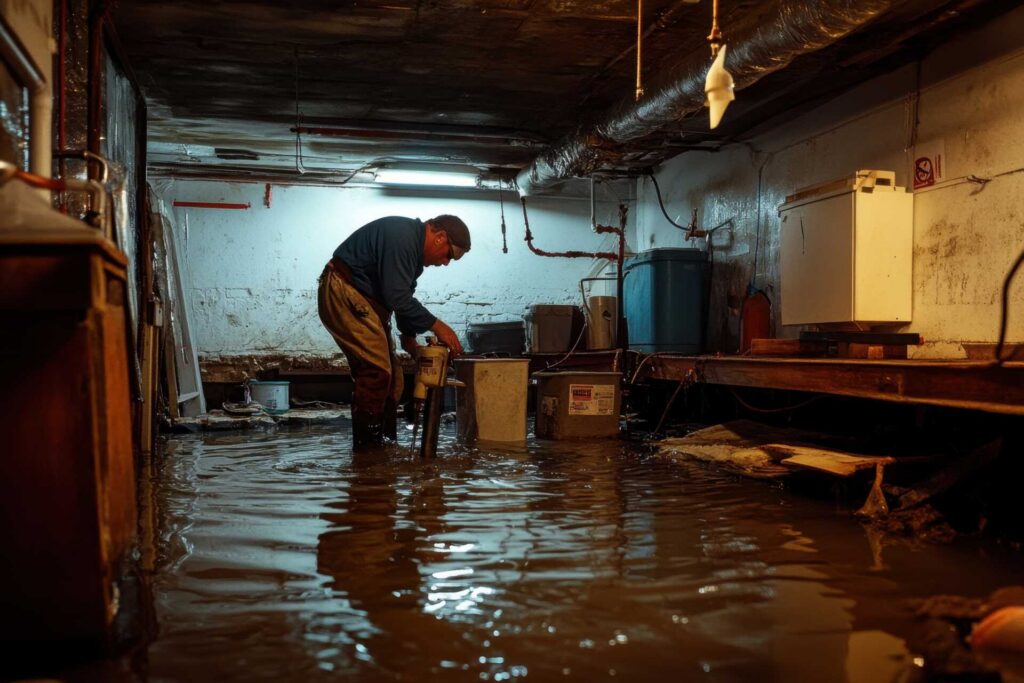
Start with a high-capacity water extraction pump to quickly remove standing water. This tool will greatly reduce the time and effort needed during the initial phase.
Next, invest in moisture detection meters; they’re vital for identifying hidden moisture in walls and floors, preventing future mold growth.
A wet/dry vacuum is also important for smaller areas and hard-to-reach spots.
Don’t forget about fans and dehumidifiers to promote airflow and drying.
Finally, protective gear, like gloves and masks, ensures your safety as you tackle cleanup.
With these tools, you’ll feel more prepared to restore your space.
How to Choose the Right Water Damage Restoration Service
How can you ensure you’re selecting the right water damage restoration service? Start by evaluating vital factors to make a sound choice. Here’s what to take into account:
Service Qualifications: Check for certifications and training in water damage restoration.
Experience: Look for a service with a proven track record in handling similar situations.
Customer Reviews: Read testimonials online to gauge client satisfaction and reliability.
Availability: Confirm the service operates 24/7 to address emergencies promptly.
Insurance Assistance: Verify they can help navigate insurance claims for your peace of mind.
Tips to Prevent Future Water Damage
Selecting the right water damage restoration service is just the first step; preventing future incidents is equally important. Start by inspecting your property for vulnerabilities, such as aging pipes or cracks in the foundation.
Implement effective drainage solutions around your home to redirect water away from your foundation. Regularly clean gutters and downspouts to prevent clogs that can lead to overflow. Additionally, install moisture barriers in basements and crawl spaces to inhibit mold growth and protect against seepage.
Ensure your landscaping slopes away from the house to further improve drainage. By taking these proactive measures, you safeguard your home and foster a sense of community resilience, ensuring your space remains a safe haven for you and your loved ones.
Frequently Asked Questions
How Long Does It Take for Water Damage to Manifest?
Water damage can manifest within minutes to hours. Early signs of water damage include discoloration, mold growth, and peeling paint. Understanding the water damage timeline helps you act promptly to mitigate further issues.
Can I Handle Water Damage Restoration Myself?
You can tackle DIY restoration, but be cautious. Water removal requires precision; neglecting details can worsen damage. Equip yourself with the right tools, and follow a methodical approach to ensure success while safeguarding your space.
What Types of Insurance Cover Water Damage?
Your homeowners insurance often covers water damage, but check for specifics. Flood insurance is essential for flooding incidents, while liability coverage protects you against claims related to water damage affecting others. Review your policy thoroughly.
Are There Health Risks Associated With Water Damage?
Yes, water damage can pose significant health risks. Mold exposure may lead to respiratory issues, while prolonged dampness can cause long-term consequences for your well-being. It’s essential to address these effects promptly and thoroughly.
How Can I Determine if Mold Has Developed?
Check for mold signs like discoloration, musty odors, or visible growth. Use a moisture meter to assess moisture levels in walls and surfaces. If levels exceed 20%, mold likely exists, requiring immediate action to mitigate damage.
Recap
Addressing water damage swiftly is essential. By knowing the causes, acting immediately, using the right tools, and selecting a qualified restoration service, you can effectively mitigate the impact on your property. Don’t forget to implement preventative measures to protect against future incidents. Your proactive approach today can save you from costly repairs tomorrow.