You might find it surprising that many fire damage situations escalate due to overlooked safety protocols. Before you even think about smoke damage cleanup, you need to ensure the area is secure and you’re equipped with protective gear. Once safety is established, you can begin evaluating the damage accurately. The next steps are essential for effective restoration, and understanding them can make a significant difference in the outcome. What comes next could change everything for your space.
Key Takeaways
- Prioritize safety by wearing protective gear and waiting for authorities to declare the area safe before entering.
- Assess damage using infrared cameras and moisture meters, documenting findings with photos for future reference.
- Start cleanup by ventilating the area, removing debris, and using HEPA vacuums for soot and residue.
- Clean surfaces with appropriate solutions, focusing on fabrics and porous materials to eliminate smoke odors.
- Consult professionals for extensive damage, lingering odors, or structural concerns to ensure thorough restoration.
Crucial Safety Steps to Take After a Fire
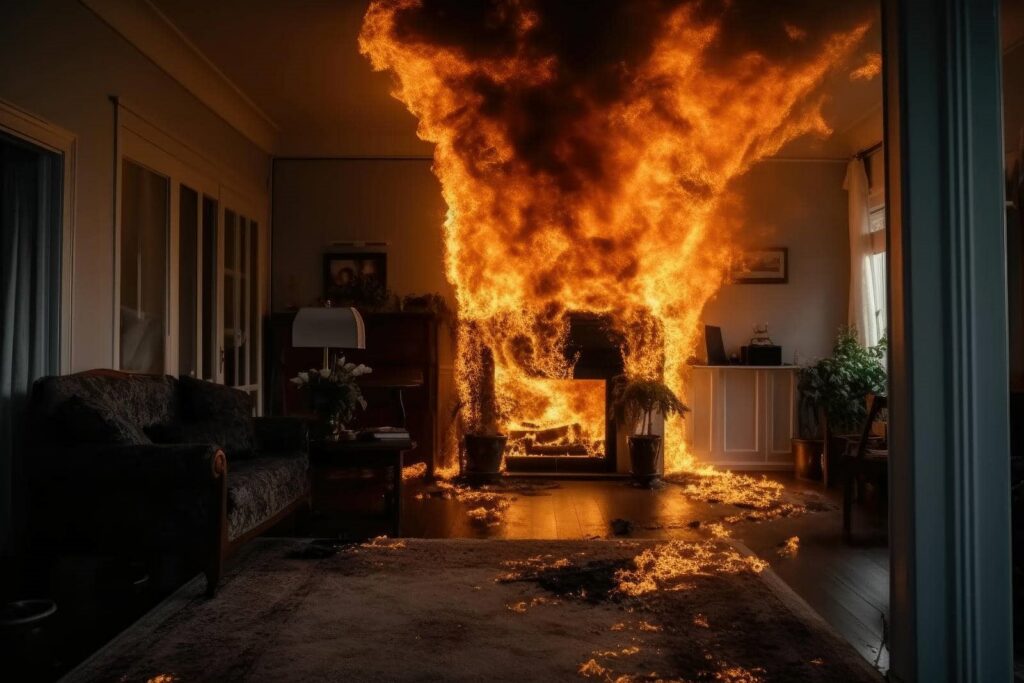
After a fire, it’s essential to prioritize safety before entering your home. Make sure local authorities declare the area safe; they’re trained for fire safety.
Wear protective gear, including gloves, masks, and sturdy footwear, to minimize exposure to harmful substances.
Check for structural damage; unstable walls or ceilings can pose serious risks. Avoid using electrical appliances until a professional inspects them, as they could cause further hazards.
Remember to stay alert for smoke or gas odors that might indicate lingering dangers. If you’re uncertain about your safety, contact a fire restoration expert.
Your personal protection should always come first, ensuring you can eventually return safely to your cherished space.
Prioritize these steps to safeguard your well-being.
How to Assess Fire Damage Effectively
Evaluating fire damage effectively involves a systematic approach to identify the extent of destruction and potential hazards.
Start by using assessment tools like infrared cameras and moisture meters to detect hidden damage indicators, such as structural weaknesses or lingering moisture.
Carefully inspect walls, ceilings, and floors for signs of charring or warping. Don’t forget to check electrical systems and appliances, as they may pose serious risks if compromised.
Document everything with photos and notes; this will help you understand the overall impact and guide your cleanup efforts.
Engaging with professionals can provide further insights, ensuring that you don’t overlook critical aspects.
Effective Smoke Damage Cleanup Steps
Once you’ve assessed the fire damage, addressing smoke damage becomes a priority. Start by ventilating the area—open windows and doors to let fresh air circulate.
Next, tackle residue removal. Use a vacuum with a HEPA filter to eliminate soot from surfaces. For fabric and upholstery, consider steam cleaning or using specialized cleaners designed for smoke odor removal.
Don’t overlook walls and ceilings; wipe them down with a damp cloth and appropriate cleaning solution. After cleaning, apply odor neutralizers to combat lingering smoke smells.
Finally, check for hidden pockets of residue in vents and ducts, as they can resurface odors. By methodically following these steps, you’ll create a cleaner, safer environment for everyone involved.
Cleaning and Repair Techniques for Fire-Damaged Spaces
Cleaning fire-damaged spaces requires a systematic approach to restore safety and livability. Start with debris removal, carefully clearing out charred materials and damaged furniture. This step creates a safer environment and helps you assess the extent of the damage.
Next, focus on soot treatment. Use specialized cleaners and techniques to remove soot from walls, ceilings, and surfaces, ensuring you don’t spread the residue further. Don’t forget to ventilate the area; fresh air aids in odor removal.
For porous materials, consider deep cleaning or replacement. Finally, inspect for structural integrity, addressing any weakened areas. By following these steps, you’ll create a solid foundation for your space, fostering a sense of belonging and comfort once again.
When Should You Call Professional Restoration Services?
After addressing initial cleanup efforts, you might wonder whether to tackle the remaining fire and smoke damage on your own or call in the experts.
If the damage is extensive, it’s wise to reach out to professional restoration services. They’ve the expertise and equipment needed for thorough remediation, which can be essential for your insurance claims.
Professionals can also help you navigate the restoration timeline, ensuring your home is safe and livable more quickly.
If you notice lingering odors, structural concerns, or health risks from soot and smoke, don’t hesitate to seek assistance.
Frequently Asked Questions
How Long Does Smoke Damage Cleanup Typically Take?
Smoke damage cleanup typically takes several days to weeks, depending on the extent of the damage. You’ll need proper cleanup equipment and techniques to eliminate the smoke odor effectively, ensuring your space feels like home again.
Can I Use Regular Cleaning Products for Smoke Damage?
When it comes to smoke damage, you can’t just throw caution to the wind. Regular cleaning products often lack the effectiveness needed; specialized cleaning techniques and solutions are essential for thorough restoration.
Will Insurance Cover Fire and Smoke Damage Cleanup?
Yes, your fire policy generally covers fire and smoke damage cleanup. After a damage assessment, contact your insurer to understand coverage limits and specific requirements to ensure you receive the necessary support for restoration.
What Are the Health Risks of Smoke Exposure?
Smoke exposure’s like a hidden thief, stealing your health. You risk serious smoke inhalation effects, including respiratory issues and long-term health risks, such as chronic bronchitis or heart disease. Protect yourself; breathe easy again.
How Can I Prevent Future Fire Damage?
To prevent future fire damage, you should prioritize fire safety by installing smoke detectors, creating escape plans, and regularly inspecting electrical systems. Implement preventive measures like keeping flammable materials away from heat sources and maintaining clear exits.
Conclusion
In the aftermath of a fire, taking methodical steps can make all the difference in restoring your space. As you assess damage, clean surfaces, and ventilate your home, you’ll find that the process can be unexpectedly therapeutic. Coincidentally, as you tackle each task, you may discover hidden strengths and resilience within yourself. Remember, when the damage feels overwhelming, don’t hesitate to call in professionals—they’re equipped to handle the toughest challenges and can help you reclaim your home.