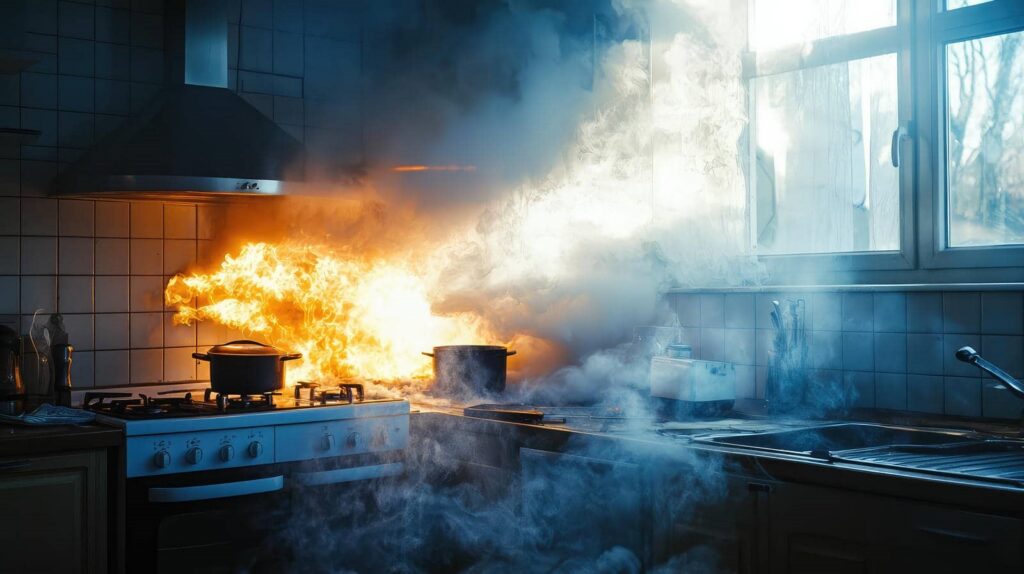
After a fire, smoke damage can pose significant risks to your health and property. You need to prioritize safety and assess structural integrity before starting any smoke and fire cleanup. Ventilation is vital for dissipating odors, and using the right tools is essential to avoid further damage. Understanding the proper steps can make a difference. Let’s explore the important actions you should take immediately following a fire and how to effectively manage smoke damage.
Key Takeaways
- Prioritize personal safety by checking for injuries and evacuating before assessing fire damage.
- Ventilate the area immediately by opening windows and doors to reduce smoke odors.
- Use a HEPA-filter vacuum to gently remove soot from surfaces without rubbing.
- Inspect structural integrity for hazards, consulting professionals for significant damage.
- Document all damage for insurance claims and create a fire escape plan for future safety.
What You Should Know About Smoke and Fire Damage
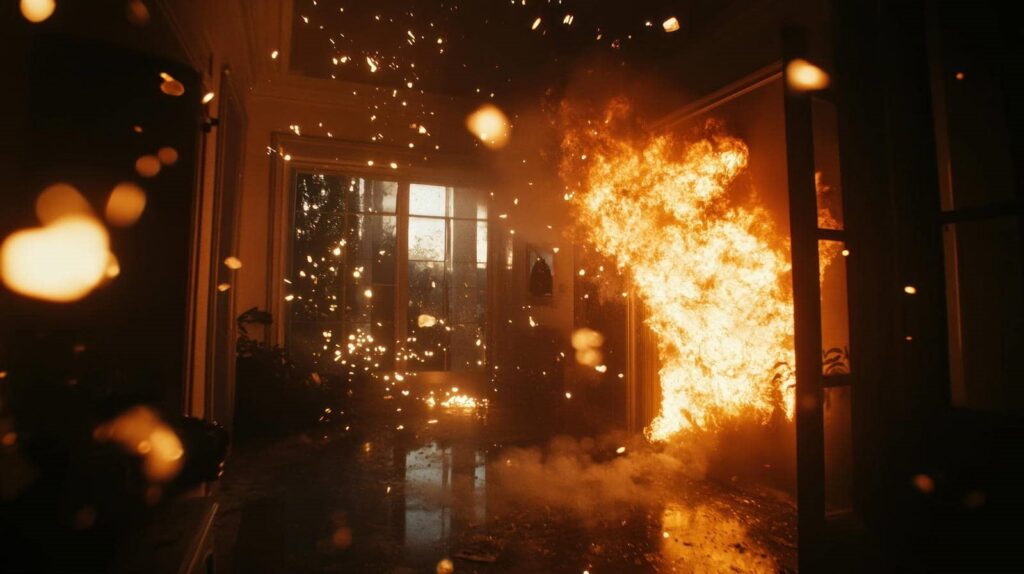
When fire strikes, the damage extends beyond charred structures; smoke can infiltrate every corner of your property, leaving behind harmful residues. Smoke particles are incredibly small and can settle on surfaces, penetrating materials like upholstery and drywall.
This residue not only causes discoloration but can also lead to health issues if not properly addressed. Understanding the nature of fire residue is essential for effective cleanup. It’s often acidic, which can corrode surfaces over time.
To restore your space, you’ll need specialized cleaning techniques and products designed to neutralize and remove these contaminants. Timely action is key to minimizing long-term damage and ensuring a safe environment.
What to Do Immediately After a Fire?
After a fire, your first priority must be personal safety; check for injuries and evacuate the area if necessary.
Contact emergency services immediately to report the incident, ensuring that help is on the way.
Only after confirming safety and notifying authorities should you assess any potential damage.
Ensure Personal Safety First
To ensure your safety after a fire, it’s crucial to assess the situation immediately. Check for any hazards, like smoldering debris or unstable structures, before entering the area.
Always wear personal protective equipment, such as gloves and masks, to shield yourself from smoke and toxic particles. If you’ve evacuated according to your evacuation plans, confirm everyone is accounted for before re-entering.
Don’t rush; approach the area carefully, and listen for any potential dangers. Avoid touching anything until you’re certain it’s safe.
Remember, your safety is the priority. Only once you’ve thoroughly evaluated the environment and taken necessary precautions should you think about cleanup or recovery efforts.
Stay calm, and take measured steps to protect yourself and others.
Contact Emergency Services Promptly
Contact emergency services immediately to report the fire and confirm help is on the way. Dial the appropriate emergency contacts to facilitate a swift response.
When you call, provide clear information about the fire’s location, size, and any immediate dangers, which can greatly affect response time. Stay on the line, following any instructions given by the dispatcher.
If it’s safe, alert neighbors to evacuate, as they may not be aware of the situation. Remember, your quick actions can save lives and property.
Once firefighters arrive, cooperate fully with them, providing any additional details that could assist in their response efforts. Your proactive measures are essential in managing the aftermath and confirming everyone’s safety.
Key Safety Measures to Follow During Cleanup
Before starting cleanup, you must assess the structural safety of the area to avoid potential hazards.
Wearing the right protective gear is essential to shield yourself from smoke and debris.
Prioritize these safety measures to ensure a secure and effective cleanup process.
Assessing Structural Safety
As you begin the cleanup process after a fire, evaluating the structural safety of the building is essential to prevent further hazards.
Conducting a thorough damage assessment will help you determine the structural integrity and identify any risks. Follow these key steps:
- Inspect Load-Bearing Walls: Check for cracks, warping, or any signs of failure.
- Examine the Roof: Look for sagging or missing sections that could collapse.
- Evaluate Floors: Confirm they’re stable and free from excessive damage or shifting.
If you notice any significant issues, don’t hesitate to consult a professional.
Prioritizing these assessments can safeguard everyone involved and help you navigate the cleanup process more effectively.
Protective Gear Essentials
When tackling fire cleanup, wearing the right protective gear is vital to your safety and health. Start with durable protective clothing to shield against soot and debris.
Don safety goggles to protect your eyes from irritants, and use respirator masks to filter harmful particles. Pay attention to gloves selection; choose chemical-resistant gloves for effective protection during cleanup.
Regular gear maintenance is important; inspect your equipment before use to ensure it meets safety standards. Stay aware of hazards and assess ventilation needs to avoid inhaling toxic fumes.
Follow established cleanup protocols for a systematic approach. Keep emergency kits stocked with essential supplies to address any immediate needs during your cleanup efforts.
Your safety is paramount.
How to Remove Smoke Damage Effectively
Removing smoke damage effectively requires a systematic approach. Start by addressing smoke odor and soot removal to restore your space.
Follow these steps for ideal results:
- Ventilation: Open windows and doors to allow fresh air in, helping to dissipate smoke odors.
- Soot Removal: Use a vacuum with a HEPA filter to gently remove soot from surfaces. Avoid rubbing to prevent further damage.
- Cleaning Solutions: Apply specialized smoke damage cleaners on affected areas. Test in inconspicuous spots first to verify compatibility.
When to Hire Professionals for Smoke and Fire Damage Cleanup?
Determining the right time to hire professionals for smoke and fire damage cleanup can greatly impact the restoration process. If the damage is extensive or involves structural elements, it’s essential to call in experts immediately. They possess the specialized equipment and knowledge to handle hazardous materials safely.
Additionally, if you’re filing insurance claims, professional cleanup can ensure that all necessary documentation is completed correctly, protecting your interests. If you’re unsure about the cleanup costs or feel overwhelmed by the scope of the damage, bringing in professionals can provide clarity and peace of mind.
Ultimately, prioritizing a timely response with qualified experts can markedly enhance the restoration process and safeguard your home’s integrity.
Long-Term Repair Solutions for Smoke and Fire Damage
Once the immediate cleanup is addressed, focusing on long-term repair solutions for smoke and fire damage becomes essential.
Implementing effective restoration techniques ensures a safe environment and helps maintain your property’s value.
Here are three key steps to take into account:
- Assess Structural Damage: Examine walls, roofs, and foundations for integrity. Engage professionals if necessary.
- Air Quality Restoration: Use specialized equipment to eliminate lingering smoke odors and improve air quality.
- Document for Insurance Claims: Keep detailed records of damage and restoration efforts to facilitate your insurance claims process.
Preventing Future Smoke and Fire Incidents
To effectively prevent future smoke and fire incidents, you must prioritize fire safety measures throughout your property.
Start by installing smoke alarms on every level and in sleeping areas; regular testing and replacing batteries ensures they function properly.
Create and practice a fire escape plan with your family, so everyone knows what to do in case of an emergency.
Additionally, keep fire extinguishers accessible and maintained, particularly in the kitchen and garage.
Avoid overloading electrical outlets and verify all wiring is up to code.
Regularly inspect heating sources and never leave candles unattended.
Frequently Asked Questions
How Can I Prevent Smoke Odors From Returning After Cleanup?
To prevent smoke odors from returning, use effective odor neutralization techniques like enzymatic cleaners and consider air purification methods, such as HEPA filters or activated carbon, to maintain a fresh environment and enhance indoor air quality.
Will Homeowners Insurance Cover Smoke and Fire Damage?
Think of your homeowners insurance as a safety net; it often covers smoke and fire damage. Start the insurance claim process with a thorough smoke damage assessment to ensure you maximize your recovery and restore your home.
Are There Specific Cleaning Products for Smoke Damage?
Yes, there are specific cleaning products for smoke damage. Use specialized cleaning techniques and deodorizing methods, like enzyme-based cleaners and absorbent powders, to effectively eliminate odors and residue, restoring your home’s environment.
How Long Does It Take to Fully Restore My Home?
Restoring your home after smoke damage can take several weeks to a few months, depending on the restoration timeline and the cleanup process. Factors like severity and size of damage directly influence this duration.
Can I Salvage Personal Items After a Fire?
Yes, you can salvage personal items after a fire. Start by evaluating damage carefully. Focus on salvaging heirlooms first, as they often hold significant sentimental value. Act quickly to enhance recovery chances and minimize further loss.
Wrap-Up
In the wake of smoke and fire damage, your safety is paramount, like a lighthouse guiding you through the storm. By following the outlined steps and knowing when to seek professional help, you can effectively restore your space. Remember, taking preventive measures today can safeguard your home tomorrow. Don’t just recover; fortify your future against potential fires. Stay vigilant, and ensure your environment remains safe and secure for you and your loved ones.