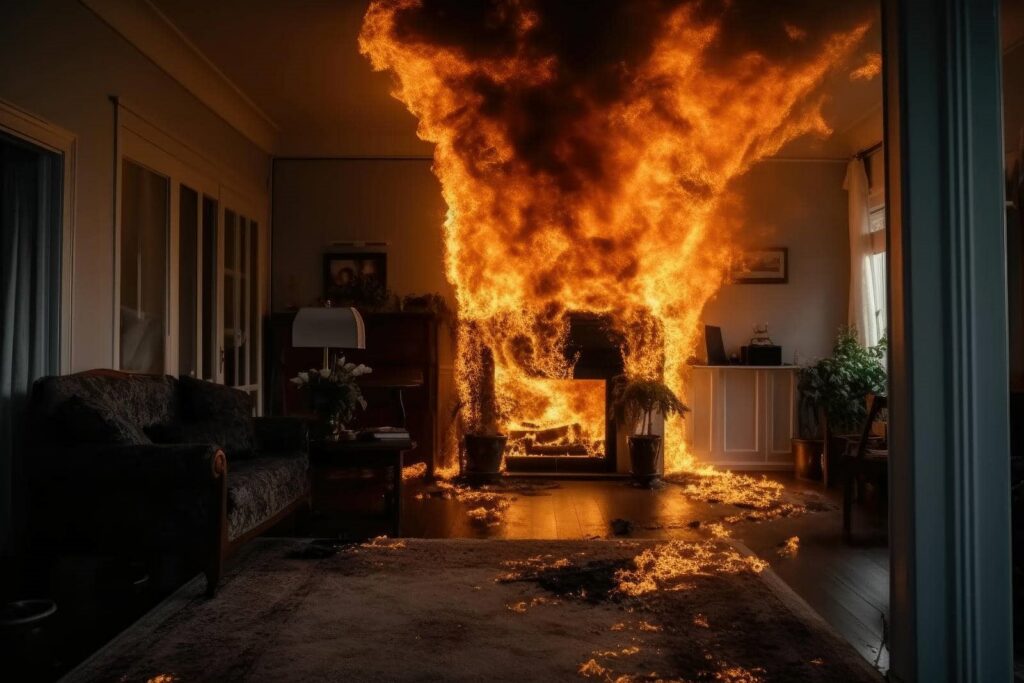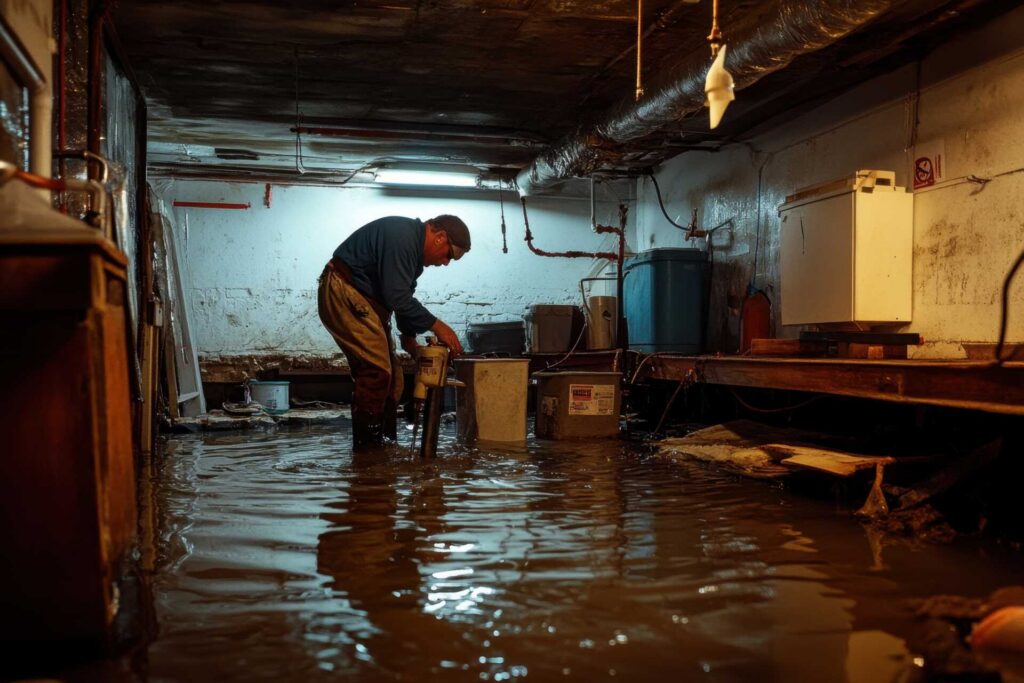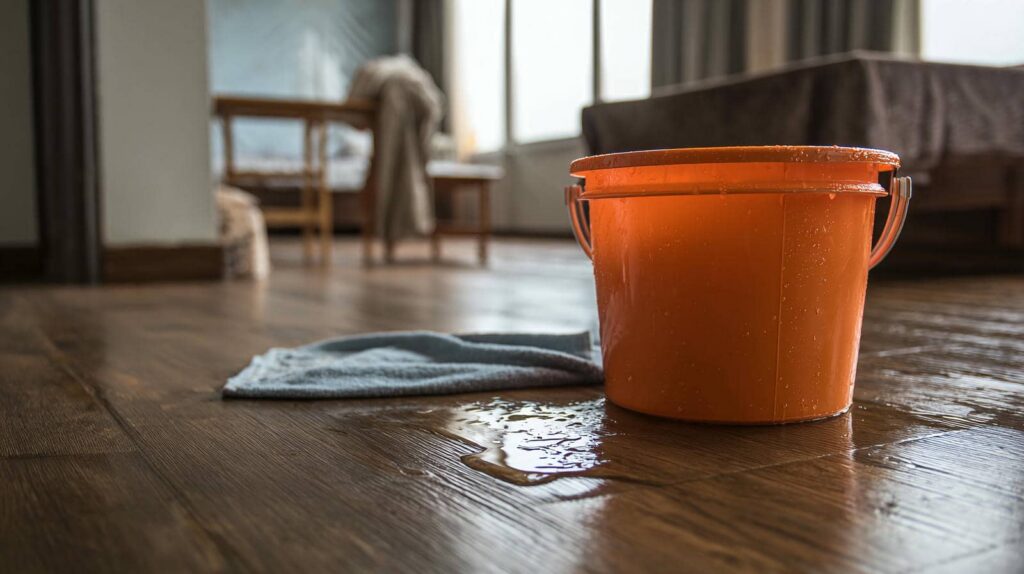
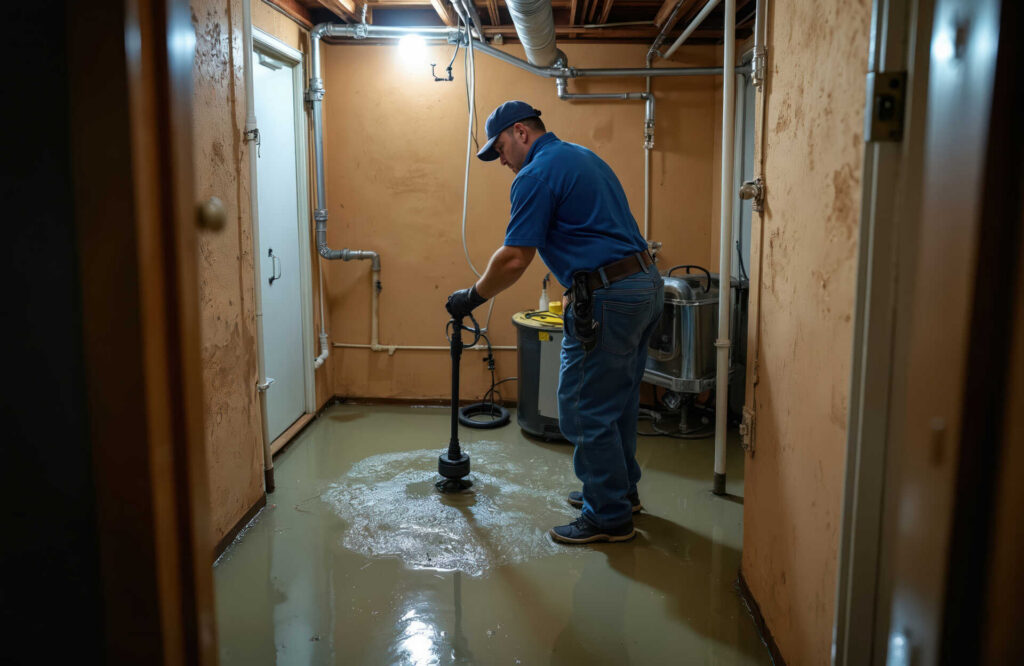
When disaster strikes, are you prepared to tackle water damage effectively? Your immediate response can greatly impact the damage recovery process. By following a structured approach, you can mitigate losses and ensure safety. From evaluating the damage to employing the right tools, each step is vital. Let’s explore the essential techniques and strategies that will guide you through this challenging situation. What you do next could make all the difference.
Key Takeaways
- Immediately turn off electricity and gas supply to ensure safety from hazards during water damage recovery.
- Assess and document the extent of the damage with photos for insurance claims.
- Remove standing water using a wet/dry vacuum or towels, prioritizing safety.
- Utilize industrial fans and dehumidifiers to enhance drying and control moisture levels.
- Wear protective gear, including gloves and goggles, to safeguard against contaminants and hazards.
Causes of Water Damage: What You Need to Know
When you consider the potential for water damage, it’s essential to recognize the common causes that can lead to significant issues in your property.
Leaky pipes often create hidden hazards, while storm damage can overwhelm your home’s defenses.
Faulty appliances, such as dishwashers or washing machines, can cause unexpected flooding.
Basement flooding frequently results from groundwater intrusion or sewage backup, which can pose health risks.
Roof leaks can allow water to infiltrate walls and ceilings, leading to structural damage.
Additionally, appliance malfunctions can exacerbate these problems.
By understanding these causes, you can take proactive measures to protect your home and ensure a safe environment for you and your family.
Awareness is your first line of defense.
Initial Steps to Take After Water Damage Occurs
Experiencing water damage can be overwhelming, but knowing the right actions to take immediately can mitigate further harm.
First, prioritize water safety by turning off the electricity and gas supply to prevent hazards.
Next, assess the extent of the damage; look for pooling water and affected materials. Document everything with photos for insurance purposes.
If it’s safe, try to remove excess water using towels or a wet/dry vacuum. Open windows for ventilation, and if possible, move furniture and valuables to a dry area.
Remember, quick action is essential in minimizing mold growth and structural damage.
Must-Have Tools for Water Damage Recovery
To effectively manage water damage recovery, you need a precise set of tools and equipment.
Start by assembling an essential equipment checklist that includes items like wet vacuums, fans, and moisture meters.
Don’t overlook safety gear requirements, as protective clothing and equipment are vital to safeguard yourself during the recovery process.
Essential Equipment Checklist
A well-prepared toolkit is essential for effective water damage recovery. Start with a high-capacity water extractor; this is vital for rapid water extraction.
Next, invest in industrial-grade dehumidifiers to maintain moisture control and prevent mold growth. You’ll also need wet/dry vacuums for smaller areas and hard-to-reach spots.
Don’t forget moisture meters to accurately assess dampness in walls and floors, guiding your drying efforts. Additionally, have fans on hand to enhance airflow and speed up the drying process.
Finally, include a set of basic tools—like screwdrivers and pliers—for any necessary repairs. Having this essential equipment will empower you to tackle water damage challenges efficiently, ensuring your recovery efforts are thorough and effective.
Safety Gear Requirements
Recovering from water damage demands the right equipment and the appropriate safety gear to protect yourself during the process.
You’ll want to ensure you’re adequately equipped to face potential hazards. Here’s a list of must-have safety gear:
- Protective Clothing: Wear waterproof and durable materials to shield against contaminants.
- Safety Goggles: Protect your eyes from debris and chemicals, ensuring clear visibility.
- Gloves: Use heavy-duty gloves to guard against sharp objects and hazardous substances.
- Respirator Mask: Prevent inhalation of mold spores and harmful fumes during cleanup.
Safely Remove Water From Your Home
To safely remove water from your home, start by gathering essential tools like pumps, wet/dry vacuums, and mops.
Prioritize safety measures, ensuring you wear protective gear and shut off any electrical sources in flooded areas.
With the right equipment and precautions, you can effectively manage water removal and minimize damage.
Gather Essential Tools
When water invades your home, having the right tools at your disposal can make all the difference in a swift and effective recovery.
Gather these essential items to ensure you’re prepared for proper water detection and moisture assessment:
- Wet/Dry Vacuum: Essential for removing standing water quickly and efficiently.
- Moisture Meter: Helps assess moisture levels in walls and floors, preventing hidden damage.
- Dehumidifier: Reduces humidity levels, speeding up the drying process.
- Protective Gear: Includes gloves and masks to keep you safe from contaminants.
Having these tools ready empowers you to tackle the situation head-on and fosters a sense of community as you engage with others in recovery efforts.
Your home deserves the best care during this challenging time.
Prioritize Safety Measures
Before you begin removing water from your home, it’s crucial to prioritize safety measures to protect yourself and your property.
Start by ensuring your emergency supplies are on hand, including gloves, masks, and waterproof boots. Disconnect electrical appliances and avoid stepping into standing water to mitigate the risk of electrocution.
If the flood is severe, consider evacuating until professionals assess the situation. Assess potential hazards like weakened structures or contaminated water.
Maintain communication with family members, ensuring everyone knows the plan.
Techniques for Efficient Drying and Dehumidifying Your Home
Efficiently drying and dehumidifying your home after water damage requires a systematic approach to prevent mold growth and structural deterioration.
Implementing effective air circulation techniques and moisture control strategies is essential. Follow these steps:
- Open windows and doors: Promote natural airflow to help evaporate moisture.
- Use fans: Position industrial fans strategically to enhance air circulation in affected areas.
- Dehumidifiers: Invest in high-capacity dehumidifiers to extract excess moisture from the air.
- Check insulation: Inspect and replace wet insulation, as it can harbor mold and compromise your home’s integrity.
Top Tips for Preventing Future Water Damage
Preventing future water damage requires vigilance and proactive maintenance to safeguard your home.
Start by implementing effective waterproofing solutions in your basement and crawl spaces. Seal cracks and gaps in your foundation to block moisture ingress.
Regularly inspect and maintain your home’s drainage systems; clear gutters and downspouts to ensure proper water flow away from your foundation. Consider installing a sump pump if you live in an area prone to flooding.
Additionally, monitor your plumbing for leaks, and replace old hoses or fixtures.
Finally, make sure your landscaping slopes away from your home to redirect rainwater.
When to Call in Professional Restoration Services
If you notice significant water damage in your home, it’s important to act quickly and assess whether you need professional restoration services.
An emergency response is vital, especially when you identify the following:
- Extensive damage: If water has saturated walls, flooring, or ceilings.
- Mold growth: Any signs of mold or mildew indicate a need for immediate action.
- Structural issues: Cracks or warping in your home’s structure require a professional assessment.
- Electrical hazards: If water has come into contact with electrical systems, safety is paramount.
Don’t underestimate the importance of expert help.
It ensures thorough recovery and restores your sense of security and belonging in your home.
Frequently Asked Questions
How Can I Tell if My Insurance Covers Water Damage?
To determine if your insurance covers water damage, review your policy limits, check for coverage exclusions, and understand the claim process. Different water types can affect coverage, so clarify specifics with your insurer.
What Are the Health Risks Associated With Water Damage?
Water damage poses serious health risks, including mold exposure leading to respiratory issues. It compromises structural integrity, increasing contamination risks. Addressing these hazards promptly ensures a safer environment for you and those around you.
How Long Should I Wait Before Starting Repairs?
You should wait 24 to 48 hours after water removal before starting repairs. During this time, employ drying techniques to ensure the area is completely dry, preventing mold growth and further damage to your property.
Can I Handle Water Damage Recovery Myself?
Yes, you can handle water damage recovery yourself. Start with a thorough damage assessment, then gather necessary equipment for water extraction. Follow safety precautions and incorporate DIY repairs and prevention tips for effective restoration.
What Should I Do if Mold Develops After Water Damage?
If mold develops after water damage, act quickly—like racing against time. Implement mold prevention strategies, such as proper ventilation, and use remediation techniques to safely remove it. Your home deserves a healthy environment.
Final Thoughts
Promptly preparing for potential plumbing problems and participating in proactive prevention can protect your property from perilous water damage. By following these detailed steps and utilizing the right tools, you can effectively manage minor mishaps and mitigate major mayhem. Stay vigilant, safeguard your space, and summon specialists when situations spiral beyond your control. With diligence and determination, you’ll defend against disaster and maintain a dry, delightful dwelling.